Considering installing solar panels and wondering about the available options? Let us introduce you to the hybrid solar panel. This technology, which combines electricity and heat production, could be the ideal solution to optimize your energy consumption and reduce your bills. Discover how this unique module can transform your home.
Key Takeaways
- The hybrid solar panel simultaneously produces electricity and heat, unlike photovoltaic panels (electricity only) or thermal panels (heat only).
- It optimizes the use of your roof by combining two functions on the same surface, which improves overall efficiency compared to separate installations.
- By recovering heat, the hybrid panel helps cool the photovoltaic cells, thereby improving their electrical efficiency.
- This technology reduces your dependence on fossil fuels and saves you money on your hot water and heating bills.
- Installing a hybrid solar panel requires a personalized study, but its maintenance remains similar to that of a conventional photovoltaic panel.
Understanding How Hybrid Solar Panels Work
Definition and Operating Principle
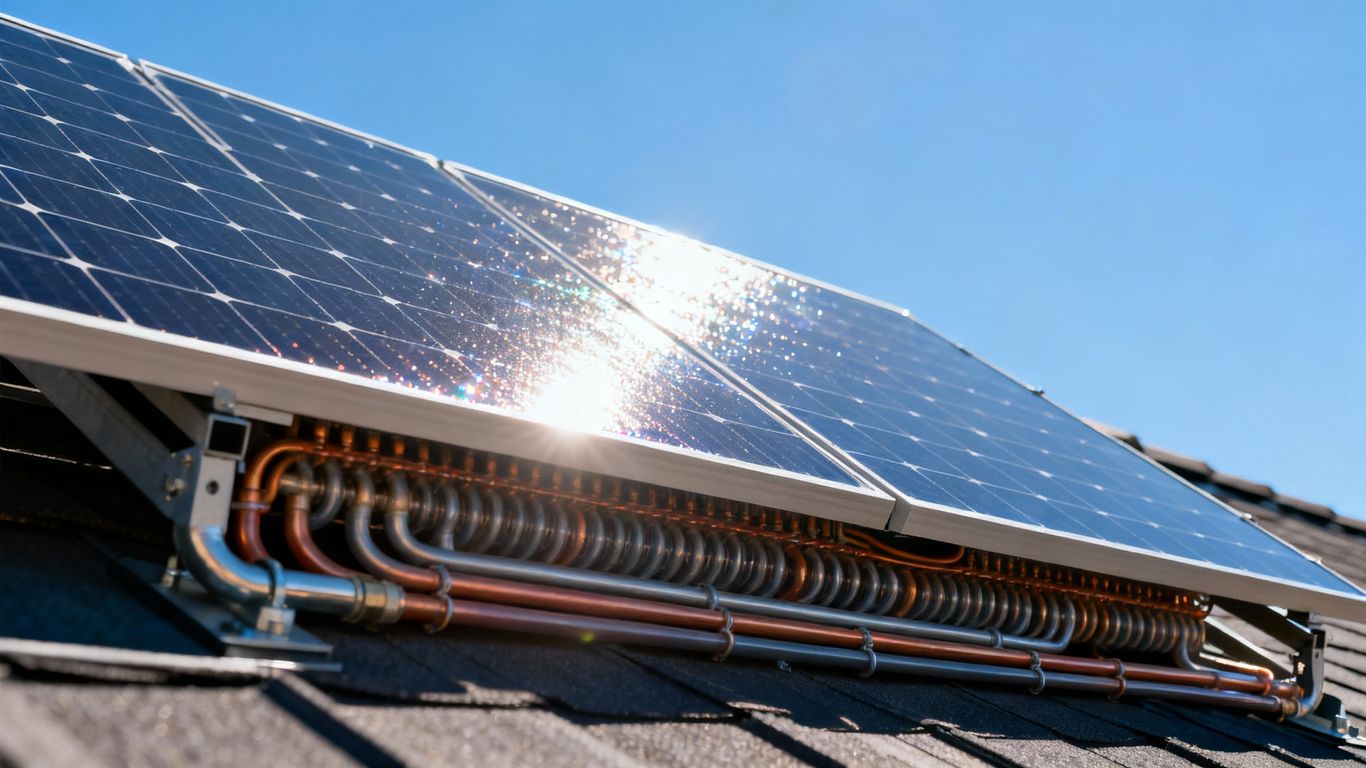
A hybrid solar panel, sometimes called a PVT panel (for Photovoltaic-Thermal), is an ingenious technology that combines two essential functions in a single module: electricity production and heat production. Unlike conventional photovoltaic panels that focus solely on generating electricity from sunlight, or thermal panels that convert solar energy into heat to warm water, the hybrid panel does both. It is essentially a photovoltaic panel with a heat exchanger added to the back. This exchanger recovers the heat produced by the photovoltaic cells, heat that would otherwise be lost and could even reduce the panel’s electrical efficiency in hot weather.
The Synergy Between Photovoltaic and Thermal Technologies
The operation relies on intelligent synergy. The top surface of the panel is equipped with photovoltaic cells, usually silicon-based, which capture sunlight and convert it into direct current. However, a significant portion of the absorbed solar energy, often between 70% and 80%, is converted into heat. This is where the thermal part comes in. A heat transfer fluid (often a mixture of water and glycol) circulates through a network of exchangers located just behind the cells. This fluid absorbs the heat generated by the photovoltaic cells. This heat recovery process not only produces domestic hot water or contributes to heating but also keeps the photovoltaic cells at a lower temperature, thereby improving their electrical efficiency.
Valorizing Residual Heat
The heat that is normally dissipated by conventional photovoltaic panels is actively recovered here. This residual heat, once captured by the heat transfer fluid, can be used in several ways. It can be directed to a storage tank for domestic hot water, or injected into a central heating system such as underfloor heating or a radiator network. In some cases, this heat can even be used to preheat the air entering a building, offering an additional thermal comfort solution. The goal is to maximize the value of the captured solar energy, transforming what was previously a loss into a useful resource.
Advantages of Hybrid Solar Panels
Optimizing Installation Surface Area
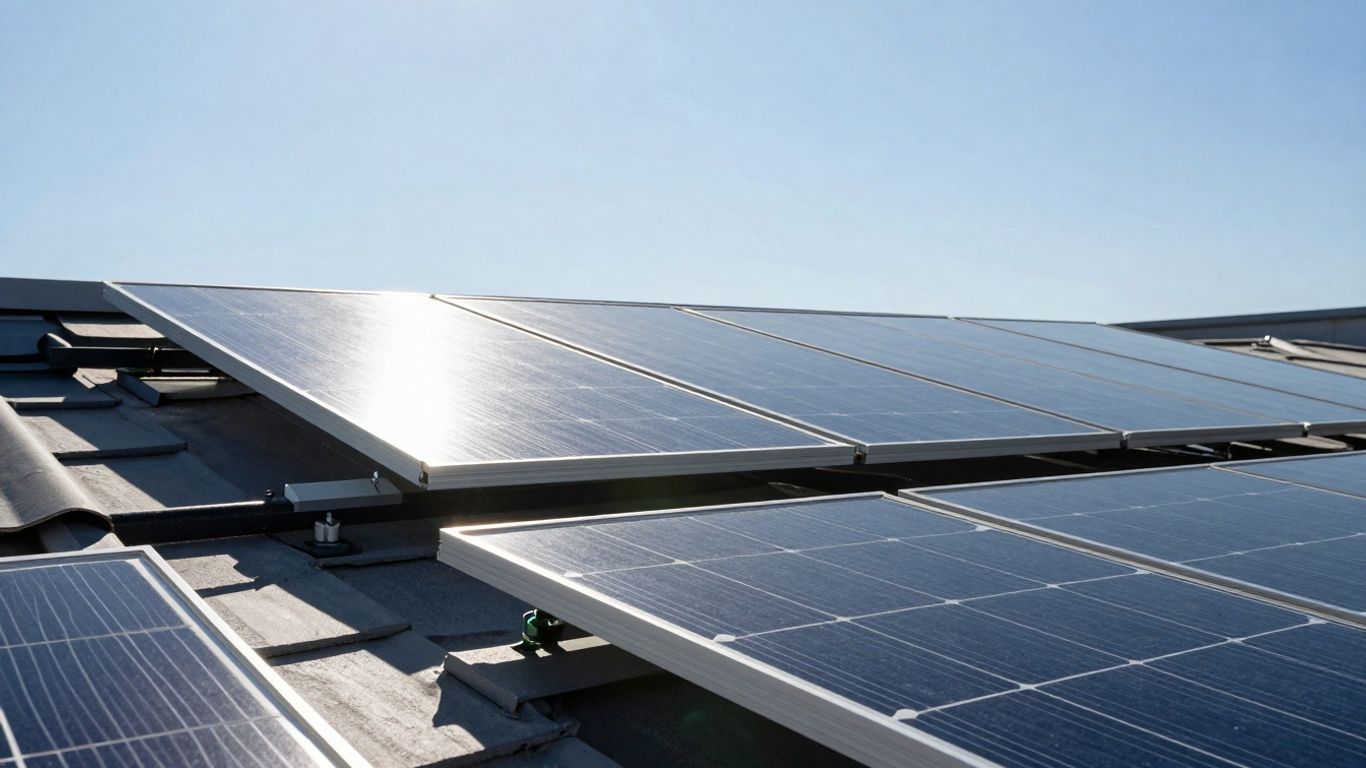
One of the major advantages of hybrid solar panels lies in their ability to combine two essential functions in a single module: electricity production and heat production. This means that for a given surface area, you get a double energy output. This is particularly interesting if your roof space is limited. You can thus maximize energy production on every available square meter, which is excellent news for homes with a small usable area.
Improving Photovoltaic Efficiency
You might think that adding a thermal function would complicate things, but it’s quite the opposite! By recovering the heat generated by the photovoltaic cells, the hybrid panel helps cool them down. Photovoltaic cells perform better when they are at a lower temperature. This passive cooling helps maintain a more stable electrical output, even on hot days when standard panels tend to lose efficiency. It is estimated that this cooling effect can improve electrical efficiency by 5% to 15% compared to a standard photovoltaic panel.
Reducing Energy Dependence
By producing both electricity and heat, hybrid solar panels allow you to cover a larger portion of your energy needs. This translates into less dependence on traditional energy suppliers and their price fluctuations. You self-consume a greater part of the energy you produce, which is beneficial for your budget and for the environment. It’s a concrete step towards greater energy autonomy.
Here are some key points illustrating these benefits:
- Dual Energy Production: Electricity and heat within the same module.
- Better Performance in Hot Weather: The heat recovery system cools the PV cells.
- Optimized Space Utilization: Ideal for small roofs.
- Contribution to Energy Autonomy: Less reliance on fossil fuels.
The integration of a hybrid solar panel represents an intelligent solution for those seeking to maximize their renewable energy production while optimizing available space. The synergy between photovoltaic and thermal functions provides a tangible benefit in terms of both efficiency and reduced energy dependence.
Performance and Efficiency of Hybrid Modules
Measuring Electrical and Thermal Efficiency
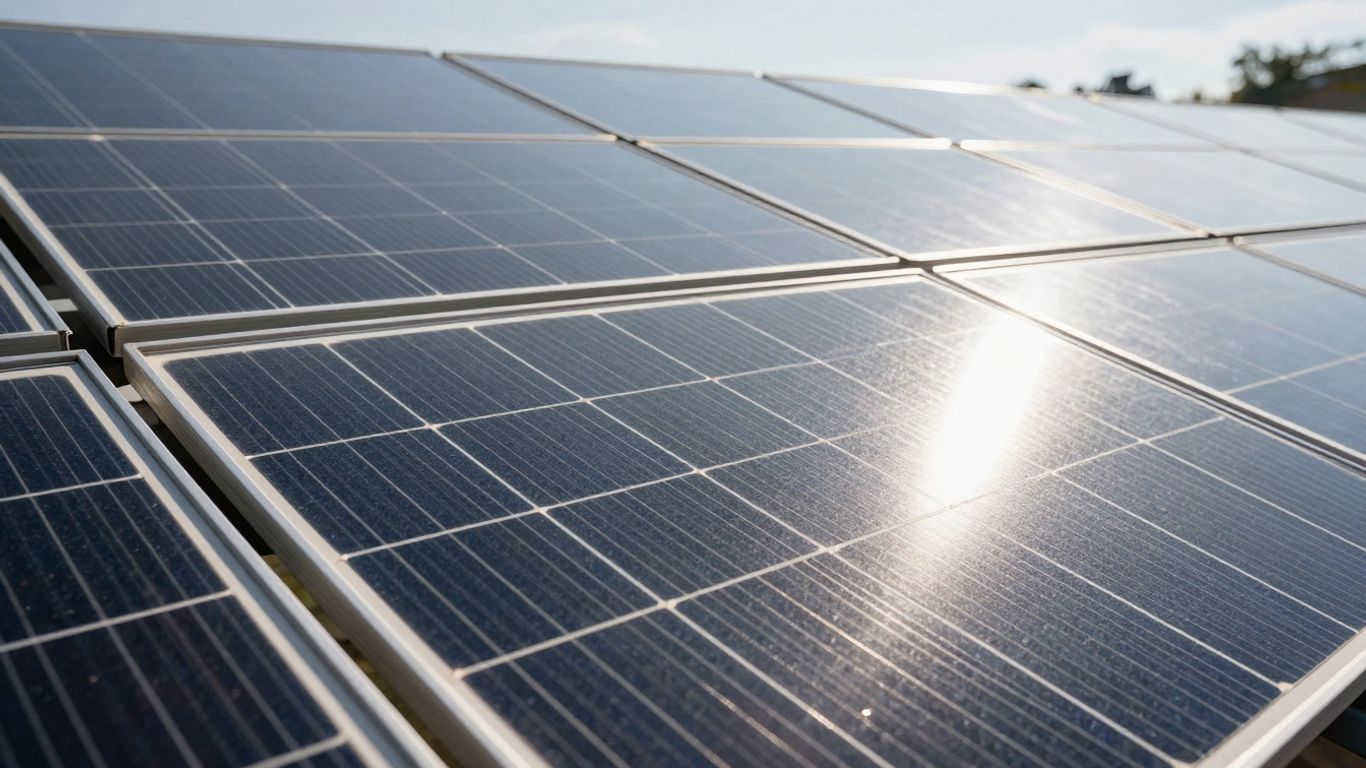
When we talk about performance for a hybrid solar panel, we need to consider two things: the electricity it produces and the heat it captures. It’s a bit like having two devices in one, but they work together.
For electricity, the efficiency is often comparable, or even slightly better, than that of a purely photovoltaic panel. Why? Because the heat that is recovered helps cool the cells. The less they heat up, the better they convert light into electricity. It’s an unexpected beneficial effect.
The thermal part depends heavily on the sun, the season, and how you use this heat (for hot water, heating…). Some installations achieve an overall efficiency (electricity + heat) that can exceed 60%. This is much more than conventional panels, which are around 18-22% for electricity alone.
Comparison with Conventional Photovoltaic Panels
So, how does it compare? Hybrid panels have a clear advantage: they do two things at once. Imagine you have a small roof. With hybrid panels, you can produce as much electricity as with conventional panels, and in addition, you recover heat. This is a really interesting space optimization.
Furthermore, as we’ve seen, recovering heat improves electrical efficiency. So, even if the initial investment may be a bit higher, the return on investment can be faster because you save on two fronts: your electricity bill and your hot water needs.
Energy Savings Potential
The savings potential is definitely there. By producing both electricity and heat, you reduce your dependence on grid energy. It’s a way to become more self-sufficient and do your part for the planet.
The main advantage of a hybrid panel lies in its ability to utilize a greater portion of the received solar energy. Instead of letting heat escape and potentially reduce electrical efficiency, it is captured and used, which increases the overall system efficiency.
Here’s a small table to visualize:
| Panel Type | Electrical Efficiency (typical) | Thermal Production | Overall Efficiency (estimated) |
|---|---|---|---|
| Conventional Photovoltaic | 18-22 % | None | 18-22 % |
| Hybrid (PV + Thermal) | 15-20 % (electrical) | Significant | > 60 % (combined) |
It should be noted that the electrical efficiency of a hybrid panel may be slightly lower than that of a standalone PV panel, as some energy is converted into heat. But it is the combination of both that makes all the difference in terms of overall energy savings.
Applications and Uses of Hybrid Solar Panels
Domestic Hot Water and Heating Production
The hybrid solar panel stands out for its ability to meet two fundamental energy needs of your home: electricity and heat. Thanks to its dual technology, it produces electricity via its photovoltaic cells and recovers residual heat to warm a heat transfer fluid. This fluid can then be used for your domestic hot water (DHW) production or to power your central heating system. This is an all-in-one solution that is particularly relevant for reducing your dependence on fossil fuels.
- Hot Water Production: The fluid heated by the panel can directly supply a hot water storage tank. This system can cover a significant portion, if not all, of your hot water needs, depending on the size of the installation and your consumption.
- Heating Support: The heat produced can also be injected into your central heating circuit, whether it consists of radiators or underfloor heating. The hybrid panel then acts as a supplement, reducing the load on your main heating system.
Residential and Commercial Self-Consumption
One of the major advantages of hybrid solar panels lies in their potential for self-consumption. By producing the electricity and heat you need locally, you reduce your reliance on the public grid and achieve substantial savings on your bills. This approach is equally relevant for individuals and professionals.
Integrating hybrid solar panels into your building maximizes the use of solar energy. By producing both electricity and heat on the same surface, you optimize available space while increasing your energy independence. It is a concrete step towards more responsible and economical consumption.
Compatibility with Existing Heating Systems
Installing hybrid solar panels does not always require a complete replacement of your current heating system. These modules are designed to integrate harmoniously with various existing configurations. Whether you have a heat pump, a condensing boiler, or a wood heating system, the hybrid panel can provide support to improve the overall efficiency of your installation. The connection is usually made via a heat exchanger that transfers the captured heat to your heating circuit or your hot water tank. This flexibility makes the transition to greener energy more accessible. You can thus benefit from solar production without completely overhauling your current thermal system, which is a significant advantage for optimizing your energy production.
Technologies and Innovations in Hybrid Solar Panels
Evolution of Photovoltaic Cells and Heat Exchangers
Hybrid solar panels, also known as PVT (photovoltaic-thermal), are constantly advancing thanks to technological progress. The photovoltaic cells themselves are improving, becoming more efficient at converting sunlight into electricity. For example, we see the integration of higher-performance cells, such as monocrystalline ones, which better capture solar radiation. At the same time, the heat exchangers, which recover heat from behind the cells, are designed with materials that conduct heat better, such as aluminum or copper. The insulation around these exchangers is also reinforced to limit heat loss. These two aspects work hand in hand to maximize energy production, whether electrical or thermal.
Smart Control Systems
To ensure optimal performance, smart control systems are increasingly integrated. These systems manage the panel to produce optimally. For example, they can activate or deactivate the heat recovery circuit based on your actual needs for hot water or heating. Some models even include frost protection or automatic bleeding systems to operate without issues, regardless of the weather. It’s like having an orchestra conductor for your solar panel.
Distinction Between Aerovoltaic and Hydraulic Panels
It is important to know that there are different types of hybrid panel technologies. Aerovoltaic panels recover heat from the ambient air, while hydraulic panels (or PVT with water) use a heat transfer fluid (often water or a water/glycol mixture) that circulates in the heat exchanger. This fluid then transports the heat to a storage tank or your heating system. The choice between these two types will depend on your specific needs and your existing installation.
Hybrid solar panels represent a logical evolution in the field of renewable energy, combining two essential functions for better energy efficiency and optimized roof space. Continuous innovations in materials and control systems promise even higher performance in the future.
Installation and Maintenance of Hybrid Solar Panels
Project Diagnosis and Sizing
Before embarking on the installation of hybrid solar panels, a preliminary step is essential: conducting a precise diagnosis of your energy needs. This involves accurately assessing the electricity and heat consumption of your home or building. This analysis then allows for correct system sizing. A system that is too small will not meet your needs, while an oversized system could lead to unnecessary costs and unutilized energy production. You also need to consider the available roof space, its orientation and tilt, as well as the level of sunshine in your region. A personalized study by a professional is the key to a successful installation.
Integration Scheme and Connection
Integrating a hybrid solar panel into your home involves several connections. The electrical circuit is connected to your domestic network, potentially with a battery to store the produced electricity. The thermal circuit, on the other hand, is connected to your existing heating system, such as a hot water storage tank, underfloor heating, or a radiator network. The physical installation of the panels on the roof is similar to that of conventional photovoltaic modules, but it requires the addition of piping for the heat transfer fluid. It is important to ensure that the installer is proficient in both the electrical and plumbing aspects related to these systems. You can find qualified professionals to assist you with this project through an installer network.
Preventive Maintenance for Increased Longevity
The maintenance of hybrid solar panels is relatively simple and moderate. The photovoltaic part requires periodic cleaning of the surface to remove dust and dirt that could reduce solar capture. For the thermal part, an annual check of the circuit’s tightness and proper fluid circulation is recommended. This operation is generally not very demanding. Manufacturers often offer performance guarantees for the electrical output and the lifespan of the thermal components, which attests to the robustness of these systems. Regular monitoring ensures that the system operates optimally and prevents potential malfunctions, thus guaranteeing consistent long-term energy production.
Comparative Analysis of Solar Solutions
Initial Investment Cost
When looking at the purchase price, hybrid solar panels may seem more expensive at first glance than conventional photovoltaic panels or thermal panels alone. You should expect to pay on average between €1300 and €1800 per square meter for a water-based hybrid panel, compared to €1000 to €1400 for an air-based hybrid panel, and €1400 to €1900 for a combination of separate photovoltaic and thermal panels. This difference is due to the more complex technology that integrates two functions into a single module. However, it is important not to stop at this initial figure.
Long-Term Economic Benefits
The main advantage of hybrid panels lies in their long-term profitability. By producing both electricity and heat, they allow for savings on two energy expense items. It is estimated that the overall efficiency of a hybrid panel can be 5% to 15% higher than that of a standard photovoltaic panel, thanks to the cooling effect provided by heat recovery. Furthermore, by optimizing the use of your roof space, you maximize your energy production. This dual production translates into a faster return on investment compared to installing two separate systems. The savings on your electricity and hot water bills accumulate, making the initial investment more justifiable in the long run.
Positioning Against Photovoltaic and Thermal Panels
Choosing between a hybrid panel, a standalone photovoltaic panel, or a standalone thermal panel depends on your specific needs and situation. Photovoltaic panels are ideal if your main goal is electricity production. Thermal panels, on the other hand, excel at producing domestic hot water or heating. The hybrid panel positions itself as an all-in-one solution, particularly relevant for limited roof spaces where every square meter counts. It offers an interesting synergy, as the recovered heat helps cool the photovoltaic cells, thereby improving their electrical efficiency, especially in hot weather. Here is a table to help you visualize the differences:
| Criterion | Water PVT | Air PVT | PV + DHW System |
|---|---|---|---|
| Electrical Efficiency | 18–22 % | 16–17 % | 15–20 % |
| Thermal Efficiency | 35–55 % | 25–40 % | 70–90 % |
| Space Required | Low | Low | High |
| Cost per m² | €1300–€1800 | €1000–€1400 | €1400–€1900 |
Water-based hybrid panels are often considered the most complete solution, especially in new construction or deep energy renovation projects. They integrate well with low-temperature heating systems and hot water production. The system combining photovoltaic panels and a solar water heater (DHW system) may seem more thermally efficient, but it requires double the installation space and increased complexity.
A Doubly Promising Energy Future
In summary, the hybrid solar panel represents a significant advancement for those seeking to optimize their energy production. You’ve seen how it combines electricity and heat production in a single module, which is quite clever. This not only allows for better use of your roof space but also improves overall efficiency compared to separate systems. If you are considering installing solar panels, it is wise to consider this all-in-one option. It could well help you further reduce your energy bills and your environmental impact. Think about it, it’s a solution with a bright future.
Frequently Asked Questions
What is a hybrid solar panel and how does it work?
A hybrid solar panel is like having two panels in one! It uses sunlight to make electricity, like a regular panel. But it also recovers the heat that the sun produces, which usually reduces the efficiency of the electric panel. This heat can then be used to heat your water or your home.
Is this type of panel more efficient than a normal panel?
Yes, often! Since the hybrid panel recovers heat, it stays cooler. Cooler cells produce electricity better. Plus, you produce heat at the same time. So, on the same surface, you get two useful energies, which makes it more efficient overall.
Can I use the heat produced to heat my house?
Absolutely! The heat captured by the thermal part of the panel can be used to heat your shower or bath water, or even to help heat your home, for example by preheating the water that goes into your radiators or underfloor heating. It’s an excellent way to reduce your heating energy consumption.
Is the installation complicated?
The installation requires a bit more work than a simple electric panel because you also need to manage the heat circuit. You need a professional to ensure everything is properly connected, both for electricity and for the heat piping. But once installed, it’s a very practical system.
How much does a hybrid solar panel cost compared to a conventional panel?
Generally, a hybrid panel costs a bit more to purchase than a panel that only produces electricity. This is because there are two technologies in the same product. However, in the long run, the savings achieved through the production of both electricity AND heat can offset this extra cost.
Does this type of panel require a lot of maintenance?
Maintenance is quite simple. You mainly need to remember to clean the panel surface from time to time so it can capture sunlight effectively. The part that manages the heat requires an annual check, but it’s generally not very complicated. It’s a system designed to last a long time.