Considering installing a new solar panel at your home? It’s an excellent idea to reduce your electricity bill and participate in the energy transition. This article guides you through the promises of these new devices, their potential limitations, and how to acquire them. We will explore together what the market offers today.
Key Takeaways
- The market for new solar panels, also called ‘solar stations,’ is rapidly developing with products designed for simple, often ‘plug and play’ installation.
- Installing a new solar panel is generally accessible to everyone, but certain rules must be followed, particularly regarding maximum power and the electrical compliance of your home.
- The performance of a new solar panel depends on its exposure, but modern systems offer tools to monitor your production and understand its impact.
- Advantages include simplicity and the satisfaction of producing your own energy, but disadvantages can relate to the space required and regulatory constraints.
- Warranties on new solar panels are often long, and while the investment cost is real, aid may be available for individuals, making the project financially attractive.
The Market for New Solar Panels
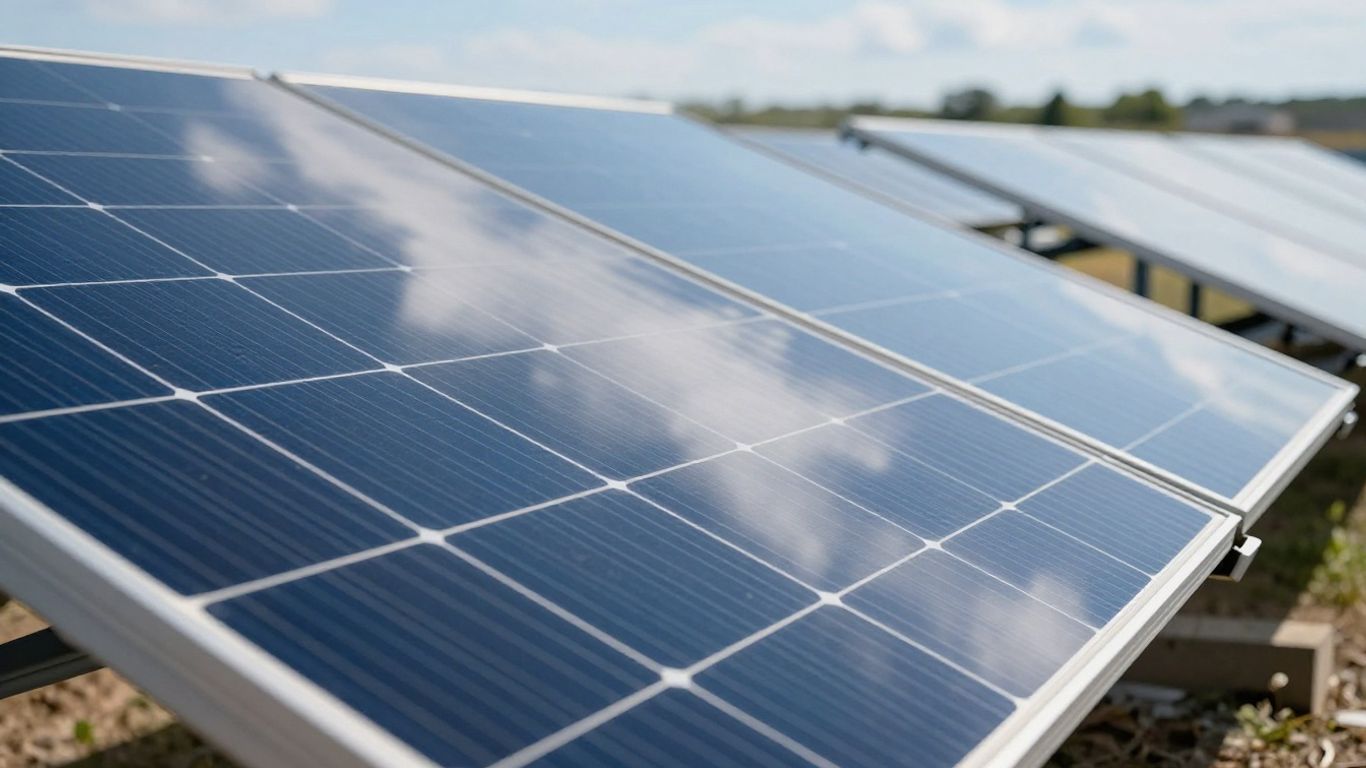
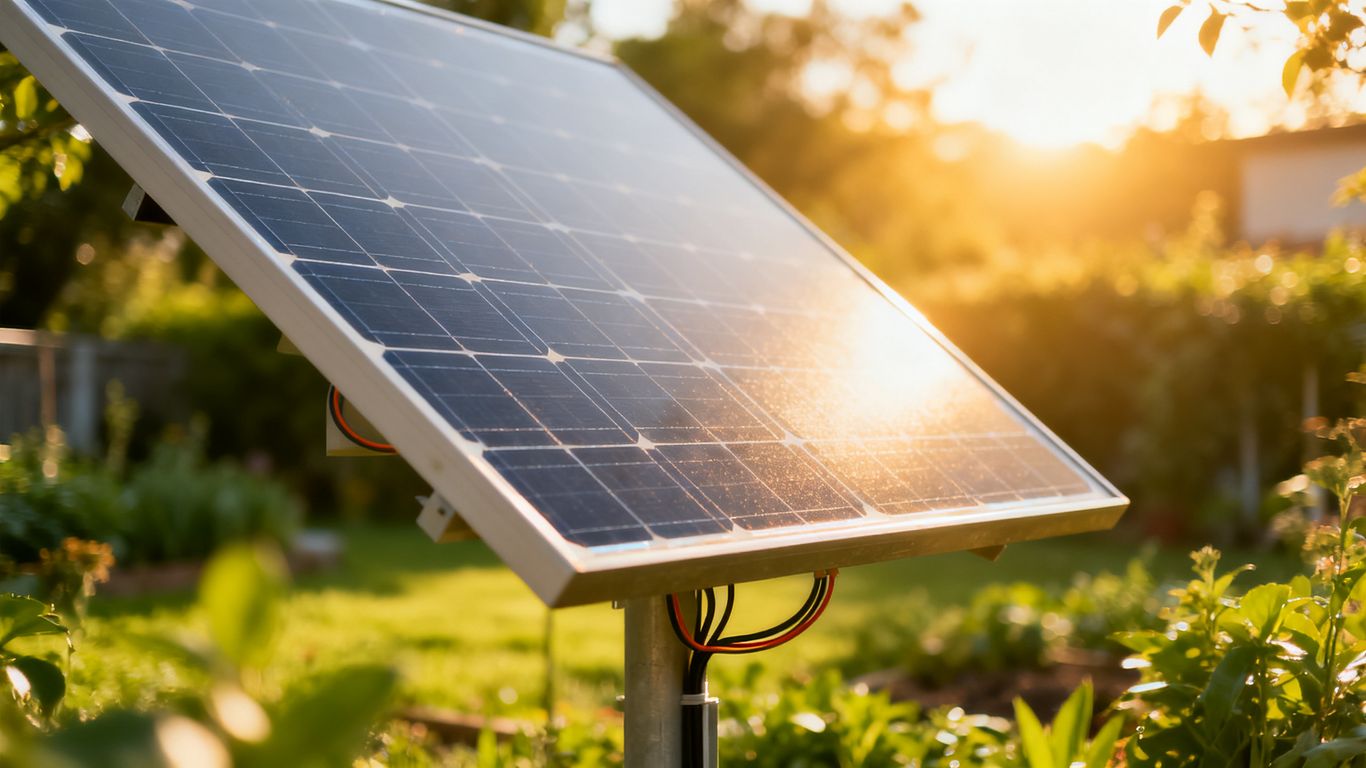
The market for so-called « plug and play » solar panels, or solar stations, is evolving rapidly. These systems aim to simplify access to renewable electricity production for the general public. They are distinguished by their ease of installation, plugging directly into a standard wall socket. This approach democratizes self-consumption, even for those without technical skills.