Here are the key takeaways regarding solar energy production without direct sunlight:
Key Takeaways
- Solar panels work thanks to light, not just direct sunlight. Diffuse light is sufficient to produce electricity.
- On cloudy, overcast, rainy, or winter days, electricity production is reduced but not zero.
- Choosing quality panels, such as monocrystalline or bifacial ones, optimizes production in low light conditions.
- Solar batteries and virtual storage are essential for using the energy produced when the sun isn’t out.
- Future technologies, like panels that work at night or in the rain, are under development.
Understanding How Solar Panels Work Without Direct Sunlight
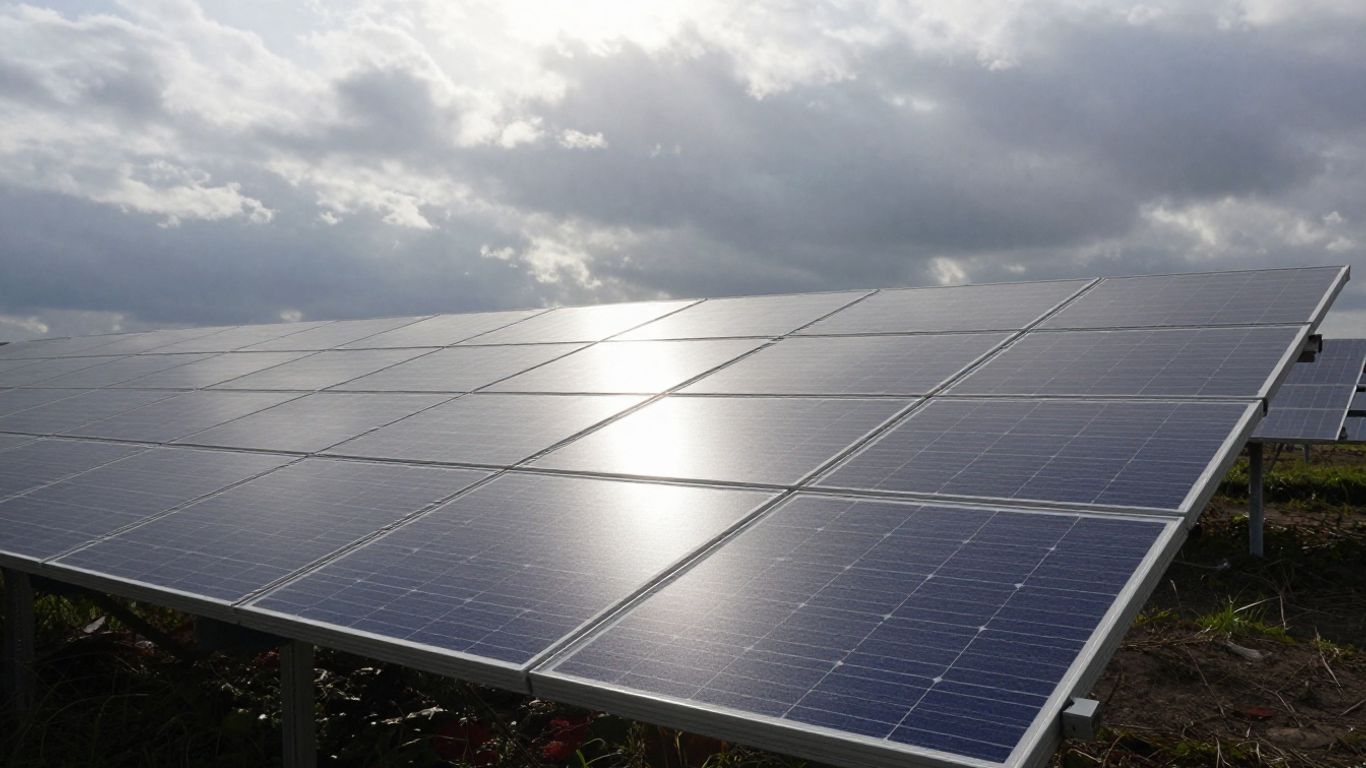
It’s common to think that solar panels need bright sunlight to function. However, the reality is a bit more nuanced. Photovoltaic panels don’t directly capture the sun’s heat, but rather its light energy. This means they can produce electricity even when the sun isn’t directly visible.
The Role of Light in Photovoltaic Electricity Production
The basic principle of a solar panel relies on the photovoltaic effect. When light, regardless of its intensity, strikes the silicon cells that make up the panel, it releases electrons. These moving electrons create a direct electric current. Therefore, it is light, not the sun’s heat, that drives electricity production. Even on overcast days, ambient light, though diffuse, is sufficient to trigger this process. The amount of electricity produced will naturally be less than in direct sunlight, but it will not be zero.
Why Solar Panels Capture Light, Not the Sun
Photovoltaic cells are designed to interact with photons, the particles of light. Silicon, the semiconductor material used in most panels, has the property of releasing electrons when exposed to these photons. The sun is an intense light source, but that’s not its only characteristic. The heat it emits is not directly used by the cells to produce electricity. This is why, even if the sun is veiled by clouds, the light that passes through these clouds can still activate the solar cells. Diffuse light is therefore entirely usable.
The Impact of Light Diffusion on Production
When the sky is overcast, sunlight is diffused by clouds and atmospheric particles. This diffuse light reaches the solar panels, but with reduced intensity compared to direct radiation. Consequently, electricity production decreases. However, modern technologies allow for the optimization of this diffuse light capture. Good quality panels, such as monocrystalline cells, are often more efficient in these low-light or irregular radiation conditions. It’s important to note that even reduced production can be significant over time, especially if the installation is well-sized and maintained.
Here’s an overview of expected production based on light conditions:
| Weather Condition | Estimated Production (compared to full sun) |
|---|---|
| Full Sun | 100% |
| Slightly Cloudy Sky | 70-90% |
| Very Cloudy Sky | 20-50% |
| Diffuse Light (dawn/dusk) | 10-25% |
It is therefore entirely possible to expect electricity production, even without direct sunlight. The key lies in understanding these phenomena and choosing an installation suited to your environment. For a more comprehensive view of performance, it’s useful to consider solutions like vertical solar panels which can capture light differently.
Weather Conditions Affecting Solar Production
Even when the sun is shining brightly, other weather elements play a role in the performance of your solar panels. It’s important to understand how these conditions can influence the amount of electricity you produce.
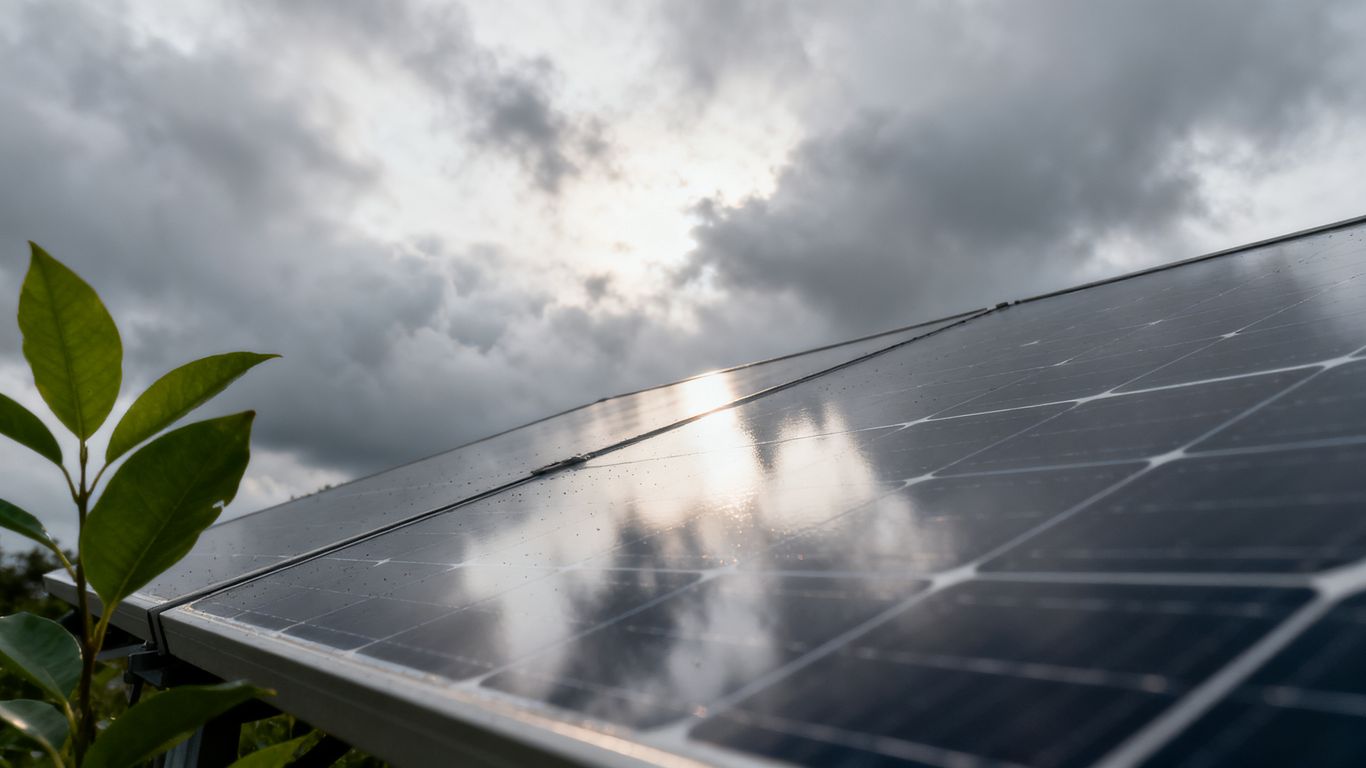
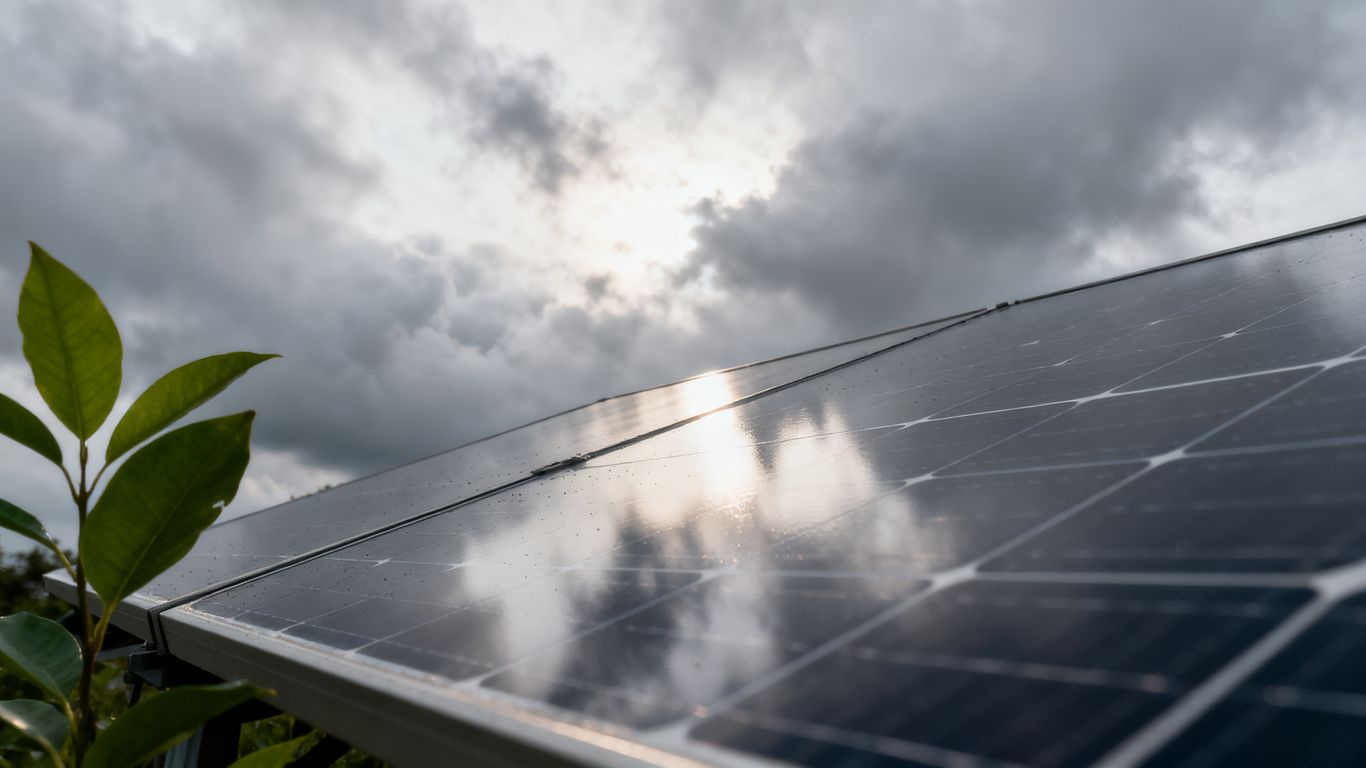
Contrary to popular belief, solar panels do not stop producing electricity when the sky is overcast. They capture ambient light, also known as diffuse light, which manages to pass through the clouds. Of course, the intensity of this production will be lower than in direct sunlight. Modern photovoltaic cells are designed to optimize this diffuse light capture, meaning that even on gray days, you continue to generate energy. Efficiency may drop, but it never reaches zero.
The Influence of Rain and Snow on Solar Panels
Rain, while reducing direct light intensity, has an unexpected beneficial effect: it cleans your panels. This natural washing action removes dust and debris that could accumulate and hinder light capture. Thus, after a shower, your panels may regain increased efficiency. Snow, on the other hand, can be a problem if it completely covers the panels, blocking all production. However, once the snow melts or is removed, it can even reflect light towards the panels, potentially increasing their yield. It is therefore advisable to check the condition of your panels after significant snowfall.
Solar Panel Efficiency in Winter
Winter is often synonymous with reduced solar production, mainly due to shorter daylight hours and the lower angle of the sun. However, it’s interesting to note that cold can, to some extent, improve the efficiency of photovoltaic cells. Semiconductor materials perform better at low temperatures, which can partially compensate for the decrease in light. Therefore, all factors must be considered. A well-designed installation, with an inclination adapted to the seasons, can thus maintain appreciable production even during the coldest months. Consider optimizing your panel’s tilt for the winter months.
It is essential not to rely solely on the day’s weather to assess the potential of your solar installation. Annual production is the result of a complex combination of factors, including average sunshine, orientation, tilt, and long-term weather conditions. Solar panels are designed to operate in a wide range of conditions, and technologies are constantly evolving to improve their performance in low light or adverse weather.
Technologies and Optimizations for Increased Solar Production
Even when the sun isn’t shining directly, several technologies and strategies can improve the electricity production of your solar panels. It’s not just about choosing the right equipment, but also understanding how it interacts with ambient light.
Choosing Quality Equipment for Low Light Conditions
For regions or periods where light is naturally low, opting for high-quality panels makes a real difference. Modern semiconductor cells are designed to capture diffuse light more effectively. The panel’s peak power is also an important factor: the higher it is, the more energy the panel will produce, even in suboptimal sunshine conditions. It is therefore wise to equip yourself with recent equipment, as technologies evolve rapidly and older panels may be less efficient.
The Advantages of Bifacial Solar Panels
Bifacial solar panels represent an interesting advancement. Unlike traditional panels that only capture light from their front side, bifacial panels can produce electricity from their rear side. They thus utilize light reflected from the ground or surrounding surfaces, a phenomenon called albedo. This means they can generate additional energy even when direct light is low, which is particularly useful on cloudy days or in winter. This ability to capture light from different angles maximizes the overall yield of your installation.
The Importance of Monocrystalline Cells
In environments where light is often reduced, monocrystalline cells are generally recommended. Although their initial cost may be higher, they offer better performance in conditions of low, diffuse, or irregular solar radiation. Their superior efficiency in these conditions can justify the long-term investment, especially if you are looking to maximize your solar installation’s energy production. It’s always good to consult the technical specifications to understand how each cell type reacts to different light conditions.
Optimizing your installation doesn’t stop at choosing the panels. Tilt, orientation, and cleanliness of the panels play an equally important role in maximizing energy production, especially when the sun isn’t cooperating.
It’s also important to note that temperature can affect panel performance. While cold can improve cell efficiency, excessive heat, even on cloudy days, can reduce production. Understanding these interactions will help you better anticipate your system’s performance. For example, a loss of 0.25% to 0.5% production can occur for each degree Celsius above 25°C, a phenomenon to consider in warmer climates, even without direct sunlight, as explained here.
Storage Solutions for Continuous Energy Availability
When the sun is scarce, whether due to clouds, rain, or simply nightfall, the energy produced by your solar panels decreases, or even stops. This is where storage solutions come into play to ensure you have a constant power supply.
The Essential Role of Solar Batteries
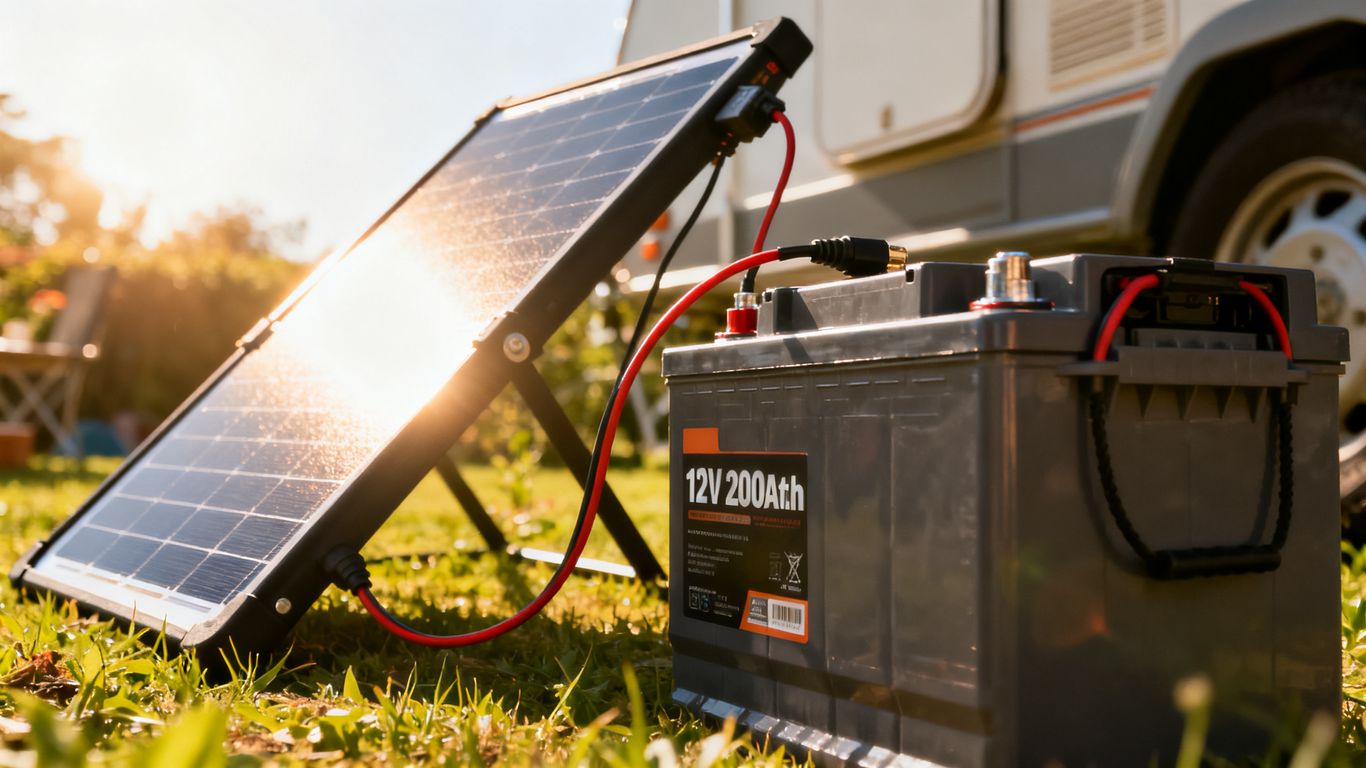
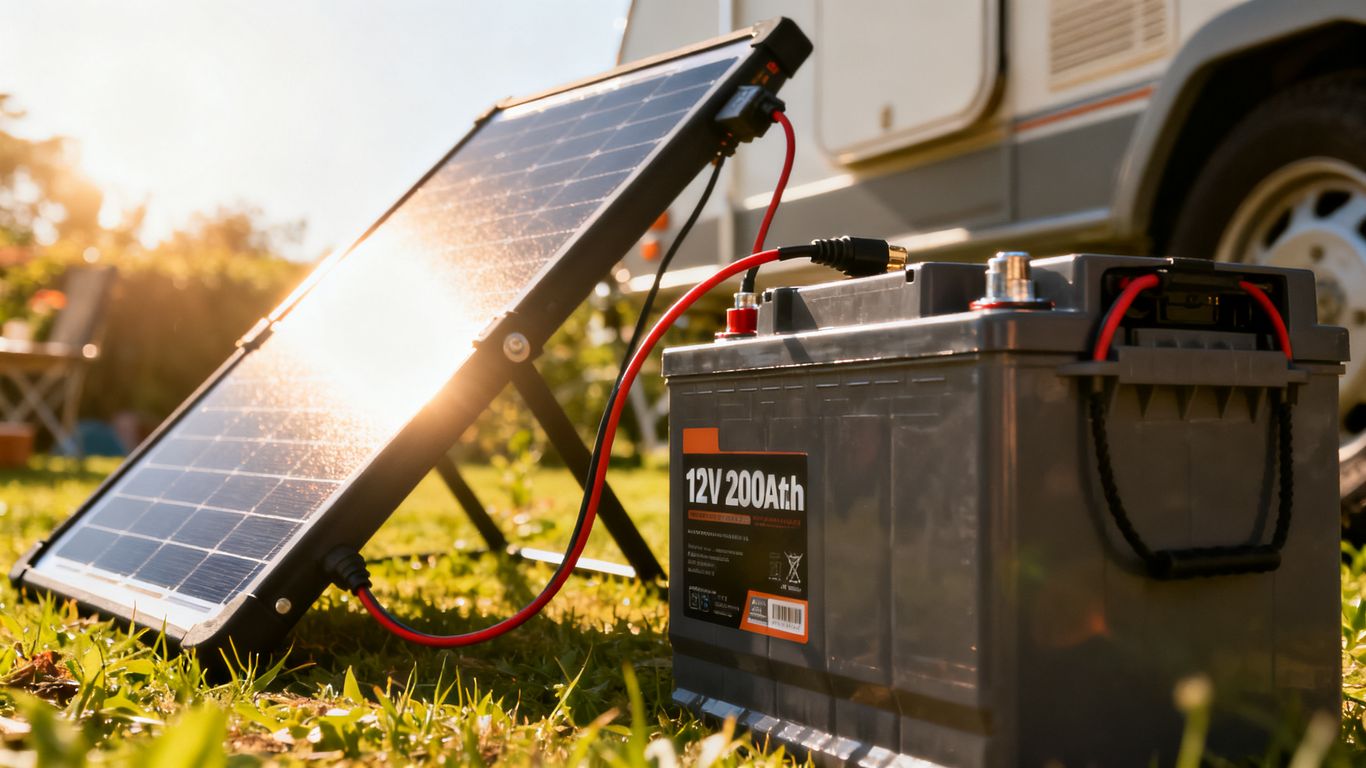
Solar batteries are the most direct way to store electricity generated during daylight hours. They act as an energy reserve that you can use when you need it, for example, in the evening or on low-light days. These accumulators allow for maximum self-consumption of your solar production, thereby reducing your dependence on the traditional electricity grid. Today, there is a wide range of batteries available, including lithium iron phosphate models, which are recognized for their efficiency and lifespan, making your photovoltaic installation more profitable for businesses [0a50].
Here are some points to consider regarding solar batteries:
- Storage Capacity: Measured in kilowatt-hours (kWh), it should be adapted to your consumption and your panels’ production.
- Lifespan: Expressed in charge/discharge cycles, it determines your battery’s longevity.
- Output Power: This indicates the amount of energy the battery can deliver instantly.
Understanding Virtual Storage
An interesting alternative to physical batteries is virtual storage. Instead of storing electricity at your home, you entrust it to an energy provider. This provider then commits to returning an equivalent amount of electricity to you when you need it. This is a smart way to monetize your surplus production without investing in local storage equipment. This system offers appreciable flexibility, especially with evolving electricity buy-back rates [df28].
Virtual storage allows you to smooth out your energy consumption by using the electricity you produced but did not consume immediately, without needing to install additional equipment at your home. It’s a dematerialized management of your surplus energy.
Using Stored Solar Energy at Night
Thanks to solar batteries, whether physical or virtual, you can power your home throughout the night. The energy accumulated during the day is made available when your panels are no longer producing. This allows you to enjoy clean, free energy, even after sunset, contributing to increased energy independence and a reduced carbon footprint. The goal is to be able to use your solar production 24/7.
Solar Thermal Panels, a Specific Alternative
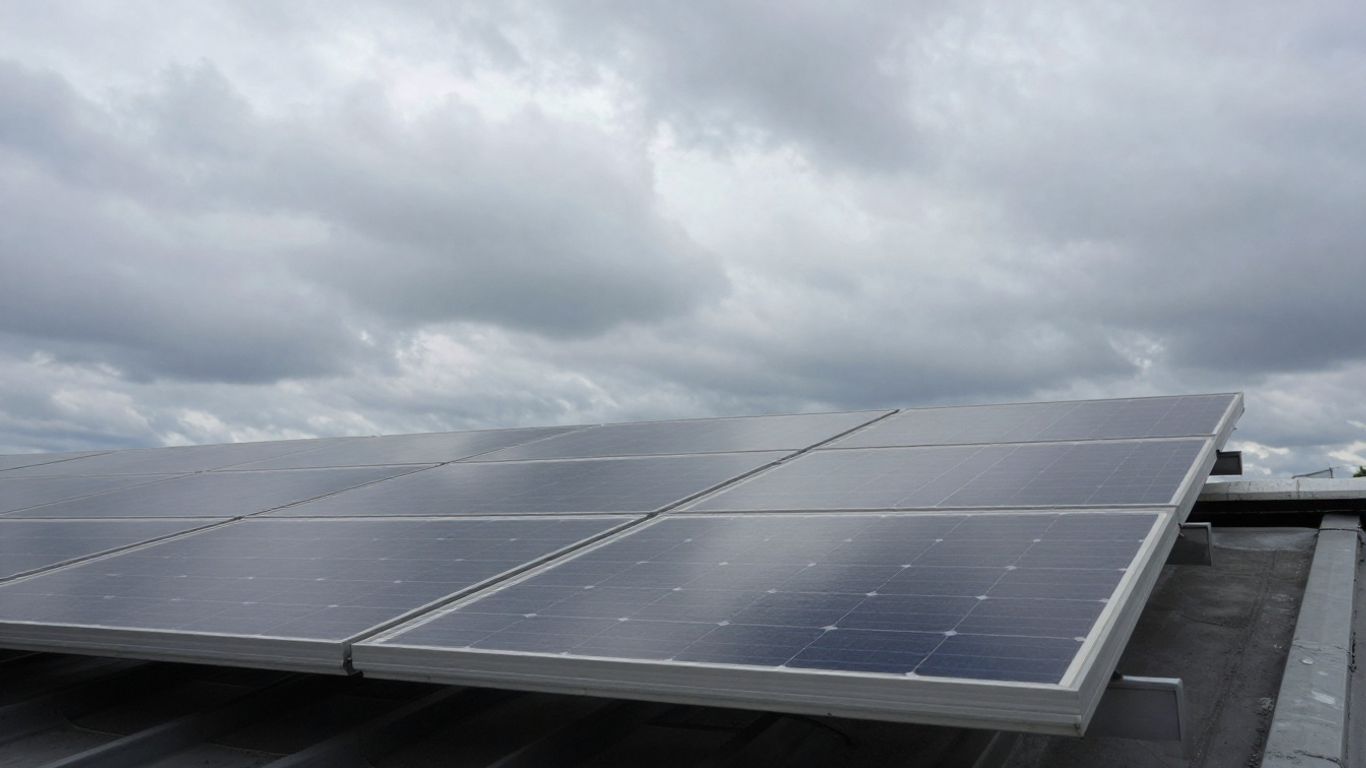
The Distinct Operation of Solar Thermal Panels
Unlike photovoltaic panels that convert light into electricity, solar thermal panels have a different mission: to heat. They capture the sun’s heat to warm a heat transfer fluid that circulates inside. This fluid, once heated, can be used to produce domestic hot water or for heating your home. Their operation is therefore based on thermal energy and not on direct light. They are an interesting solution to reduce your energy consumption, learn more about sustainable solutions.
Dependence on Temperature Rather Than Light
You might wonder if these panels work in overcast weather. The answer is yes, to a certain extent. Thermal panels are less sensitive to the presence or absence of direct light than to ambient temperature and the intensity of overall solar radiation. They can therefore produce heat even when the sky is cloudy, as there is always a certain amount of thermal energy in the air and in diffused solar rays. The idea is that they react to heat, not just visible light.
Heat Production in Tropical Weather
Imagine a rainy but very hot day, typical of a tropical climate. In this scenario, a solar thermal panel could potentially perform better than in direct sunlight on a freezing day in Norway. Why? Because the outside temperature is high and the solar radiation, even if diffuse, carries thermal energy. It is this ambient and solar heat that is captured. This clearly shows that the main criterion is not direct sunshine, but the amount of thermal energy available. They are an option to consider for constant heat production, even if conditions are not ideal for photovoltaics.
Future Innovations for Solar Panels Without Direct Sunlight
The field of solar energy is constantly evolving, and researchers are actively working on solutions to improve electricity production, even in low-light conditions or during the night. These advancements could significantly change the landscape of energy autonomy.
Research on Solar Panels Operating at Night
The idea of producing electricity at night may seem counterintuitive, but several avenues are being explored. One of them is based on the principle of radiative cooling. Solar panels, like any object, emit heat into the atmosphere, especially when exposed to the night sky. Devices called thermoradiative cells are being developed to capture this temperature difference between the panel and the ambient environment and convert it into electricity. Although current prototypes generate a modest amount of energy, about 50 milliwatts per square meter, this is a significant advancement that opens interesting prospects for continuous energy production. This research aims to make solar panels more efficient, even in difficult conditions, as shown by the evolution of solar technologies.
The Development of Solar Panels in the Rain
Rain, while it can reduce light intensity, does not completely stop solar production. Current panels continue to generate electricity thanks to diffuse light. Furthermore, raindrops can even have a cleaning effect, improving long-term efficiency. Future innovations go further: research is being conducted on so-called
Conclusion
In summary, the idea of a solar panel without direct sunlight may seem surprising, but it is very real. Thanks to their ability to capture diffuse light, these installations continue to produce electricity even when the sky is overcast or the sun is not present. Technological advancements, such as bifacial panels or monocrystalline cells, are constantly improving their efficiency in low-light conditions. Furthermore, storage solutions, such as batteries, ensure continuous power supply. Although solar thermal panels operate differently, focusing on heat, the future promises even more surprising innovations for more versatile solar energy production, independent of weather conditions.
Frequently Asked Questions
Can a solar panel produce electricity without direct sunlight?
Yes, absolutely! A solar panel captures light, not just direct sun rays. Even when the sky is overcast, the ambient light, called diffuse light, is enough to make the panel’s cells work and produce some electricity. It’s as if your panel captures the daylight’s brightness, even without seeing the sun shine.
How does a solar panel perform on very cloudy or rainy days?
On very cloudy days, the light is less strong, so the panel will produce less electricity than on a sunny day. If it’s raining, it’s mainly the clouds that block the light. Rain itself isn’t the main problem, unless it dirties the panel. Snow, on the other hand, can really block the light if it completely covers the panel.
Do solar panels produce electricity at night?
No, at night, there is no daylight, so solar panels produce nothing. That’s why batteries are used to store the electricity produced during the day. This way, you can use that stored energy when it’s dark.
What is a bifacial solar panel and what is it used for?
A bifacial panel is a special type of solar panel. It can capture light from both sides! So it can produce electricity not only with the light that hits it directly, but also with the light that reflects off the ground or a wall. It’s like it has twice the chance to capture light.
Do solar thermal panels work differently from photovoltaic panels?
Yes, that’s a good question! Solar thermal panels don’t produce electricity; they produce heat. They need the sun’s heat, not necessarily direct light like photovoltaic panels. That’s why they can work better when it’s hot, even if there are clouds, compared to panels that generate electricity.
What are the planned innovations for future solar panels?
Researchers are working on really cool ideas! They are trying to create panels that could produce electricity even in the rain, by using the energy from raindrops. There are also projects for panels that would work at night, by capturing the heat escaping from objects. This isn’t quite ready yet, but it shows that we are always looking to improve things.