
Key Takeaways for Mastering Your Energy Budget
Understanding your bill is the first step towards optimizing your actual energy expenses. By adopting a methodical approach based on figures and contractual conditions, you gain visibility.
- Clearly analyze the fixed subscription fee and your consumption volume.
- Use official comparison tools to base your decisions on current data.
- Scrutinize the pricing conditions before signing any contract, whether fixed or indexed.
- Incorporate your past consumption data to anticipate your future needs.
- Monitor overall market trends to adjust your contracts in a timely manner.
Decoding the Key Elements of Your Energy Bill
Reading a public energy bill can quickly become complex due to the multiplication of tariff lines. A rigorous analysis of the data is essential to understand what you are actually paying for, just as we at Millennium Digital audit every variable to maximize our clients’ return on investment. It is crucial not to limit yourself to the total VAT-inclusive amount but to break down the costs to identify areas for savings.
The Distinction Between Subscription and Consumption
Your bill primarily consists of a fixed portion, the subscription fee, and a variable portion related to your actual usage. The subscription fee covers the provision of power, while consumption reflects the energy drawn from the grid, often measured in kWh.
Understanding the Price per Kilowatt-hour (kWh)
The price per kWh is the core of your variable expense. It is crucial to examine whether this cost is fixed, indexed, or dynamic, in order to assess the stability of your budget against global market fluctuations.
Identifying Taxes and Mandatory Contributions
Taxes constitute a significant portion of the final bill. These include, in particular, CSPE and TCFE, the calculation of which is regulated by public authorities, and on which the energy supplier technically has no room for maneuver.
How to Effectively Compare kWh Prices
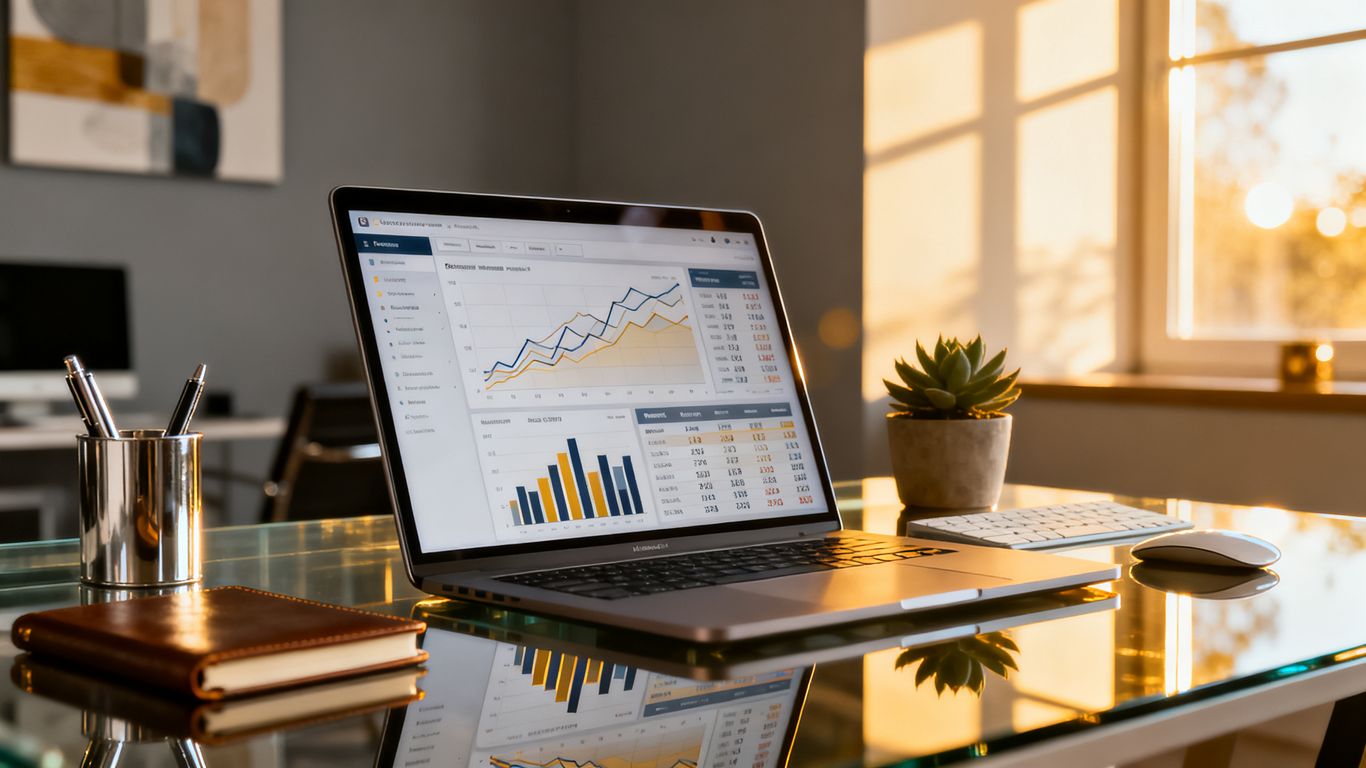
Conducting a rigorous comparative kWh price analysis requires cross-referencing your consumption profile with available market offers without succumbing to unrealistic promotional appeals. Similar to our methodology at Millennium Digital, where we leverage automation to qualify prospects, it is important here to automate your monitoring using reliable data tools to ensure the relevance of your selection.
Using Official Online Comparison Tools
Tools certified by national regulators offer essential neutrality. By entering your precise data, you obtain a ranking of offers that are truly suited to your needs, rather than purely marketing proposals.
Clearly Defining Your Annual Consumption Needs
The accuracy of your estimate is paramount to avoid surprising adjustments during the annual meter reading. An exhaustive inventory 0e08 of your equipment allows for the establishment of a solid baseline essential for profitability calculations.
The Role of the Price Shield and Regulated Tariffs
This mechanism limits sudden tariff increases, acting as a temporary safety net. However, it is necessary to regularly check if market offers are not becoming more advantageous beyond the regulated caps, which you can consult via 8fea.
Analyzing Different Pricing Structures
The choice of a pricing structure should reflect your risk tolerance and your ability to adjust your behavior. A detailed analysis, similar to a B2B market study prepared by Millennium Digital, involves weighing the benefits of security against those of flexibility.
Offers Indexed to the Regulated Tariff
These contracts follow the evolution of the reference tariff, allowing you to benefit from market decreases while also being subject to increases. This option requires constant monitoring of European energy trends.
Advantages and Risks of Fixed-Price Offers
Stability is the main advantage here, protecting you from any volatility during the contract term. In return, you will not benefit from any potential price drops in the wholesale market, which can prove costly in the long run.
Dynamic Tariffs Based on Time of Day
These require active management of your consumption to shift energy-intensive uses to off-peak hours. This approach is recommended for households or businesses capable of intelligently managing their energy demand.
Evaluating Hidden Costs and Additional Services

Beyond the advertised rate, certain ancillary fees can increase your annual bill if you are not vigilant. Particular attention should be paid to the overall structure of the offer.
Service Activation and Administrative Management Fees
These costs are often minimized but can vary significantly between operators. It is useful to examine the following comparison table to identify the most frequent expense items:
| Type of Fee | Description | Financial Impact |
|---|---|---|
| Activation | Meter opening fees | One-time |
| Annual Management | Account maintenance fees | Monthly |
| Termination | Fees upon departure | Variable |
Analyzing these items helps avoid unjustified surcharges in your current expenses.
The Impact of Energy Source on the Final Cost
Choosing renewable sources may incur a slight additional cost related to guarantees of origin. This approach is often added value for companies wishing to enhance their corporate image.
Comparing Customer Service Reliability and Reputation
A cheaper supplier that is difficult to reach can become a major source of frustration in case of a dispute. Prioritize verified customer experiences over mere commercial promises.
Making an Informed Decision with Data
Interpreting consumption data is the primary lever for transforming your bills into optimization opportunities. This analytical rigor should also apply to other aspects such as choosing accounting solutions or license management if you are a professional.
Calculating Your Real Savings Over a Typical Year
Take the time to project your costs over 12 months by adding the subscription fee and estimated consumption. Never rely solely on the kWh price without including the fixed subscription cost in your final calculation.
Anticipating Changes in Your Consumption Profile
Your needs vary over time, especially when acquiring new equipment or changing your heating system. Regular monitoring of your consumption data 04ac is essential to adjust your contract in time.
Steps to Change Suppliers Without Risk of Interruption
Changing suppliers is a simplified procedure that guarantees complete service continuity. You do not need any technical intervention on your meter; the transition between providers is administrative.
Anticipating Energy Market Fluctuations
Understanding price-setting mechanisms is essential to remain calm in the face of global economic upheavals. Current forecasts for 2030 call for proactive management of your energy access.
Understanding Global Price-Setting Mechanisms
The cost of energy depends on geopolitical factors, the availability of raw materials, and the energy mix. These elements are interconnected and determine the wholesale prices paid by suppliers.
The Influence of Public Policies on Your Bills
Government decisions, whether exceptional taxes or network renovations, have a direct impact on the final price. Following regulatory news allows you to anticipate future changes in your budget.
Protecting Yourself Against Future Price Volatility
Diversifying your supply sources and investing in self-consumption solutions are the best long-term strategies. Here are some ways to secure your budget:
- Install smart monitoring devices to visualize your consumption peaks.
- Renegotiate your contracts as soon as indexing clauses become unfavorable.
- Invest in the energy efficiency of your building to reduce upstream demand.
- Regularly put your suppliers in competition to maintain price pressure.
Summary for a Sustainable Choice
By consolidating the information gathered and staying attentive to market developments, you transform an administrative constraint into a sustainable saving lever for your household or business.
Your Questions About the Energy Market
How do I know if my current offer is performing well?
Compare the price per kWh and the subscription fee with those offered by other suppliers on official online tools to identify potential savings.
Why do prices change so often?
Prices vary based on the cost of purchasing energy on wholesale markets, applicable taxes, and the transport and distribution fees managed by network operators.
Does the quality of electricity change depending on the supplier?
No, the electricity delivered to your home is the same regardless of your contract; only the rates and associated services differ based on your choice.
What is an indexed price offer?
It is a contract where the energy price follows the variations of the regulated sales tariff or market indices, allowing for the pass-through of both decreases and increases.
Can I change energy suppliers multiple times?
Yes, you can change suppliers as many times as you wish, without termination fees and without any risk of energy interruption.
Who should I contact in case of a dispute with a supplier?
You should first contact your supplier’s customer service. If you remain unsatisfied, you can contact the national energy mediator for a resolution.
Is it advantageous to have two separate contracts for gas and electricity?
This depends on the bundled offers proposed by suppliers. Sometimes, a single contract is simpler to manage, while two contracts can allow for optimizing the price of each energy separately.