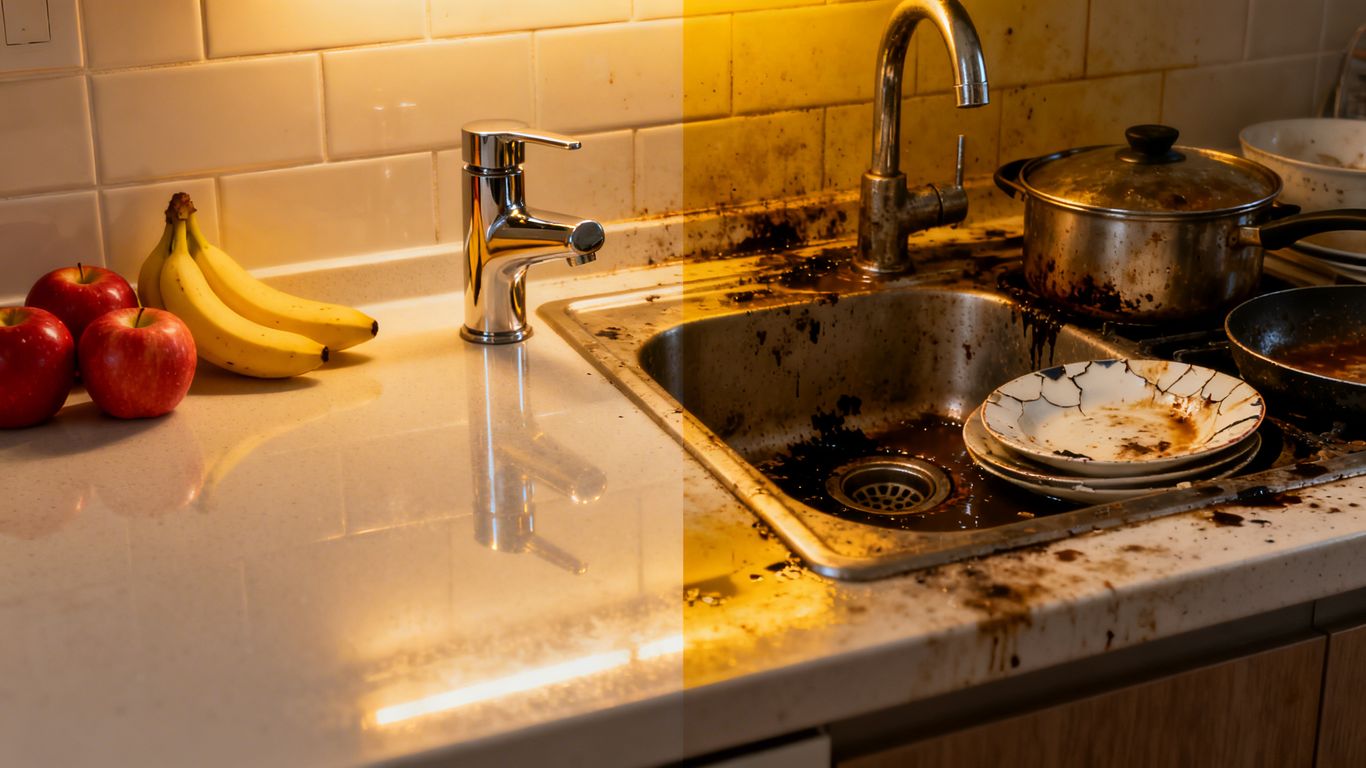
Looking to improve your cleaning methods without falling into common traps? This is an excellent step towards ensuring a healthy and pleasant environment, whether at home or in a professional space. We will explore together how to avoid bad habits and adopt more effective and safer practices. Get ready to transform your cleaning routine!
Key Takeaways
- Clearly distinguish between cleaning and disinfecting. Cleaning removes dirt; disinfecting kills germs. Often, both are needed, in the correct order.
- Choose your products carefully. Adapt them to the surfaces and opt for eco-friendly options when possible. For example, white vinegar is useful for certain tasks, but be careful not to use it everywhere, and especially not with bleach.
- Respect the contact time of products. A disinfectant needs to remain on the surface for a certain period to be effective. Read the instructions carefully.
- Protect your health. Wear gloves to avoid contact with chemicals and ensure good ventilation of rooms during and after cleaning.
- Establish a routine. Regular cleaning, even simple, is more effective than infrequent deep cleans. Consider the appropriate frequency for each area.
Understanding the Fundamentals of Effective Cleaning
Before diving into a deep clean, it’s good to know why we clean and how to do it effectively. We’re not just talking about making things look nice, but about creating a healthy environment. This starts with clearly distinguishing two things: cleaning and disinfecting.
Distinguishing Cleaning from Disinfecting for Targeted Action
Cleaning is about removing visible dirt: dust, crumbs, stains. It’s a mechanical action, often with soap and water. Disinfecting comes afterward. Its purpose is to kill germs, bacteria, and viruses that are not visible to the naked eye. Using a disinfectant on a dusty surface is not very effective. Germs are protected by the dirt. Always clean first, then disinfect. This is the golden rule for disinfectants to work properly.
Identifying Critical Areas and High-Touch Points
In any space, there are areas that are touched more often than others. Think about doorknobs, light switches, stair railings, remote controls, computer keyboards, or even faucets in the kitchen and bathroom. These are frequent high-touch points. These areas are potential breeding grounds for germs. Therefore, it makes sense to give them special attention, cleaning and disinfecting them more often than other surfaces.
Respecting Product Contact Time for Optimal Effectiveness
Bought a disinfectant? Great. But do you know that it needs to sit for a certain amount of time to be truly effective? What we call contact time is the period during which the product must remain in contact with the surface to kill microorganisms. This time is indicated on the product label. Often, we tend to wipe too quickly. If you rinse or wipe the product too soon, you lose a large part of its disinfecting power. It’s a bit like not letting medicine work. Therefore, you must read the instructions and respect this time, even if it seems a bit long.
Choosing the Right Products and Equipment
For truly effective cleaning, it’s not enough to just scrub. You also need the right tools and products. It’s a bit like a chef choosing their knives: the right utensil makes all the difference. So, how do you navigate all of this?
Matching Products to Specific Surfaces
You wouldn’t use dish soap on your hardwood floors, would you? It’s the same for cleaning. Each surface has its needs. Multi-surface cleaners are convenient for a quick clean, but for stubborn stains or specific areas, you need to be more precise. For example, in the bathroom, limescale builds up quickly. A good descaler, often based on citric acid or white vinegar, will be much more effective than a general cleaner. For kitchen countertops, a mild detergent is often sufficient, but if you have ingrained grease, a more powerful product will be necessary. It is essential to read the labels to know which product is suitable for which material. Using the wrong product can not only be ineffective but also damage your surfaces. Consider testing on a small, hidden area if you’re unsure, especially with materials like wood or natural stone.
Prioritizing Eco-Friendly and Certified Solutions
The impact of our cleaning products on the environment and our health is a growing concern. Fortunately, there are gentler alternatives. Labels like Ecolabel or Ecocert are there to guide you. They guarantee that the products meet strict standards, whether for biodegradability, limiting harmful substances, or using ingredients of natural origin. These certifications don’t mean that conventional chemical products are bad, but they offer extra assurance for those looking to reduce their ecological footprint. Furthermore, these products are often formulated to be less irritating to the skin and respiratory tract. You can find a wide range of eco-friendly cleaning products that are just as effective as their more conventional counterparts.
Using Microfiber Cloths and Appropriate Gloves
Equipment is the second part of the equation. Microfiber cloths have become indispensable. Their ultra-fine fibers capture dust and dirt very effectively, without scratching surfaces. To prevent the spread of germs, consider color-coding: one cloth for bathrooms (often red), another for desks (blue), etc. This prevents cross-contamination. Don’t forget gloves. They protect your skin from chemicals, which can sometimes be harsh, and prevent the transmission of germs. Opt for nitrile gloves, which are less allergenic than latex. A good microfiber mop and a bucket with a wringer can also greatly facilitate your work and improve the final result. Investing in quality equipment ensures better efficiency and a more pleasant long-term maintenance.
Adopting Good Practices for Common Surfaces
Clean First, Disinfect Second: A Golden Rule
The very first step to keeping your surfaces clean is to separate cleaning from disinfecting. A disinfectant will never be effective if applied to a dirty or dusty surface. Cleaning removes visible residue and prepares the surface to receive the disinfectant, which then acts on invisible germs. The following method is recommended:
- Clean with an appropriate detergent to remove dirt, smudges, and dust.
- After drying, apply the disinfectant, focusing on essential areas to treat.
- Let it sit for the indicated time before wiping.
A preparatory wash is 50% of the job done. On frequently used surfaces, adopt this habit daily to prevent cross-contamination.
For a streak-free result and less fatigue, start from the bottom when cleaning walls or ceilings; working from bottom to top really makes maintenance easier.
Avoiding Dangerous Product Mixtures
We can’t say it enough: mixing cleaning products can cause toxic reactions. Bleach and ammonia, for example, release dangerous gases on contact. Always read labels and use products separately. Here are some habits to adopt:
- Never combine two different products unless explicitly stated by the manufacturer.
- Use a different cloth or sponge for each product.
- Rinse a surface thoroughly if you switch cleaning solutions mid-session.
Maintaining Adequate Ventilation During and After Cleaning
When using chemical products, good ventilation is essential. It helps dilute any fumes and speeds up drying. Even with eco-friendly products, fresh air reduces respiratory irritation. Open windows or turn on a ventilation system. Also, allow for a waiting period before re-occupying the room, especially after intensive disinfection, to let the air regain its purity.
Quick Tips to Remember:
- Clean doorknobs, light switches, keyboards, and tables daily or after each collective use.
- Don’t use the same cloth from one room to another: adopt a color code or use disposable wipes.
- Stay vigilant: wear gloves, check disinfectant expiration dates, and always ventilate.
| Step | Essential Action |
|---|---|
| 1. Cleaning | Remove dirt and dust |
| 2. Disinfection | Apply to a clean surface |
| 3. Ventilation | Ventilate thoroughly after use |
By adopting these good practices, you will keep your common surfaces clean daily while protecting your health and that of your loved ones.
Protecting Your Health During Cleaning Operations
Wearing Gloves to Protect Your Skin from Chemical Agents
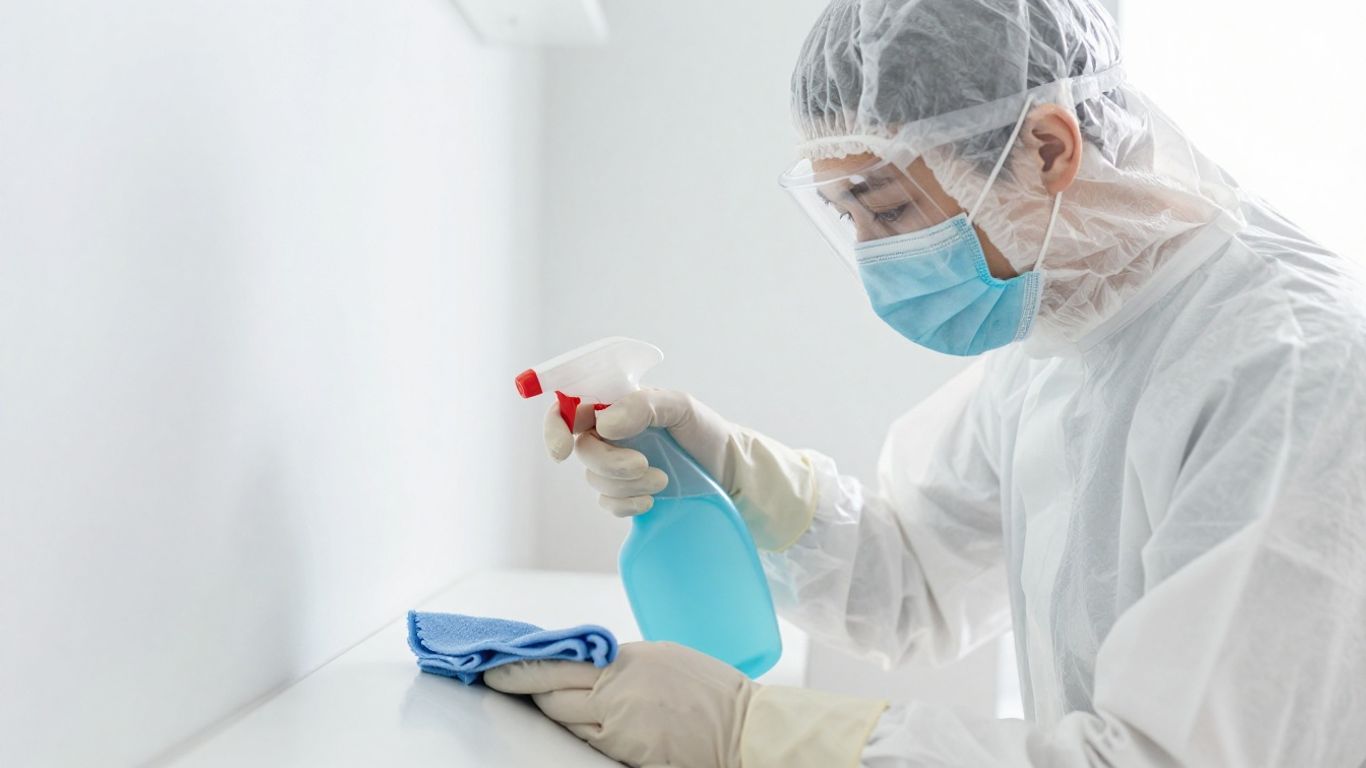
It’s easy to underestimate the importance of protecting your skin during cleaning. However, many household products contain substances that can irritate, dry out, or even cause allergic reactions. Wearing cleaning gloves is therefore a fundamental protective measure. They act as a physical barrier between your skin and potentially harsh chemicals. Remember to choose gloves appropriate for the type of task: thicker gloves for heavy-duty work, and thinner models for delicate handling. Don’t forget to wash them after use and wash your hands thoroughly afterward. This is a simple gesture that preserves your skin’s health in the long run.
Ensuring Good Ventilation of Premises
When you use cleaning products, especially if they are concentrated or scented, fumes can be released. Prolonged inhalation of these fumes can be harmful to your respiratory system. That’s why it’s crucial to ensure good air circulation during and after your cleaning sessions. Open windows and doors wide to allow fresh air to circulate and renew the room’s atmosphere. This helps dissipate fumes and reduce exposure to chemical compounds. Good ventilation directly contributes to a healthier environment for you and the occupants of your home. If you clean often, consider using less volatile products or more natural alternatives.
Keeping Products Out of Reach of Children and Pets
Cleaning products, even those that seem harmless, can pose significant risks if ingested or handled by vulnerable individuals. Children, with their natural curiosity, and pets, with their movements and tendency to explore with their noses, are particularly at risk. Therefore, it is imperative to store all your cleaning products in secure locations. Ideally, use high cupboards or lockable cabinets. Ensure containers are tightly closed after each use. This simple but vital precaution prevents household accidents and ensures the safety of all members of your household. Remember to regularly check that containers are properly labeled to avoid any confusion.
Managing Specific Room Needs
Optimizing Kitchen and Bathroom Cleaning
The kitchen and bathroom are often the areas that require the most attention in a home. In the kitchen, humidity, food residue, and appliance heat can promote bacterial growth. Therefore, it is essential to thoroughly clean and disinfect countertops, sinks, stovetops, and floors after each use. Remember to regularly replace sponges and dish towels to prevent cross-contamination. Utensils, such as cutting boards, should ideally be dedicated to specific types of food (one for raw meat, one for vegetables, etc.).
In bathrooms, humidity and limescale are the main issues. Shower grout, faucets, and walls can quickly become a playground for mold and tartar. Using appropriate descaling products, such as those based on white vinegar or citric acid, is recommended to combat these deposits. Frequent cleaning of surfaces and good ventilation after each shower or bath will help prevent their appearance.
Regularly Maintaining Damp Areas to Prevent Mold
Damp areas, whether in the bathroom, laundry room, or even a poorly ventilated kitchen corner, are environments conducive to mold growth. These microscopic fungi can not only affect the appearance of your walls and ceilings but also have consequences for your health, particularly respiratory issues. To prevent them, ventilation is your best ally. Open windows wide after each use of the shower or bathtub, and if possible, use an exhaust fan. Regular cleaning of tile grout, silicone seals around the bathtub or shower, and corners where water tends to stagnate is also essential. Anti-mold products exist, but good ventilation and quick drying of surfaces remain the most effective and least aggressive methods.
Monitoring Refrigerator and Trash Can Cleanliness
The refrigerator and trash cans are two items that, if not maintained, can quickly become sources of bad odors and contamination. In the refrigerator, regularly check food expiration dates and promptly remove spoiled items. Periodic cleaning of drawers, shelves, and seals with a mixture of water and white vinegar or baking soda helps maintain a healthy environment. Don’t forget to clean the exterior of the appliance as well.
As for trash cans, whether for household waste or recycling, they must be emptied regularly. Frequent washing of the inside and outside of the bin, followed by disinfection, is recommended, especially for the kitchen trash can. You can, for example, use a little diluted bleach or a disinfectant. To limit odors, you can place a little baking soda at the bottom of the trash can before placing a new bag in it.
Specific maintenance for these sensitive areas doesn’t necessarily require expensive or complex products. Often, simple, natural solutions, combined with frequent attention, are sufficient to ensure optimal hygiene and prevent unpleasantness.
Integrating Sustainable Cleaning Routines
Establishing an Action Plan with Adapted Frequencies
To keep your home clean long-term, it’s essential not to wait for clutter to accumulate. A proactive approach, based on a thoughtful schedule, makes all the difference. This doesn’t mean spending hours every day, but rather distributing tasks intelligently throughout the week. Consider identifying areas that require more frequent attention, such as the kitchen or bathroom, and dedicating a few minutes to them regularly. A tidy space is easier to clean; make it a habit to put things back in their place every day to prevent dirt from settling in. Adopting good maintenance habits will help you structure your week and make cleaning less of a chore.
Maintaining Constant Rigor to Avoid Accumulation
The key to a healthy home lies in consistency. Rather than planning large, one-off deep cleans that can be discouraging, opt for short, regular actions. For example, dedicating 15 to 30 minutes a day to targeted tasks can transform your environment. This can include wiping down countertops after each use, quickly cleaning sinks, or vacuuming high-traffic areas. These small gestures, repeated daily, prevent dirt and dust from settling in permanently, making deeper cleans much easier later on. Don’t forget the importance of ventilation: opening windows for a few minutes each day renews the air and contributes to a healthier interior.
Considering Cleaning as a Long-Term Investment
View cleaning not as a chore, but as an investment in your well-being and the longevity of your home. Regular maintenance preserves your surfaces, prevents premature degradation of materials, and contributes to a healthier environment for you and your family. This means choosing the right products, suitable for each surface, and using them correctly. For example, quality microfiber cloths can improve your cleaning efficiency while being more environmentally friendly. By adopting a consistent routine and paying attention to details, you create a pleasant and durable living space, where it’s good to live every day. This approach requires a little organization at first, but its benefits are felt in the long run.
In Conclusion: A Healthy Environment Within Reach
There you have it, we’ve covered the pitfalls to avoid for effective cleaning. By applying these simple actions, you’ll transform your household routine. Don’t forget: clean first, then disinfect, respect contact time, and protect your hands. It’s not that complicated, is it? A clean home is a bit like a clear mind. So, grab your cloths, and enjoy a healthier, more pleasant space every day.
Frequently Asked Questions
Why is it important to clean before disinfecting?
Cleaning first removes visible dirt and residue. If you disinfect directly on a dirty surface, the disinfectant cannot work effectively because the dirt acts as a barrier. It’s like trying to paint over a dusty wall; the result won’t be good. Therefore, you must always start by cleaning so that the disinfectant can then effectively kill germs.
What are the most important places to clean and disinfect often?
You should pay special attention to ‘hot spots,’ meaning surfaces you touch most often throughout the day. Think about doorknobs, light switches, remote controls, computer keyboards, as well as faucets and countertops in the kitchen. These places are breeding grounds for germs and should be cleaned and disinfected regularly, ideally every day.
Should I wear gloves when I clean?
Yes, it is highly recommended. Cleaning products, even household ones, can contain chemicals that irritate the skin or are harsh. Wearing gloves protects your hands from the products, as well as from the germs present on surfaces. Remember to wash your hands thoroughly after removing your gloves.
Is it dangerous to mix different cleaning products?
Absolutely! Mixing certain products can create dangerous chemical reactions, producing toxic gases or making the products ineffective or even corrosive. For example, never mix bleach with vinegar or acidic products. Always read labels and use only one product at a time, unless otherwise indicated by the manufacturer.
How do I choose the right products for each surface?
Each surface has its needs. For the kitchen, a good degreaser followed by a disinfectant is ideal. For the bathroom, a descaler will be useful against limescale. ‘Multi-surface’ products are convenient for quick maintenance, but it’s always best to match the product to the material (tile, wood, stainless steel, plastic). When in doubt, opt for mild or eco-friendly products.
Why is ventilation important during and after cleaning?
Ventilating rooms during cleaning helps dilute the fumes from the products used, which is better for your lungs. After cleaning, leaving windows open helps surfaces dry faster and removes moisture, which prevents mold growth, especially in areas like the kitchen or bathroom.