

The evolution of electricity prices concerns us all. Whether for home or work, the bill can quickly become a headache. We often wonder what influences these prices and, above all, what awaits us in the coming years. Will it continue to climb? Will there be a respite? In this article, we will try to understand all of this, by looking at the different factors that affect costs and by taking a look at the forecasts for 2030. We will also talk about solutions for better managing consumption and the policies that govern all of this. In short, we will dissect the evolution of electricity prices in 2030 to get a clearer picture.
Key Takeaways
- Production costs, infrastructure maintenance, and decarbonization targets are the main drivers of electricity price increases.
- Experts expect a continuous rise in electricity prices by 2030, with estimates varying but all pointing to an increase compared to current levels.
- A sustained drop in prices is unlikely in the short term, as massive investments are needed to modernize the grid and integrate renewable energies.
- The gradual end of the tariff shield in France will lead to increases for consumers and businesses, making consumption control even more important.
- Adopting self-consumption, comparing supplier offers, and following energy policies are key strategies for best managing your electricity bill.
Analysis of factors influencing the evolution of electricity prices
Understanding the mechanisms that govern electricity prices is essential to anticipating future developments. Several interdependent elements come into play, ranging from production costs to geopolitical issues, including environmental policies. It is important to note that these factors are not static and their influence can vary considerably over time.
Impact of production and maintenance costs
Electricity production costs are a determining factor in its final price. They include expenses related to fuels (gas, coal, uranium), the operation of power plants (nuclear, thermal, hydraulic), as well as infrastructure maintenance. An increase in the costs of these elements inevitably impacts the price of electricity for the consumer. For example, measures taken by EDF to strengthen the security of its nuclear fleet have generated additional costs.
Role of decarbonization targets and environmental regulations
The energy transition and decarbonization targets have a significant impact on electricity prices. Massive investments in renewable energies (wind, solar, hydraulic) and new technologies (energy storage, smart grids) entail significant costs. In addition, environmental regulations, such as the carbon tax, can increase the cost of electricity production from fossil sources. These policies aim to reduce greenhouse gas emissions, but they can also lead to price increases in the short term.
Influence of geopolitical tensions on energy markets
Geopolitical tensions have a direct impact on energy markets, and consequently, on electricity prices. International conflicts, economic sanctions, and political instabilities can disrupt the supply of fuels (gas, oil, uranium) and cause significant price fluctuations. The Ukrainian crisis, for example, led to a sharp rise in gas prices, which had repercussions on electricity prices.
It is crucial to closely monitor the evolution of these factors to anticipate future variations in electricity prices and adapt your consumption accordingly. Solar monitoring technologies can help optimize energy use and reduce costs.
Here are some elements that can influence electricity prices:
- Climatic conditions (drought, cold waves)
- Political decisions (taxes, subsidies)
- Evolution of demand (economic growth, electrification of uses)
General forecasts for electricity price evolution by 2030
It is essential to look at forecasts regarding the evolution of electricity prices in the coming years. Several complex factors interact, making predictions difficult, but necessary to anticipate the impacts on your budget and energy choices.
Upward trends anticipated by experts
Most analyses converge towards an upward trend in electricity prices by 2030. Several reasons explain this perspective. First, the massive investments needed to modernize electricity infrastructures, integrate renewable energies, and potentially extend the lifespan of the French nuclear fleet exert upward pressure on costs. In addition, increasing production and maintenance costs, as well as ambitious decarbonization targets, also contribute to this trend. The inflation of labor and material costs for the construction and maintenance of electrical infrastructures must also be taken into account.
Estimates of megawatt-hour prices by 2030
Estimates of the megawatt-hour (MWh) price by 2030 vary considerably depending on the sources and scenarios considered. A 2017 Statista study predicted a price of €128.3 per MWh in 2030. However, this figure was established before the 2022 energy crisis and could be underestimated given current geopolitical tensions and challenges related to the energy transition. It is important to note that the spot price is €20.6608/MWh. In comparison, it was €12.4213/MWh a month ago, and €49.58/MWh a year ago.
It is important to note that these estimates are subject to uncertainties and can be influenced by unpredictable factors such as technological developments, political decisions, and geopolitical events.
Comparison with historical prices and crisis peaks
To better understand price forecasts for 2030, it is useful to compare them with historical prices and crisis peaks. In 2022, the price of MWh on the wholesale market reached record levels, exceeding €200/MWh due to the war in Ukraine, soaring gas prices, and availability issues with the nuclear fleet. Although prices have decreased since then, they remain higher than pre-crisis levels.
Here is a comparative table of electricity prices on the wholesale market:
| Period | Price (€/MWh) |
|---|---|
| Early 2021 | 40-100 |
| Year 2022 | >200 |
| Today (4/6/25) | 20.6608 |
It is therefore likely that you will see an increase in your electricity bills in the coming years. It is therefore important to monitor price evolution and adopt adaptation strategies to control your consumption.
Prospects for stabilization or decrease in electricity prices
Although recent years have been marked by high volatility in electricity prices, it is legitimate to wonder whether stabilization, or even a decrease, is possible in the coming years. Several factors could influence this trend, ranging from technological developments to energy policies.
Probability of a sustained price decrease
The possibility of a sustained decrease in electricity prices depends on several key elements. One of the most important is the reduction of production costs, particularly through technological advances in renewable energies. For example, improved efficiency of solar panels and wind turbines could make these energy sources more competitive, thus putting downward pressure on prices. In addition, better demand management, thanks to technologies like smart grids, could reduce the need to resort to more expensive energy sources during peak periods.
Conditions necessary for a possible cost stabilization
For electricity costs to stabilize, several conditions must be met. Firstly, geopolitical stability is essential, as international tensions can lead to significant fluctuations in energy prices. Secondly, a clear and coherent energy policy is necessary to encourage investment in infrastructure and new technologies. Thirdly, effective regulation of the electricity market is essential to avoid abuses and ensure fair competition. Finally, it should be noted that tariff options can influence price perception.
Impact of investments in infrastructure and renewable energies
Massive investments in energy infrastructure and renewable energies play a crucial role in the prospect of price stabilization or decrease. Increasing the share of renewable energies in the energy mix can reduce dependence on fossil fuels, whose prices are often volatile. In addition, the development of smarter and more efficient electricity grids can improve energy management and reduce losses, thus contributing to lower costs. Investments in energy storage, such as large-scale batteries, can also play an important role by allowing the smoothing of renewable energy production and reducing the need to resort to more expensive energy sources during periods of low production.
It is important to note that even if electricity prices may stabilize or decrease in the long term, short-term fluctuations are always possible due to various factors, such as weather conditions, power plant outages, or changes in demand.
In conclusion, although the future of electricity prices remains uncertain, several factors suggest the possibility of stabilization, or even a decrease, in the coming years. However, it is essential to remain vigilant and adapt to market developments to control your consumption and reduce your energy bill. Electricity prices fell by an average of 15% in February 2025, which is good news.
Recent evolution of electricity prices and its implications
Analysis of tariff increases in 2024
In 2024, you may have noticed a significant increase in electricity tariffs. This rise is partly explained by various factors, including the global energy situation and domestic market adjustments. Energy prices have been particularly volatile, influenced by geopolitical events and supply constraints. It is important to note that these increases are not uniform and may vary depending on your electricity contract and your supplier.
Effects of the gradual end of the tariff shield
The tariff shield, put in place to mitigate the impact of price increases on consumers, has gradually come to an end. This gradual removal has led to an increase in electricity bills for many households and businesses. The government’s objective is to return to a freer market, but this transition has direct consequences on your purchasing power. It is therefore essential to understand how this end of the tariff shield affects your budget.
Consequences for consumers and businesses
Electricity price increases have significant repercussions for both consumers and businesses. For households, this translates into a larger portion of the budget dedicated to energy expenses. For businesses, especially energy-intensive industries, this can impact their competitiveness and profitability. It is therefore crucial to adopt adaptation strategies to cope with this situation.
Faced with these challenges, it is imperative to explore solutions to optimize your energy consumption and reduce your dependence on market fluctuations. This can involve investments in energy efficiency, adopting more responsible behaviors, and diversifying your supply sources.
Here are some avenues to explore:
- Improve your home’s insulation.
- Replace energy-intensive appliances with more efficient models.
- Adopt simple habits to reduce your daily consumption.
Adaptation strategies in the face of evolving electricity prices
The constant increase in electricity prices represents a major challenge for consumers and businesses. Fortunately, there are several strategies you can adopt to mitigate the impact of these increases. It is important to take proactive measures to control your consumption and explore energy alternatives.
Solutions for controlling electricity consumption
Reducing your electricity consumption is the first step to coping with rising prices. Here are some avenues to explore:
- Adopt responsible consumption habits: Turn off lights when you leave a room, unplug standby appliances, and use power strips with switches to cut power to multiple appliances simultaneously.
- Invest in energy-efficient equipment: Replace your traditional light bulbs with LED bulbs, which consume much less energy. Opt for household appliances with a good energy label (A+++).
- Optimize your heating and air conditioning: Properly insulate your home to reduce heat loss in winter and maintain coolness in summer. Use a programmable thermostat to regulate the temperature and avoid unnecessary heating or cooling.
It is crucial to monitor your energy consumption. Use an electricity consumption tracking tool to identify the largest spending items and adjust your habits accordingly.
Advantages of self-consumption and renewable energies
Self-consumption, i.e., the production and consumption of your own electricity, is an increasingly popular solution to reduce your dependence on the grid and control your costs. Renewable energies, such as solar photovoltaic, offer a sustainable and economical alternative.
- Installation of solar panels: Solar panels allow you to produce your own electricity and reduce your bill. You can even sell surplus electricity back to the grid.
- Use of other renewable energy sources: Depending on your geographical location, you can consider other renewable energy sources, such as domestic wind power or geothermal energy.
- Energy storage: Storage batteries allow you to store electricity produced by your solar panels and use it when you need it, even at night or on cloudy days.
Importance of comparing supplier offers
With the liberalization of the energy market, it is essential to compare offers from different suppliers to find the most advantageous rate. Electricity prices can vary considerably from one supplier to another, and significant savings can be made by choosing the right offer. It is important to compare offers regularly.
- Use an online comparator: Online comparators allow you to quickly and easily compare offers from different suppliers based on your needs and consumption.
- Take into account all contract elements: Don’t just look at the price per kWh. Also consider the subscription price, price revision conditions, and any hidden fees.
- Don’t hesitate to change suppliers: If you find a more advantageous offer, don’t hesitate to change suppliers. The procedure is simple and free.
The role of energy policies in price formation
Influence of taxes and contributions on the final bill
You should know that your electricity bill does not only reflect the cost of the energy itself. A significant part consists of various taxes and contributions. These elements are directly influenced by the energy policies implemented by the government. For example, the Public Service Electricity Contribution (CSPE), which finances the development of renewable energies, is included in your bill. The amounts of these taxes can vary depending on political decisions, directly impacting the price you pay. It is therefore important to understand how these energy taxes are structured and how they evolve.
- VAT (Value Added Tax): Applied to the entire bill.
- TICFE (Internal Tax on Final Electricity Consumption): A specific tax on electricity.
- CSPE (Public Service Electricity Contribution): Finances renewable energies.
Energy policies aim to guide the behavior of consumers and producers. They can encourage energy efficiency, support renewable energies, or discourage the consumption of fossil fuels. These political choices have a direct impact on the formation of electricity prices.
Impact of regulatory decisions on the electricity market
Regulatory decisions play a major role in structuring the electricity market. Regulation can influence competition between suppliers, access to the grid, and obligations regarding renewable energies. For example, Energy Savings Certificates (CEE) oblige suppliers to encourage energy savings among their customers. If suppliers do not comply with these obligations, they must pay penalties, which can be passed on to prices. Regulatory decisions can therefore have a significant impact on electricity prices.
Future directions of public energy policies
The future directions of public energy policies will have a decisive impact on the evolution of electricity prices. France is committed to an ambitious energy transition, with objectives for reducing greenhouse gas emissions and developing renewable energies. These objectives require significant investments in infrastructure and new technologies. Public policies will therefore have to strike a balance between the need to finance this transition and the desire to control electricity prices for consumers and businesses. It is important to follow the news of solar services to anticipate future changes.
- Development of renewable energies (solar, wind, etc.).
- Renovation of the nuclear fleet.
- Encouragement of energy efficiency.
Long-term projections for the French energy mix
Decarbonization targets and share of renewable energies in 2040
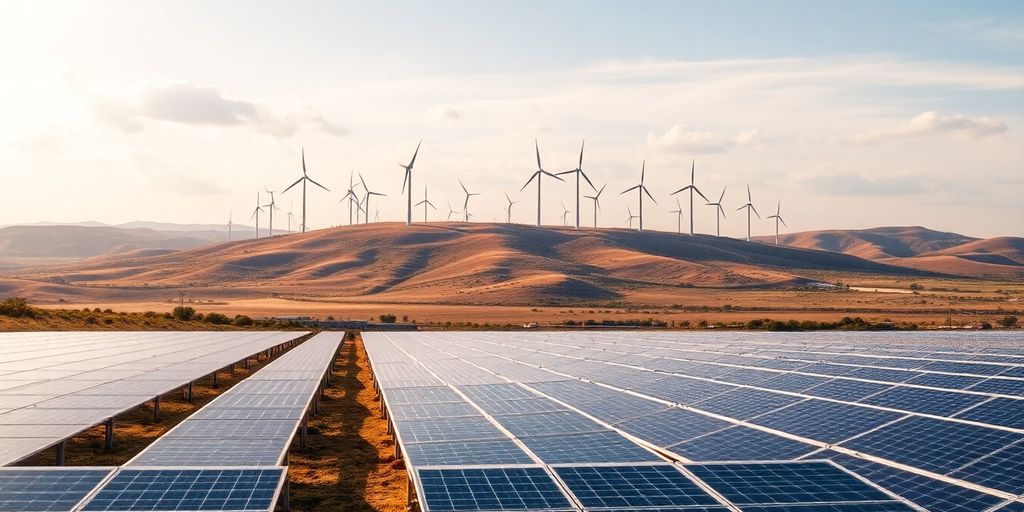
By 2040, France is resolutely moving towards a decarbonized energy future. You can expect an increased share of renewable energies in the national energy mix. The main objective is to significantly reduce greenhouse gas emissions, in accordance with commitments made at European and international levels. The share of renewable energies could exceed 50% of total electricity production.
Here are some key points to consider:
- Massive development of wind and solar power.
- Improvement of energy efficiency in buildings and industries.
- Support for energy storage technologies.
The energy transition represents a major challenge, but also an opportunity to create a more sustainable and resilient economy. Investments in renewable energies and clean technologies are essential to achieve decarbonization targets.
Development of the nuclear fleet and its impact on prices
The French nuclear fleet plays a central role in electricity production. Important decisions regarding its future will have a direct impact on electricity prices. Extending the lifespan of existing power plants and building new reactors are being considered to ensure stable and decarbonized production. However, these considerable investments could influence electricity prices for consumers.
Consider these aspects:
- Construction and maintenance costs of nuclear power plants.
- Impact of political decisions on the nuclear industry.
- Role of nuclear power in energy supply security.
Towards predominantly decarbonized electricity
France’s ambition is to achieve predominantly decarbonized electricity in the long term. This implies a profound transformation of the energy system, with a growing share of renewable energies and optimized management of the nuclear fleet. Achieving this objective will require massive investments, ambitious public policies, and optimization of grid components. Electricity in 2040 should be predominantly green.
Key steps include:
- Development of electricity transmission and storage infrastructures.
- Implementation of support mechanisms for renewable energies.
- Encouragement of innovation in clean technologies.
Conclusion
In summary, the future of electricity prices by 2030 seems to be heading towards an increase. Several factors explain this: the necessary investments to modernize our infrastructures, the integration of renewable energies, and the maintenance of the nuclear fleet. Even if occasional decreases may occur, the general trend is upward. For consumers, this means expecting higher bills. It is therefore important to look for ways to reduce consumption or produce your own electricity, for example with solar panels. This can help better manage these price increases.
Frequently Asked Questions
What will be the price of electricity in 2030?
Experts believe that the price of a megawatt-hour (MWh) could reach around 128.3 euros by 2030. This is an estimate made before recent events, so the price could be even higher.
Will the price of electricity decrease in 2024?
No, the price of electricity has rather increased in 2024. There was an 8.6% increase in early February.
How will the price of electricity evolve in 2024?
Prices have already risen by 8.6% in February 2024. Further increases are expected as government aid (the tariff shield) gradually disappears.
When will the price of electricity decrease?
It’s hard to say. Since 2018, the price of electricity has only increased each year. The trend is therefore upward.
Why did the price of electricity increase due to the war in Ukraine?
The war in Ukraine caused energy prices to soar worldwide. France depends on gas to produce part of its electricity, and the price of gas has increased significantly. This has made electricity more expensive.
How can I reduce my electricity bill?
To pay less, you can try to consume less, for example by turning off unnecessary lights or using less energy-intensive appliances. You can also see if producing your own electricity with solar panels is a good idea. And don’t forget to compare offers from different suppliers to find the cheapest one.


