Considering installing new solar panels for your home? That’s an excellent idea. Recent technological advancements have led to more efficient and durable panels. In this article, we’ll explore why adopting new solar panels can truly make a difference in maximizing your green energy production and reducing your bills. Get ready to discover the innovations that could transform your installation.
Key Takeaways
- New solar panels offer superior energy efficiency thanks to technological advancements, capturing more light over the same area.
- Technologies like bifacial panels (which capture light from both sides) or hybrid panels (electricity and heat) optimize overall production.
- Choosing the right solar panel involves considering its efficiency, its protection rating (for durability), and its compatibility with your existing system.
- Regular maintenance and monitoring of production data help maintain optimal performance and quickly detect drops in efficiency.
- Investing in new solar panels means aiming for a faster return on investment, greater energy independence, and a reduced ecological footprint.
Maximizing Production Through Solar Panel Technological Advancements
The world of solar energy is evolving at an impressive pace. If you already have an installation, you may have noticed that today’s panels don’t look like those from a few years ago. These technological advancements aren’t just for show; they primarily aim to increase the amount of electricity you can produce. Adopting new solar panels, therefore, means choosing more efficient and effective energy production.
Increased Energy Efficiency of New Solar Panels
Next-generation solar panels boast significantly higher conversion rates than older models. Where a standard panel might have an efficiency of 15-20%, current technologies, such as bifacial panels or those incorporating perovskite cells, can achieve efficiencies of 25-30%, or even more under ideal conditions. This improvement means you produce more electricity from the same surface area, which is particularly beneficial if your roof space is limited. Think about it: more power for your home, without needing more space. This is a significant gain for your energy autonomy.
Innovative Technologies for Optimized Production
Beyond simple efficiency, numerous innovations aim to optimize every ray of sunshine. Bifacial panels, for example, capture light on both sides, thereby increasing production by up to 30% compared to standard panels, especially if installed on reflective surfaces. There are also hybrid solar panels that produce both electricity and heat, offering impressive overall efficiency. These advancements allow you to get the most out of your installation, even in less-than-ideal conditions. Research continues, with technologies like perovskite panels promising even higher yields in the future, although they are still in the development phase for increased durability.
The Importance of Compatibility with Storage Systems
Producing more energy is good, but knowing what to do with it is even better. Modern solar panels are designed to integrate seamlessly with energy storage systems, such as solar batteries. These systems allow you to store excess electricity produced during the day for use in the evening or on less sunny days. Good compatibility ensures that your production is utilized to its full potential, thereby reducing your reliance on the electrical grid. This is a key element for true energy self-sufficiency and intelligent energy management. You can consult the latest advancements in solar technologies for 2026 to better understand the available options.
Exploring Different Generations of Solar Panels for Increased Efficiency
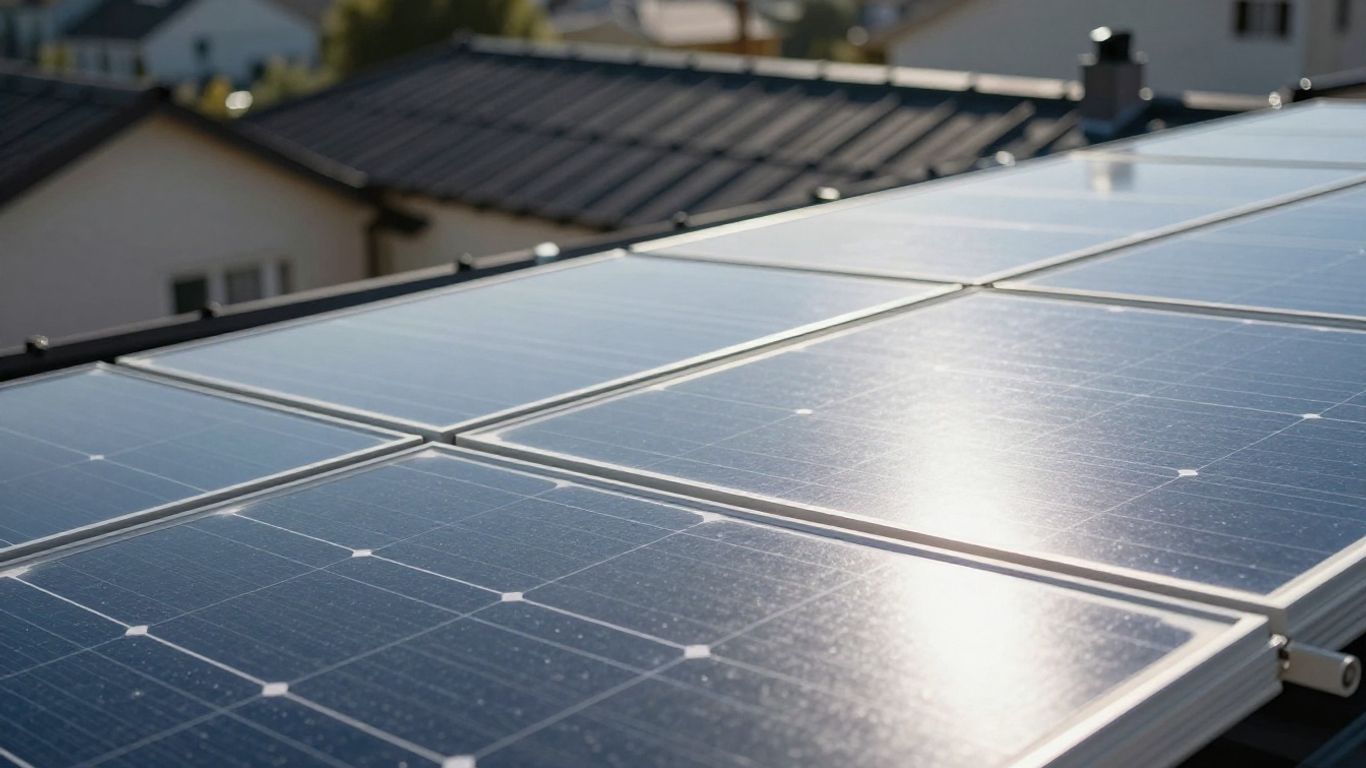
The world of solar panels is evolving at breakneck speed. If you have an older system, you might be surprised to see how much things have changed. New technologies aim not only to produce more electricity but also to do so more intelligently and sustainably. It’s therefore interesting to take a look at the different generations of panels available today.
The Bifacial Solar Panel: Double Light Capture
Imagine a panel that captures sunlight not from one side, but from both. That’s exactly what a bifacial solar panel does. Thanks to its design, often with double glazing or a transparent back, it can capture light reflected from the ground or roof. This can significantly increase your electricity production, sometimes by up to 30% more than a conventional panel. To get the most out of it, it’s best to install them on light-colored surfaces that reflect light well, such as a white patio or a light-colored roof. These panels are also generally more robust and better withstand bad weather, which can extend their lifespan. Although they cost a bit more upfront, the production gain and durability can make the investment very worthwhile in the long run.
Hybrid Solar Panels: Electricity and Heat Combined
Hybrid solar panels go even further by producing not only electricity but also heat. They combine two technologies in a single device. Part of the panel functions like a conventional photovoltaic panel to generate electricity, while another part captures heat produced by the sun to heat a fluid. This fluid can then be used for heating your home or domestic hot water. This is an interesting solution if you’re looking to optimize space and reduce your overall energy needs, both for electricity and heating. Their electrical efficiency may be slightly lower than that of bifacial panels, but the advantage of heat production is a significant asset.
Perovskite Solar Panels: A Promising Revolution
Perovskite is a material that is generating a lot of buzz in the solar field. These panels have the potential to achieve very high energy yields, sometimes exceeding 25%, using less expensive materials than traditional silicon. Furthermore, they can be manufactured flexibly, opening the door to novel applications, such as integration into textiles or curved surfaces. Although this technology is still in the development and large-scale commercialization phase, it represents a very promising future path for making solar energy even more accessible and efficient. Their long-term durability and resistance to environmental conditions are aspects that continue to be studied to ensure their reliability over several decades.
Choosing the Right New Solar Panel for Your Specific Needs
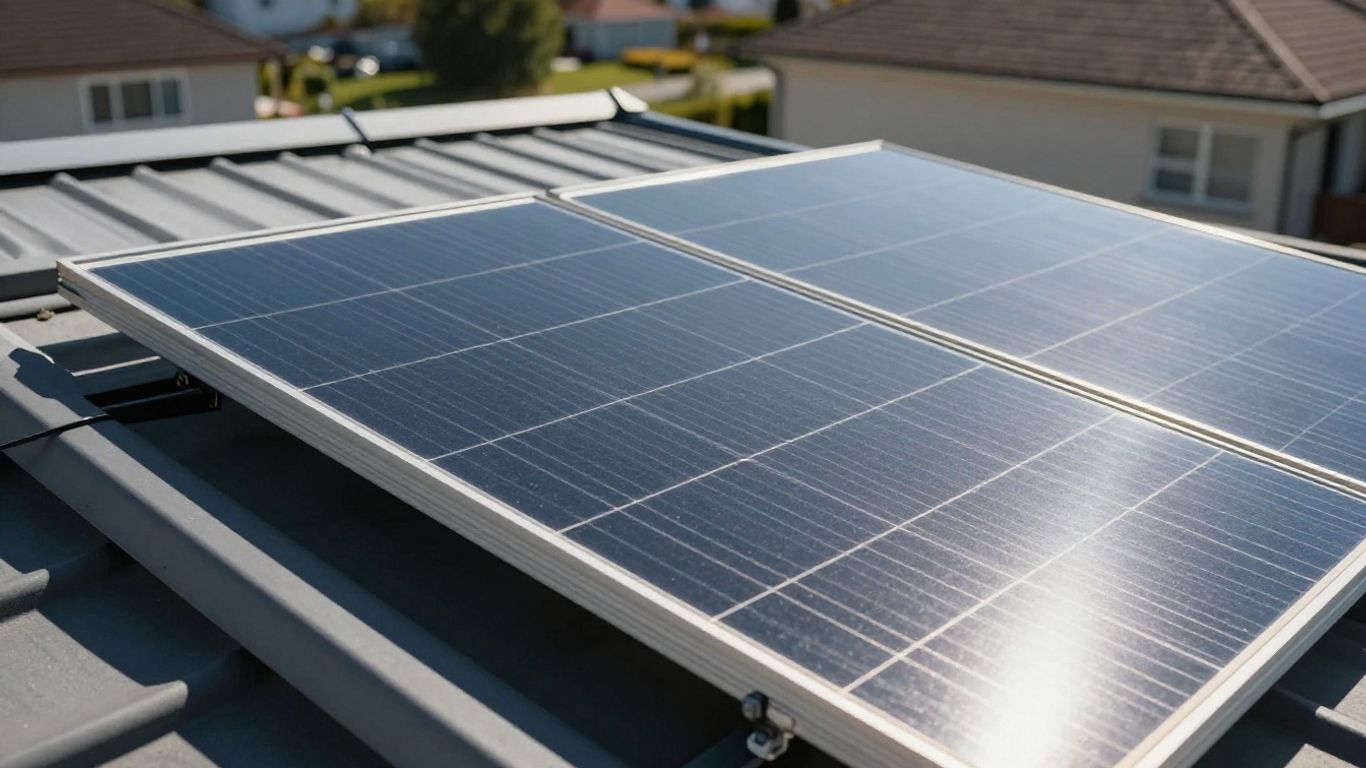
Selecting the solar panel that best suits your situation requires careful attention. It’s not just about choosing the model with the best performance on paper, but the one that aligns with your consumption, your budget, and the specifics of your home. A thorough analysis of these elements will guide you toward the most sensible solution.
Essential Technical Criteria for Informed Selection
To make an informed choice, several technical characteristics deserve your attention. Energy efficiency is paramount: the higher it is, the more electricity you will produce for the same surface area. Bifacial panels, for example, capture light from both sides, thus increasing their production. The type of cells is also a factor: monocrystalline offer superior efficiency, while polycrystalline represent a good quality-price compromise. It is also important to check the compatibility of your future panel with the energy storage systems you already own or plan to acquire, such as batteries or portable power stations like EcoFlow.
The Protection Rating for Enhanced Durability
The longevity of your installation will largely depend on its resistance to the elements. The Ingress Protection (IP) rating provides a clear indication of the panel’s ability to resist water and dust. A high rating, such as IP68, is strongly recommended for outdoor installations, as it ensures optimal protection against weather conditions. This robustness is particularly important for new-generation panels, which are often more exposed to variable weather conditions. Consider durability for a worry-free long-term investment.
The Importance of Dimensions and Weight for Installation
Before finalizing your choice, carefully consider the dimensions and weight of the solar panels. These aspects are directly related to the available space on your roof or at the planned installation site, as well as the structural capacity of that support. Some panels, particularly glass bifacial models, can be heavier than traditional panels. Therefore, it is necessary to ensure that your installation can safely support their weight. Proper planning of the module layout is also necessary to maximize solar capture, taking into account the available surface area and the size of the different modules.
Choosing the right solar panel is like choosing the right tool for a precise job. You need to look beyond the raw numbers and think about how it will integrate into your environment and meet your daily needs. A well-thought-out installation today means peace of mind for many years to come.
Ensuring Optimal Performance with Rigorous Maintenance and Monitoring
Even the most efficient solar panels require regular attention to continue producing at their best. Think of it like car maintenance: a little preventive care can avoid big problems and maintain efficiency.
Analyzing Production Data to Detect Anomalies
Your solar system is equipped with a monitoring device, often accessible via an app or web portal. This is your personal energy dashboard. By regularly checking this data, you can quickly spot any unexpected drop in production. A sudden dip, for example, could indicate a problem, such as a panel covered in leaves or a technical issue. Proactive monitoring allows you to act before a small issue becomes a major problem. La Maison des Energies offers advanced monitoring solutions to assist you in this process.
Seasonal Adjustments for Maximum Solar Capture
The sun doesn’t shine the same way all year round, and the angle of your panels can have an impact. In winter, a slightly steeper tilt angle can help capture more light, while in summer, a flatter angle may be more effective. Although these adjustments are not always necessary for fixed installations, it’s good to know they exist. Our experts can advise you on the optimal settings for your geographical location.
Proactive Shade Management to Preserve Efficiency
Shade is the silent enemy of solar production. A growing tree, a new building nearby, or even accumulated snow can reduce the amount of light reaching your panels. Therefore, it’s important to keep an eye on potential sources of shade. Consider trimming tree branches that are starting to obstruct your panels. If shading is unavoidable, technologies like microinverters can help minimize its impact on your installation’s overall production. For basic maintenance, cleaning 1 to 2 times a year, in spring and fall, is generally sufficient to remove accumulated dust and debris. You can find more information on solar panel maintenance here.
Regular maintenance isn’t just about cleaning. It’s a comprehensive approach that includes monitoring performance, checking connections, and managing the environment around your panels. It’s the key to ensuring your investment continues to produce energy reliably and efficiently over the long term.
The Economic and Ecological Benefits of a New Solar Panel
Accelerated Return on Investment Through Improved Performance
Installing new solar panels is a smart choice for your wallet and for the planet. You might be wondering how this translates concretely. Well, it’s quite simple. Modern solar panels are much more efficient than their predecessors. They capture sunlight better, even on cloudy days, which means you produce more electricity with the same surface area. This increased efficiency directly translates into a faster reduction in your electricity bills. Imagine no longer having to endure energy price hikes; that’s significant peace of mind. Furthermore, with technological advancements, the initial cost of installations tends to decrease, making the investment even more accessible. It’s a bit like buying a more energy-efficient appliance: it costs a bit more upfront, but it saves you money every month. Over the lifespan of the installation, which is several decades, the savings are considerable. It’s an investment that pays for itself faster and faster, allowing you to enjoy the benefits sooner.
Significant Reduction in Grid Dependence
One of the most appealing aspects of a solar installation is the sense of freedom from traditional energy providers. By producing your own electricity, you become less dependent on market price fluctuations and potential power outages. This is a form of energy autonomy worth considering. You produce your energy, you consume it, and the surplus can even be sold back. It’s a way to regain control over a portion of your current expenses. Think about it: the less electricity you draw from the grid, the less you pay in fees. It’s a move that makes you more resilient to economic uncertainties. Solar energy offers welcome financial stability.
Minimized Ecological Footprint Through Green Energy Production
Beyond the financial aspects, the environmental impact is a strong argument. Solar panels produce electricity without emitting greenhouse gases. This is a direct contribution to the fight against climate change. Unlike thermal power plants that burn fossil fuels, your solar installation uses a clean and renewable energy source: the sun. Every kilowatt-hour produced by your panels is a kilowatt-hour that did not require the extraction or combustion of non-renewable resources. It’s a concrete way to reduce your carbon footprint and contribute to a more sustainable future. It’s a gesture for the planet, a gesture for future generations. Solar energy is a solution for the future, and by adopting new panels, you take another step towards this energy transition. It’s a meaningful endeavor, both personally and on a larger scale. You can find information on the benefits of solar energy for reducing CO2 emissions here.
Here is a summary of the ecological benefits:
- Zero CO2 emissions during electricity production.
- Reduction of your overall carbon footprint.
- Preservation of non-renewable natural resources.
- Contribution to cleaner air by reducing reliance on fossil fuels.
Understanding the Benefits of Advanced Technologies for Your Installation
Technological advancements in the solar field are constantly surprising. It’s no longer just about placing panels on a roof, but about integrating intelligent systems that optimize every ray of sunshine. You might be wondering what these innovations can concretely bring you. Let’s take a closer look.
The Contribution of Microinverters for Independent Production
Imagine each solar panel as a small, independent energy producer. That’s somewhat the principle of microinverters. Installed directly on each panel, they convert direct current to alternating current at the source. The advantage? If one panel is partially shaded by a branch or leaf, or if it encounters an issue, it doesn’t affect the production of the others. Your installation continues to operate at its best, even in imperfect conditions. This provides real peace of mind for maximizing your overall production.
Power Optimization for Each Panel Individually
Power optimizers work in the same vein as microinverters, focusing on the performance of each component. They ensure that each solar panel operates at its maximum power point, regardless of conditions. This is particularly useful if your roof has areas of variable shade throughout the day or year. By constantly adjusting the output of each panel, optimizers allow you to recover maximum energy that would otherwise be lost. It’s a smart way to get the most out of every square meter of panel.
Increased Durability Against Weather Conditions
Modern solar panels are designed to withstand the test of time and weather. New generations incorporate more robust materials and manufacturing technologies that improve their longevity. They are often tested to withstand strong winds, hail, and significant temperature variations. Furthermore, mounting systems and integrated protections contribute to better overall durability of your installation. You are thus investing in a reliable solution that will continue to produce energy for many years, even in demanding environments.
A More Efficient Energy Future Awaits You
In summary, adopting next-generation solar panels represents a wise move for anyone looking to optimize their energy production. These advanced technologies, whether it’s bifacial panels capturing light from both sides, hybrid solutions producing heat and electricity, or perovskite innovations promising increased yields, offer notable advantages over older models. While the initial investment may seem higher, the gains in efficiency, increased durability, and long-term return on investment fully justify this choice. By carefully considering your needs and informing yourself about the available options, you ensure you take a significant step towards increased energy autonomy and maximized solar production for years to come.
Frequently Asked Questions
Why should I replace my old solar panels with new ones?
New solar panels are much more efficient than old ones. They capture more sunlight and convert it into electricity more effectively. It’s like upgrading from an old phone to a smartphone: everything is faster and better!
What is a bifacial solar panel and why is it interesting?
A bifacial panel is special because it captures sunlight on both its sides! Imagine being able to produce electricity even with light bouncing off the ground or roof. This can significantly increase your electricity production.
What exactly are hybrid solar panels?
Hybrid panels are clever: they produce both electricity and hot water. It’s a two-in-one solution that can save you space and optimize the use of your roof. Practical, isn’t it?
Are new solar panels more resistant to bad weather?
Absolutely! Recent technologies, like double glazing, make panels more robust against rain, hail, or wind. They are designed to last longer and continue to function well, even when the weather is less forgiving.
How do I know if a new solar panel is the right choice for my home?
You need to look at several things: its efficiency (how much electricity it produces), its size to see if it fits well, and its robustness (its protection rating). Also, consider checking if it works well with the rest of your system, like your batteries.
Will installing new solar panels cost me a lot?
Initially, it’s true that a more efficient panel might cost a bit more. But since it produces more electricity and lasts longer, it saves you money in the long run. It’s a good investment for your wallet and for the planet!