Here are the key takeaways about plug-and-play solar panels to help you make your decision.
Key Takeaways
- A plug-and-play solar kit is simple to install and does not require special technical skills.
- It is ideal for reducing your electricity consumption and bills, especially for covering your baseline energy usage.
- Orientation and lack of shade are important for optimizing solar energy production.
- Administrative procedures (town hall, ENEDIS) are mandatory, even for these simplified kits.
- Selling surplus production is generally not possible with plug-in kits, limiting profitability in this regard.
Understanding the Plug-and-Play Solar Panel Concept: Reviews
Definition and Composition of a Plug-and-Play Solar Kit
A « plug-and-play » solar kit, also known as « ready to plug in, » is a solution designed to produce your own electricity from the sun. Its principle is simple: it plugs directly into a standard electrical outlet in your home, without requiring complex intervention on your existing electrical system. This simplicity is its main appeal.
A typical kit generally includes:
- One or more photovoltaic solar panels.
- A micro-inverter, which converts the direct current produced by the panels into alternating current usable by your appliances.
- A mounting kit suitable for the location where you wish to install the panels (roof, balcony, ground).
- A connection cable for the wall socket, and sometimes an extension cord.
The idea is to be able to install it yourself, without being a DIY expert. The power of these kits is often limited, generally less than 1 kWp, which makes them more accessible and avoids heavy administrative procedures in some cases. It’s a way to gradually enter the world of solar self-consumption.
The main objective of a plug-and-play system is to enable solar electricity production to be directly consumed by your household, thus reducing your dependence on the traditional electrical grid.
The Intrinsic Advantages of Plug-and-Play Systems
One of the major assets of plug-and-play systems lies in their relatively low initial cost. This financial accessibility is due to several factors: their often modest power, the absence of the need for a professional installer for connection, and the simplicity of their design. Furthermore, their installation flexibility is a significant advantage. Whether you have a balcony, a sunny wall, or ground space, you can potentially install these panels, which is not always possible with more conventional solar installations that require a suitable roof. This adaptability opens the door to solar energy production for a larger number of households.
Different Possible Configurations: With or Without Battery
When considering a plug-and-play solar panel, two main configurations are available: with or without a storage battery. The choice will depend on your specific needs and budget.
- Configuration without battery: This is the simplest and most economical option. The electricity produced is consumed instantly by your appliances. If you produce more than you consume at a given moment, the excess can be fed back into the grid (depending on local regulations). This configuration is ideal if your energy consumption coincides with periods of sunshine and you do not need to store energy for later use, for example, in the evening. The reduced initial cost is a major advantage.
- Configuration with battery: Adding a battery allows you to store excess energy produced during the day for later use, particularly in the evening or at night. This increases your energy independence and can help further reduce your electricity bills by avoiding drawing from the grid during peak hours. However, this option represents a more significant investment and can make the return on investment take longer to achieve. It is important to accurately calculate profitability based on the cost of the battery and necessary accessories.
Relevance of Installing a Plug-and-Play Solar Panel: Reviews
Before embarking on the installation of a plug-and-play solar panel, it is important to carefully consider its relevance to your situation. It is not a miracle solution for everyone, and an honest assessment of your needs and environment is necessary.
Assessing Energy Needs and Suitable Power
The first step is to understand how much electricity you actually consume. Look at your energy bills to get an idea of your annual consumption. Plug-and-play kits are generally low-power, often less than 1 kWp. Therefore, you must ensure that the kit’s power matches your needs and what you can reasonably expect to produce. If you have very high consumption, a single panel might not be enough to make a noticeable difference on your bill. It is possible to combine multiple panels, but there are limits not to exceed to stay within the « plug-and-play » framework and electrical safety. For example, beyond 800 Wp, additional precautions are often recommended, or even installation by a professional. Also, think about the evolution of your needs: do you plan to buy an electric car or install new energy-intensive appliances?
Considerations for Placement and Orientation
The location where you will install your panels is crucial for their efficiency. Ideally, you need a south-facing exposure, without shade, with an inclination of about 30 degrees. But let’s be realistic, not everyone has a perfect roof. You can install these kits on a balcony, a wall, or even on the ground. However, each configuration has its constraints. A balcony can be shaded by upper floors, a wall may require specific supports, and a ground installation requires space and good stability. You also need to consider the space occupied: four panels, for example, represent about 8 m², which is not negligible. East/West orientation can be an alternative if South is not possible, but production will be lower. It is therefore essential to carefully observe your environment before choosing the location.
Analysis of Profitability and Return on Investment
The profitability of a plug-and-play solar kit depends on several factors. The initial cost is generally lower than that of a traditional installation, as there are no professional installation fees. However, it should be noted that you will not be able to sell the surplus electricity produced under the purchase obligation, unlike RGE-certified installations. Selling the surplus is only possible if you connect the kit to the electrical panel and use solutions like virtual batteries, which can improve the return on investment, especially if you have more than 6 panels. You also need to consider the price of the electricity you save. A detailed analysis of these elements will allow you to determine if the investment is wise for you. Remember that there are no specific financial aids for these kits, which makes the profitability calculation even more important. Be sure to compare the different solar kits available to find the best value for money.
Technical and Regulatory Aspects of Plug-and-Play Solar Panels: Reviews
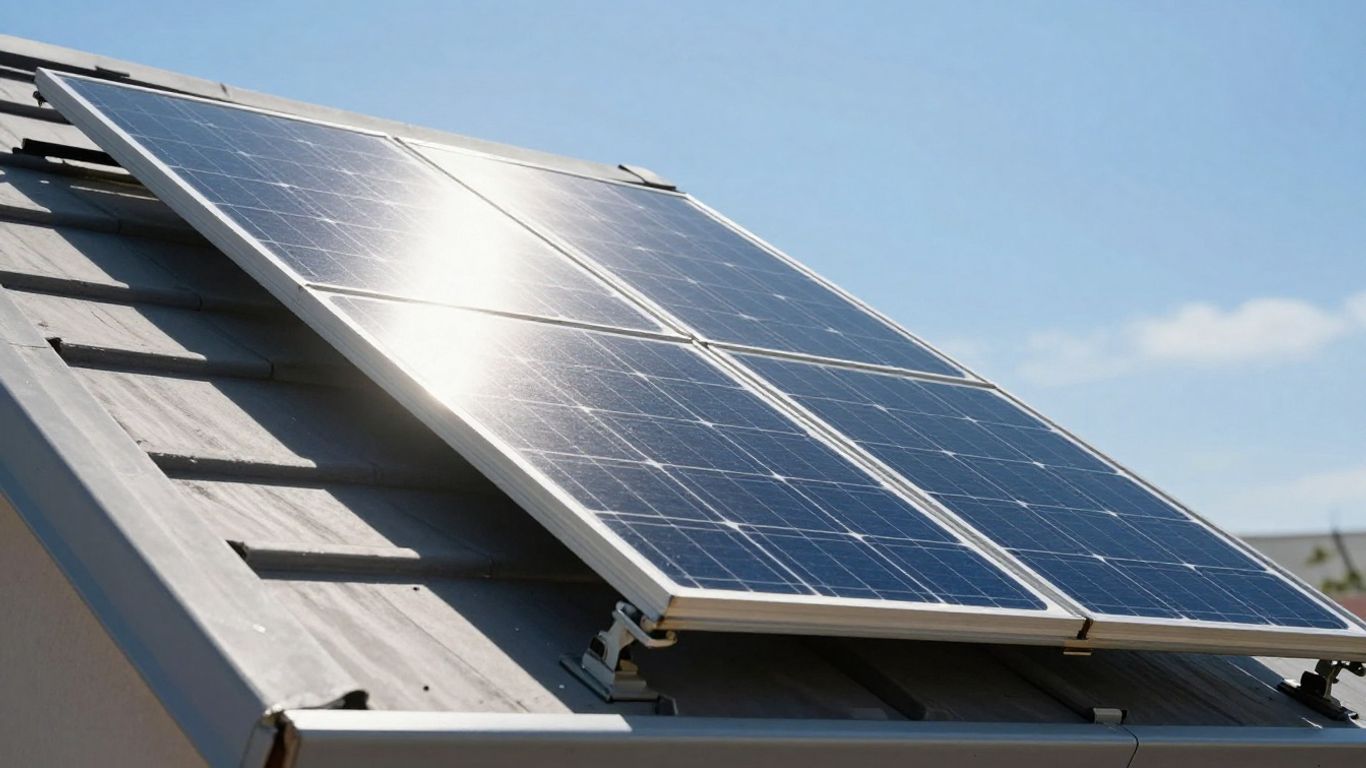
Before embarking on the installation of a plug-and-play solar panel, it is essential to consider the technical and regulatory aspects. These steps, although sometimes perceived as tedious, are crucial to ensure the safety of your installation, its legal compliance, and to avoid any unpleasant surprises.
Mandatory Administrative Procedures: Town Hall and ENEDIS
The installation of a solar system, even in plug-and-play mode, requires declarations. It is imperative to inquire with your town hall as urban planning rules can vary from one municipality to another. In most cases, a prior declaration of works will be required, especially if the installation is fixed to your building and is more than 1.80 meters from the ground. This step allows the town hall to ensure that your project complies with local urban planning regulations. In parallel, a procedure with ENEDIS, the electricity distribution network operator, is mandatory. If your kit plugs directly into an outlet, a simple online declaration is usually sufficient. If the connection is made to the electrical panel, a more formal connection request will be necessary, which may include a certificate of electrical compliance.
Electrical Installation Compliance and Safety Standards
Safety is paramount. It is recommended not to exceed a power of 800 Wp for a connection to a standard outlet, in order to comply with electrical safety standards. Furthermore, a plug-and-play system connected to the public grid will not function in the event of a power outage. This is an essential safety measure for technicians working on the grid. The use of a Linky meter is generally required for this type of installation. To optimize production, choosing a good charge controller is important; MPPT models are more efficient than PWM in most cases, especially in low light conditions choosing the right charge controller.
The Importance of Declaring to Your Insurer
Do not forget to inform your insurer about the installation of your plug-and-play solar panel. This declaration is often overlooked, yet it is fundamental. In the event of a claim (fire, water damage, etc.) where the solar kit is involved, a failure to declare could result in your home insurance not covering it. It is therefore safer to inform your insurer in advance to check any potential impact on your policy and adjust your coverage if necessary. This will provide you with additional peace of mind regarding the protection of your investment and your home.
Choosing and Installing Your Plug-and-Play Solar Panel: Reviews
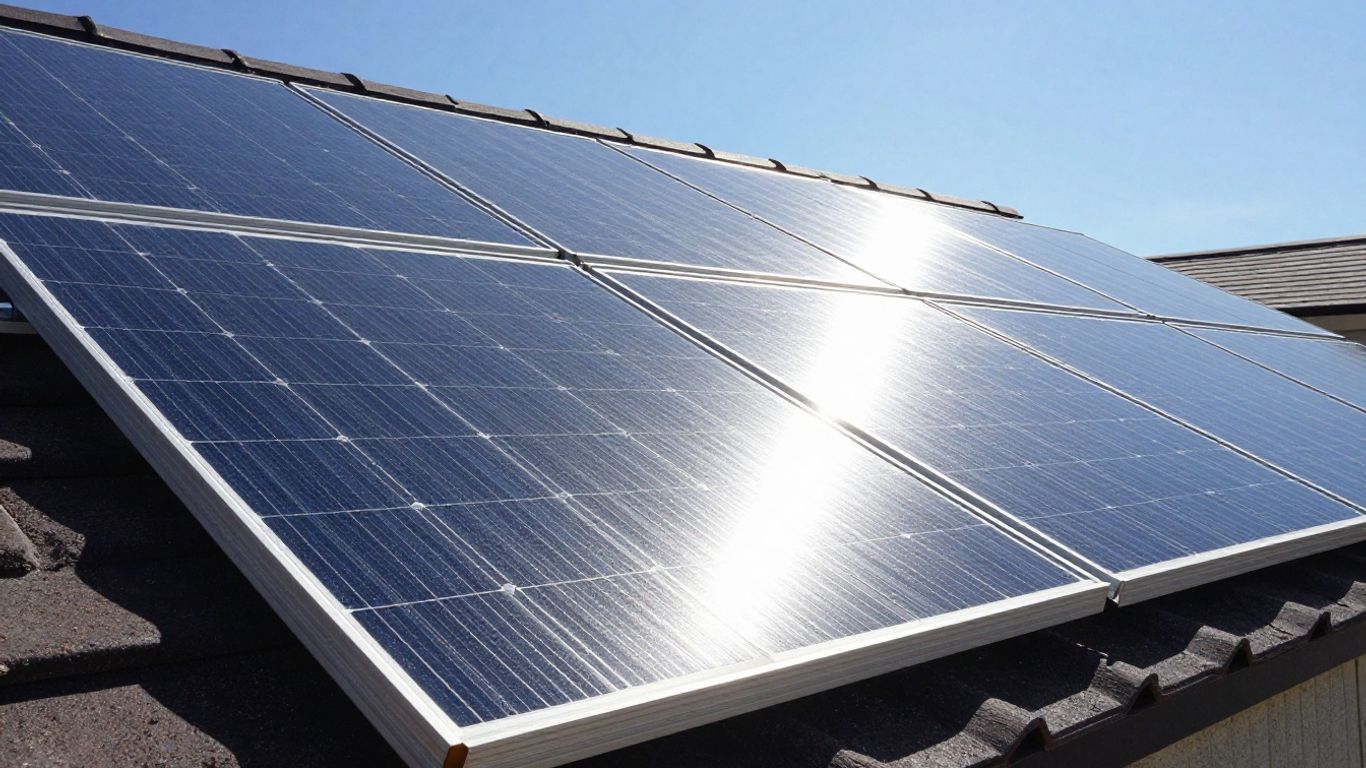
Selection Criteria for a Plug-and-Play Solar Kit
Choosing the right plug-and-play solar kit is a bit like choosing a new home appliance: you need to look at the power, lifespan, and of course, the price. Power, measured in Watts peak (Wp) or kilowatts peak (kWp), gives you an idea of what the panel can produce under ideal conditions. But be careful, just because a kit displays high power doesn’t mean it will necessarily be the most suitable for your needs. You also need to consider the warranty. Solar panels are designed to last, but micro-inverters are more sensitive components. Pay close attention to the warranty period offered for each component. The overall robustness of the kit and its structure is also a point not to be overlooked, especially if you plan to leave it outdoors for many years.
Here are some elements to compare:
- Kit Power: Adapt it to your consumption. A 400 Wp kit is a good starting point for small consumptions.
- Warranties: Favor kits with long warranties, especially for the micro-inverter.
- Quality of Materials: Inquire about the origin of the panels and the solidity of the structure.
- Monitoring Application: A mobile app to track your production can be a plus for detecting potential problems.
It is important to note that the maximum power you can plug into a single electrical outlet is generally limited. Beyond 4 panels, it is often necessary to call on a professional for a direct connection to the electrical panel.
Practical Guide for Roof or Ground Installation
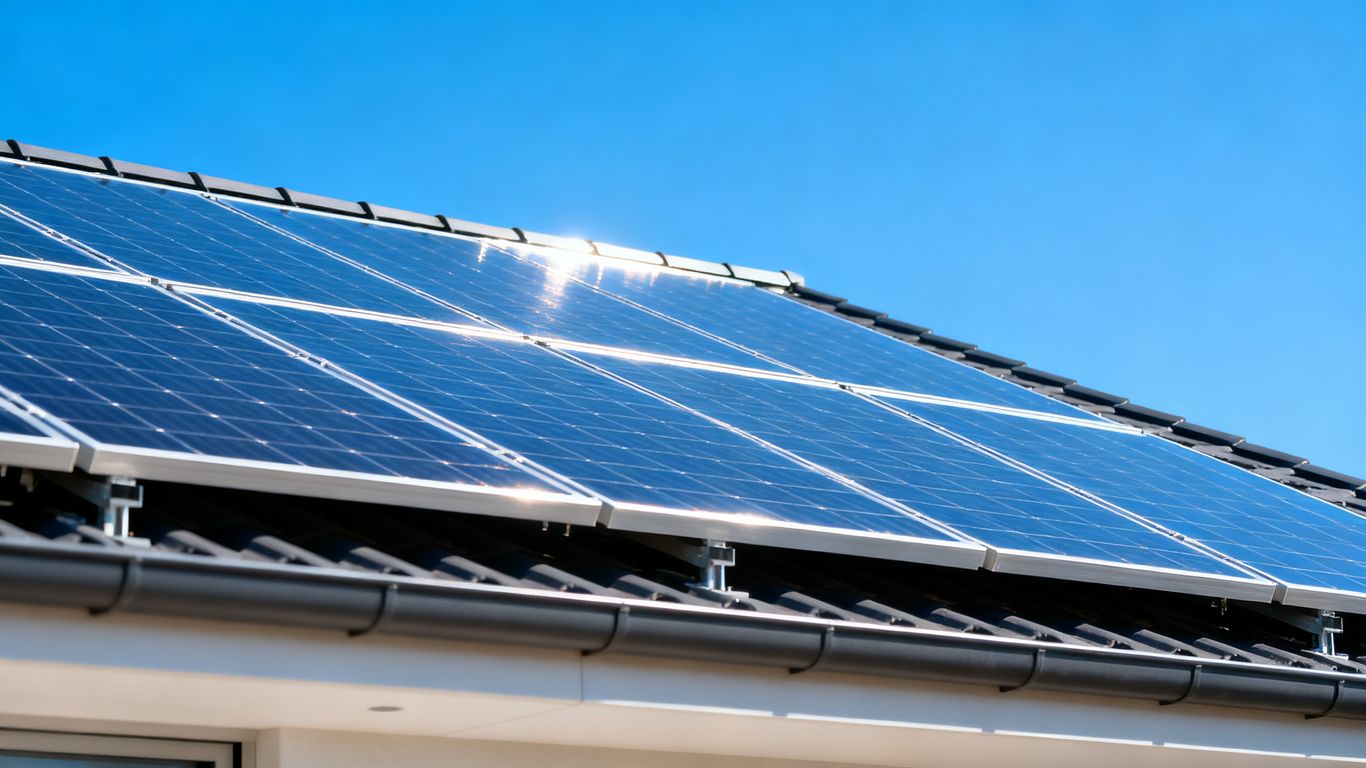
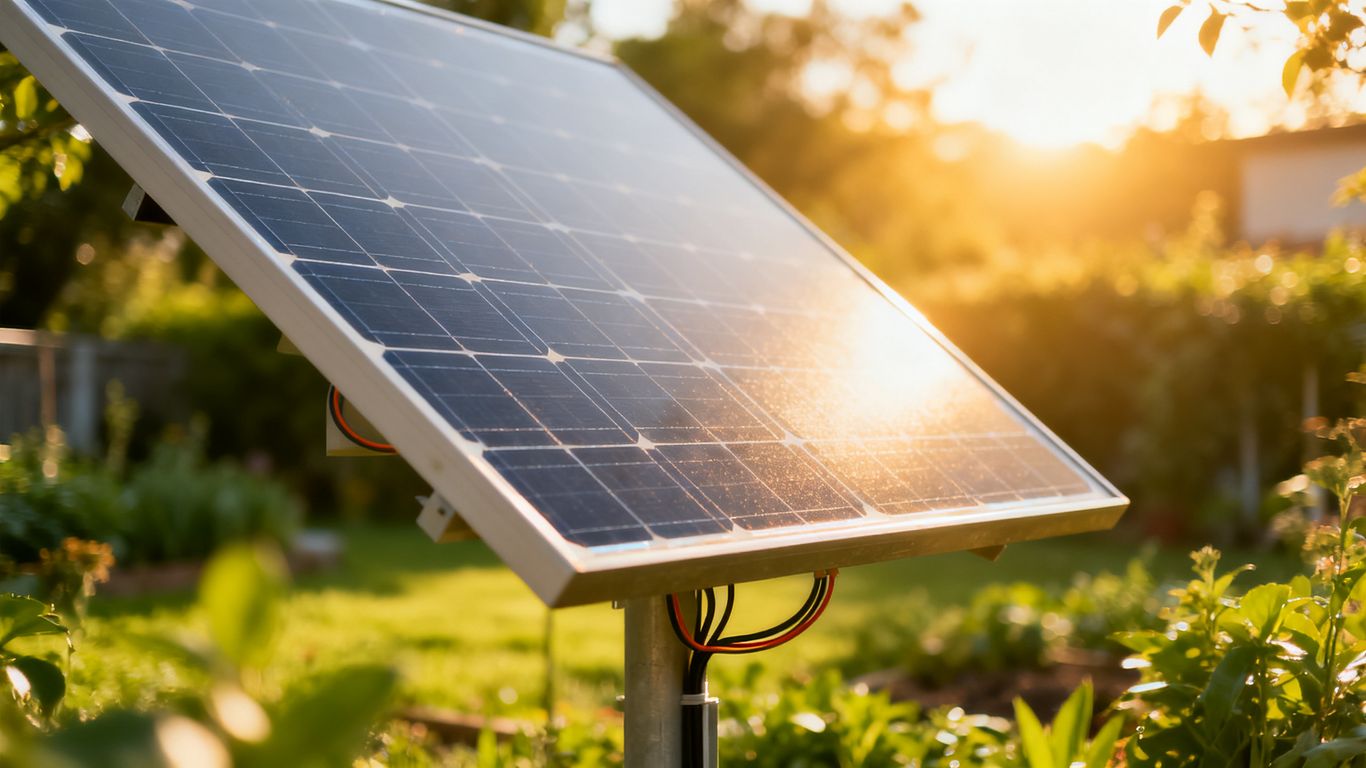
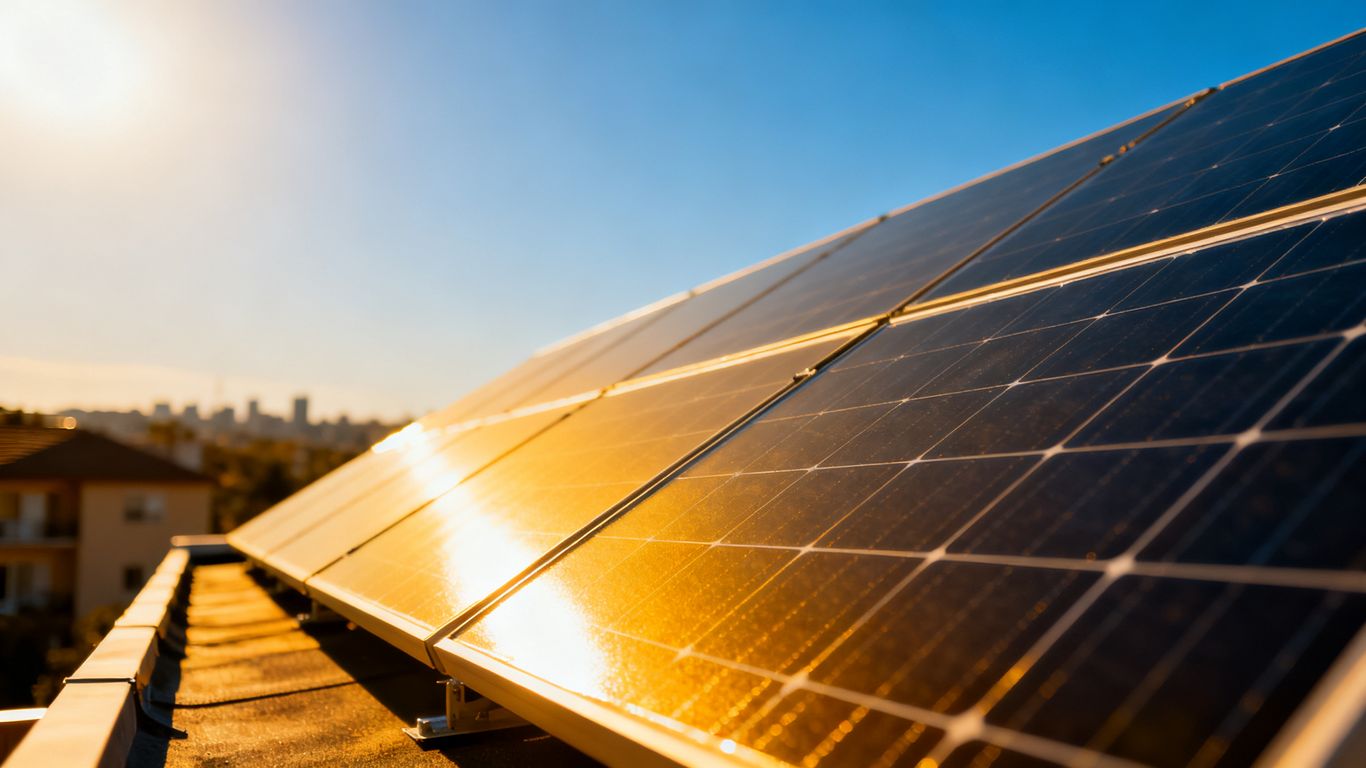
Installing a plug-and-play solar kit may seem daunting, but it is designed to be accessible. Whether on your roof or on the ground, a few key steps need to be followed. First, assess the chosen location: ensure it receives maximum sunlight, ideally without any shade. For a roof installation, check the condition of your roof and its orientation. If you opt for ground installation, make sure you have sufficient clear space. Then, you need to fix the supports, and then install the solar panels on them. The electrical connection is the final step: it generally involves connecting the panel cables to the micro-inverters, and then plugging everything into a dedicated wall socket. A thorough check of all connections before commissioning is essential.
Here are the main steps:
- Preparation: Assess your site (roof or ground), check sunlight exposure, and gather the necessary tools.
- Fixing: Install the mounting supports according to the manufacturer’s instructions.
- Panel Installation: Place the panels on the supports and secure them firmly.
- Connection: Connect the panels to the micro-inverters, then plug the power cable into an electrical outlet.
- Commissioning: Check the connections and activate your system.
For a roof installation, it is sometimes safer to call on a professional, especially if you are not comfortable with working at heights. You can find qualified installers through platforms dedicated to solar energy.
The Importance of Production Monitoring and Maintenance
Once your solar kit is installed, the work is not entirely finished. To get the most out of your installation, it is important to monitor its electricity production. Most modern kits are equipped with applications that allow you to view the amount of energy produced in real-time. This is an excellent way to verify that everything is working as expected and to quickly detect a drop in performance that could indicate a problem. Maintenance, on the other hand, is generally quite simple for plug-and-play systems. Occasional cleaning of the panels, especially if they are exposed to dust or pollution, can be enough to maintain optimal production. Also, remember to periodically check the condition of the fixings and cables. Good monitoring allows you to maximize your return on investment and extend the lifespan of your installation.
Limitations and Disadvantages of Plug-and-Play Solar Panels: Reviews
While plug-and-play solar panels offer many advantages in terms of simplicity and accessibility, it is important to consider their limitations before you start. These systems, designed to be easy to install, are not suitable for all situations and consumption patterns.
Restrictions on Selling Surplus Production
One of the points not to be overlooked is the sale of surplus electricity that you might produce. Plug-and-play solar kits, due to their design and often limited power, are generally not designed to inject a significant amount of energy into the public grid. In most cases, the electricity produced is intended for direct self-consumption. If you produce more than you consume at a given moment, this excess is often lost, as the procedures for selling it are complex and not well-suited to these small installations. It is therefore essential to carefully assess your consumption to maximize the use of your solar production.
Cost and Complexity of Systems with Batteries
If the idea of total energy independence appeals to you, adding a battery to your plug-and-play system may seem like a logical solution. However, this configuration radically transforms the initial simplicity of the concept. Integrating a storage battery significantly increases the total installation cost. Furthermore, it adds a layer of technical complexity, often requiring additional components and finer energy management. The profitability of the whole then becomes more difficult to achieve, as the additional cost of the battery must be amortized by the savings made, which can take much longer. You must carefully weigh whether the additional investment justifies the benefit of using solar energy at night.
Component Reliability and Warranties Offered
As with any equipment, component reliability is a legitimate concern. Plug-and-play solar kits are made up of several elements: panels, micro-inverter, wiring, and mounting system. It is important to inquire about the quality and durability of each part. Warranties offered by manufacturers vary, and it can sometimes be difficult to obtain clear information, especially for younger companies on the market. A short warranty on the micro-inverter, for example, could mean a costly replacement to anticipate in the future. Therefore, carefully examining the warranty conditions and brand reputation is a crucial step before purchasing. You can consult comparisons to help you choose the best plug-and-play solar kit suitable for your needs.
Reviews and User Experiences with Plug-and-Play Solar Kits
Comparative Analysis of Different Kits and Brands
When considering the purchase of a plug-and-play solar kit, it is natural to want to consult reviews and user experiences. Several brands stand out in the market, each with its specificities. Sunethic, for example, is often cited for the quality of its products, particularly its French-made panels, and shows good performance. Users generally appreciate the robustness and value for money of their offers. Sunology, on the other hand, offers solutions with panels of Chinese origin, which can be attractive for their lower initial cost, allowing savings on electricity bills. Ease of installation and satisfactory performance are often mentioned in reviews for Sunology. It is important to note that for installations on pitched roofs, Sunology may direct you to partner installers, with quotes that can be more substantial.
User Satisfaction and Points of Vigilance
Overall user satisfaction with plug-and-play solar kits is often linked to the ease of implementation and the savings achieved on electricity bills. The promise of an accessible installation for everyone is a strong argument. However, it is important to remain vigilant on certain points. The advertised power corresponds to ideal conditions; actual production may vary. The lifespan and reliability of components, especially the micro-inverter, are factors to consider carefully, as is the quality of after-sales service. Production monitoring applications are also a point of satisfaction for many, as they allow visualization of gains and detection of potential malfunctions. It should also be kept in mind that selling surplus production is generally not possible with these systems, which are designed for direct self-consumption. The initial investment, although lower than a traditional installation, must be weighed against the expected long-term savings. For a first approach to solar energy, these kits represent an interesting option to reduce your consumption.
The Role of Professionals and Support Platforms
Although plug-and-play solar kits are designed for installation by individuals, professional advice can be useful, particularly for validating the choice of equipment or for specific questions related to your domestic electrical installation. Independent platforms, such as those that conduct comparative tests, can offer valuable insight into the actual performance and reliability of the different models available. Consulting these analyses can help you make an informed choice and avoid unpleasant surprises. Do not hesitate to inquire about the warranties offered by manufacturers and to compare offers. The goal is to find a kit that meets your specific needs and provides you with real long-term satisfaction, allowing you to produce your own electricity at a lower cost.
Conclusion
In summary, the plug-and-play solar panel represents an accessible and relatively simple renewable energy solution for many households. It is particularly relevant for those looking to reduce their electricity consumption without undertaking complex work. However, it is essential to carefully assess your needs, understand the administrative and regulatory procedures, and choose a quality kit. Although the absence of surplus sales and the limitations of battery systems are to be considered, the benefits in terms of energy independence and bill reduction can be significant. A well-thought-out installation and a good understanding of reviews on different kits will allow you to fully enjoy the benefits of solar energy.
Frequently Asked Questions
What is a plug-and-play solar panel?
It’s an easy-to-install solar kit. It includes panels, a small device called a micro-inverter, and a cable to plug it directly into an electrical outlet in your home. It’s like plugging in a home appliance, but producing your own electricity.
Can I install a plug-and-play solar panel myself?
Yes, it’s entirely possible. These kits are designed to be assembled by individuals. You just need to follow the provided instructions. Sometimes, it’s recommended to get help for fixing it at height, like on a roof.
Do I need a professional to install this type of panel?
For most plug-and-play kits, no. You can do it yourself. However, if you are installing a large number of panels or want a more complex connection, hiring a professional can be a good idea to ensure everything is done correctly and safely.
Do I need to complete administrative procedures for my plug-and-play solar panel?
Yes, even if it’s simple, you need to inform the town hall and the electricity grid operator, ENEDIS. It’s a requirement for your installation to be compliant. The process is usually explained in the kit’s manual.
Can I sell the excess electricity I produce?
Generally, with plug-and-play kits plugged into a simple outlet, you cannot sell the electricity you don’t consume. It is simply fed back into the grid. To sell it, you often need a more complex system and a direct connection to the electrical panel.
Does this system work when there is no sun or at night?
No, the solar panel only produces electricity when there is sun. If you need electricity at night or when it’s cloudy, you will use the regular electricity from your provider. Some kits offer batteries to store daytime energy for nighttime use, but this is more expensive.