Are you going to build a new home and keep hearing everyone talk about RT2020? It must be said that this regulation changes quite a few things, especially if you’re thinking about installing solar panels. No need to be an engineer to understand, but there are a few important points to know before getting started. Let’s go through together the main principles, requirements, and especially the role of solar energy in all of this. Follow the guide—it’ll help you avoid a lot of surprises!
Key Points to Remember
- RT2020 imposes new standards to limit energy consumption and CO2 emissions in new constructions.
- Solar energy, although not mandatory, has become nearly essential to meet the thresholds set by RT2020.
- RT2020 requirements are gradually evolving: the thresholds become stricter until 2031, depending on the type of building.
- Installing solar panels can improve your home’s energy rating, while also reducing your bills.
- To stay compliant, it’s better to get help from professionals: solar equipment must meet precise criteria and be validated by specialized organizations.
Founding Principles of RT2020 for New Constructions
Performance and Environmental Objectives
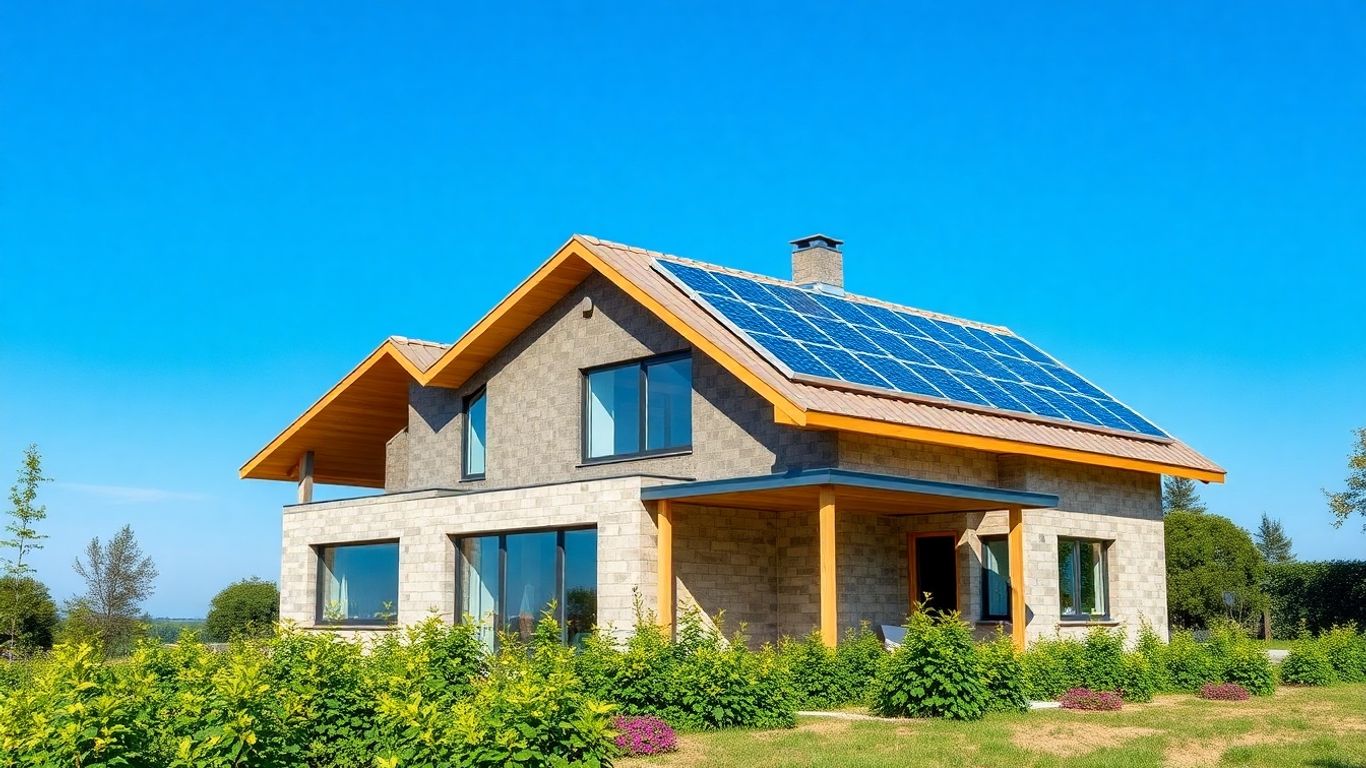
With RT2020, you are invited to rethink construction to meet specific objectives: limiting energy consumption and reducing the building’s environmental impact throughout its entire life cycle. RT2020 requires every new construction to produce more energy than it consumes. This shifts from the low-energy building to the positive energy building (BEPOS). This requires a detailed analysis of thermal performance and a global carbon assessment, covering from the sourcing of materials to the building’s end of life.
- Energy needs for heating, cooling, hot water, and lighting are strictly monitored.
- CO2 impact is integrated from the design phase.
- Solutions like solar become almost indispensable for meeting these standards, as explained on the page about bioclimatic and passive houses.
New Approach to Summer Comfort
One of the major innovations is the integration of an indicator related to summer comfort. Homes must remain livable even during long heat waves, without necessarily relying on artificial air conditioning. Insulation, orientation of openings, and enhanced ventilation become key points.
- Limit overheating during prolonged summer periods.
- Use materials with high thermal inertia to smooth out heat peaks.
- Natural ventilation is encouraged, adapted to the regional climate.
You will now have to anticipate from the design phase all possible heat sources so that the home remains comfortable, even at the height of summer.
Encouragement of Energy Sobriety
RT2020 also invites you to rethink consumption habits and equipment choices. Energy sobriety is no longer just a recommendation; it’s a concrete goal.
Here are the main levers recommended:
- Reduce all energy waste, from choosing appliances to daily use.
- Favor efficient installations, prioritizing effectiveness before adding new energy sources.
- Adopt connected equipment and sustainable materials suited to the expected performance.
The ultimate aim is simple: ensure that each square meter built uses just what it needs—nothing more. You can find further details about the transition imposed by RE2020 and its impact on the industry.
| Key Principle | Summary Description |
|---|---|
| Positive Energy | More production than consumption |
| Low Carbon | Reduced CO2 impacts of the building |
| Summer Comfort | Limited overheating without air conditioning |
Simply put, building under RT2020 means adopting a forward-thinking vision: every new home must become a model of energy sobriety, comfort in every season, and minimize its impact on the environment.
Regulatory Requirements Imposed by RT2020
RT2020, also called Environmental Regulation 2020, profoundly changes the requirements imposed on new constructions. It’s no longer just about energy savings, but also about environmental impact, with standards affecting the entire building life cycle. The focus is now on overall quality and limiting the carbon footprint.
Requirements for the Building’s Carbon Footprint
To limit pollution produced by buildings, RT2020 introduces a carbon footprint indicator. This accounts for the entire life of the building:
- Materials used in construction (origin, processing, transport)
- Construction methods
- Operation, renovation, and even demolition
The regulation sets maximum CO2 emission thresholds not to be exceeded for each type of construction.
| Type of Building | Maximum CO2 Threshold (kgCO2/m²/year) |
|---|---|
| New housing | 4 to 5 |
| Offices | 6 to 7 |
Construction professionals must now justify a low carbon footprint for their projects from the design phase. This implies careful material selection.
Application Timelines According to Building Type
The start of RT2020 depends on the building’s use.
- Since January 2022:
- All new housing (houses, apartments)
- Since January 2023:
- Offices and school buildings
- 2024:
- Other tertiary buildings and extensions, temporary buildings
Note that certain specific types of buildings fall under alternative regulations.
Progressive Tightening of Regulatory Thresholds
Unlike previous regulations, RT2020 states that the regulatory thresholds will become stricter over time. Here’s what to anticipate:
- Regular review of CO2 emission ceilings
- Adjusted calculation methods to incorporate new parameters (life cycle analysis, consideration of green electricity)
- Increased monitoring of performance after the building is delivered
This means you should anticipate an additional margin from the start, so you remain compliant despite changing standards.
In summary, RT2020 requires more thorough processes, strong anticipation, and serious monitoring of environmental impact throughout the building’s entire lifespan.
The Role of Solar Energy in RT2020 Regulation
Eligible Types of Solar Installations
To meet the requirements of RT2020, you have several types of solar installations available. The regulation does not make solar panels mandatory, but their integration greatly facilitates meeting the required energy thresholds. Here are the main systems that can be installed:
- Photovoltaic panels for electricity production
- Solar water heaters for domestic hot water
- Hybrid systems (electricity and heat)
Each of these solutions should be adapted to the building’s configuration and your actual needs, considering the available roof or façade areas.
Solar’s Contribution to Achieving BEPOS Label
To achieve the Positive Energy Building (BEPOS) label, integrating solar solutions is, in most cases, unavoidable. In fact, producing more energy than you consume often goes through photovoltaic production. This covers both typical domestic uses and new electrical needs (networks, home automation, multimedia). Here are a few key points:
- Use of solar to offset all energy uses (heating, appliances, lighting…)
- Reduction of the building’s overall carbon footprint
- Facilitation of obtaining a favorable Energy Performance Certificate (DPE)
If your project aims for an energy-efficient new house, installing solar panels makes it much easier to meet regulatory requirements without adding technical constraints.
Advantages of Solar Self-Consumption for RT2020 Compliance
Self-consumption means directly using the energy you produce from your own panels, without sending it all to the public grid. This solution brings very practical benefits for compliance:
- Reduced annual energy bills
- Easy compliance with the neutral energy requirement (0 kWh/m²/year)
- Decreased use of high CO2 emission equipment
- Increase in the property value of the home
| Criterion | With Self-Consumption | Without Self-Consumption |
|---|---|---|
| Grid Consumption | Low | High |
| CO2 Emissions | Low | Medium |
| Ease of Achieving BEPOS Label | High | Uncertain |
Adopting solar energy therefore strengthens your future building’s compliance and supports a sustainable approach.
Technical Specifics and Equipment Choices for RT2020 Compliance
To build according to RT2020, you can no longer settle for just basic insulation or installing a few solar panels. Every technical detail counts to achieve a positive energy building. Here’s what you need to know to make the right choices and stay compliant.
Selecting Compatible Materials and Equipment
Today, it’s not just about saving energy—you also need to focus on materials that reduce carbon impact. Wood, bio-sourced materials, and geo-sourced solutions (like raw earth or stone) are clearly encouraged. Regarding equipment, it needs to be highly energy-efficient, whether for heating, hot water, or even appliances.
- Choose materials with a low carbon footprint.
- Incorporate optimized heating and hot water systems (heat pumps, solar thermal panels).
- Select A+++ rated appliances.
To comply with RT2020, plan each space’s needs from the start, so you don’t oversize equipment and avoid extra costs.
Importance of Insulation and Air Management
Thermal insulation remains fundamental, but it’s not enough anymore. Now, air management (ventilation, airtightness) is key for minimizing losses and ensuring indoor air quality.
Here are the main focus areas:
- Insulation of walls, roofs, floors, but also problem points (thermal bridges).
- Double-flow ventilation to avoid losses while renewing air.
- Treatment of air leaks and mandatory airtightness testing at project completion.
| Criterion | RT2012 | RT2020 |
|---|---|---|
| Insulation | Reinforced | Optimized + low-carbon materials |
| Ventilation | Single/Double | Double flow with recovery |
| Air Tightness | Simple check | Mandatory final test |
Photovoltaic Installation Validation Criteria
Installing solar panels isn’t enough; they must be suited, sized, and validated according to strict criteria:
- Electricity production equal to or greater than the building’s annual consumption.
- Optimized connection to the grid and production monitoring equipment.
- Compliance with architectural integration rules (roof slope, orientation, etc.).
The success of an RT2020-certified project depends on precise work from the start, careful selection of high-performance equipment, and flawless execution. Solar is an essential lever if you aim for BEPOS.
Key Differences Between RT2012 and RT2020 in Solar Integration
Evolution of Energy Performance Criteria
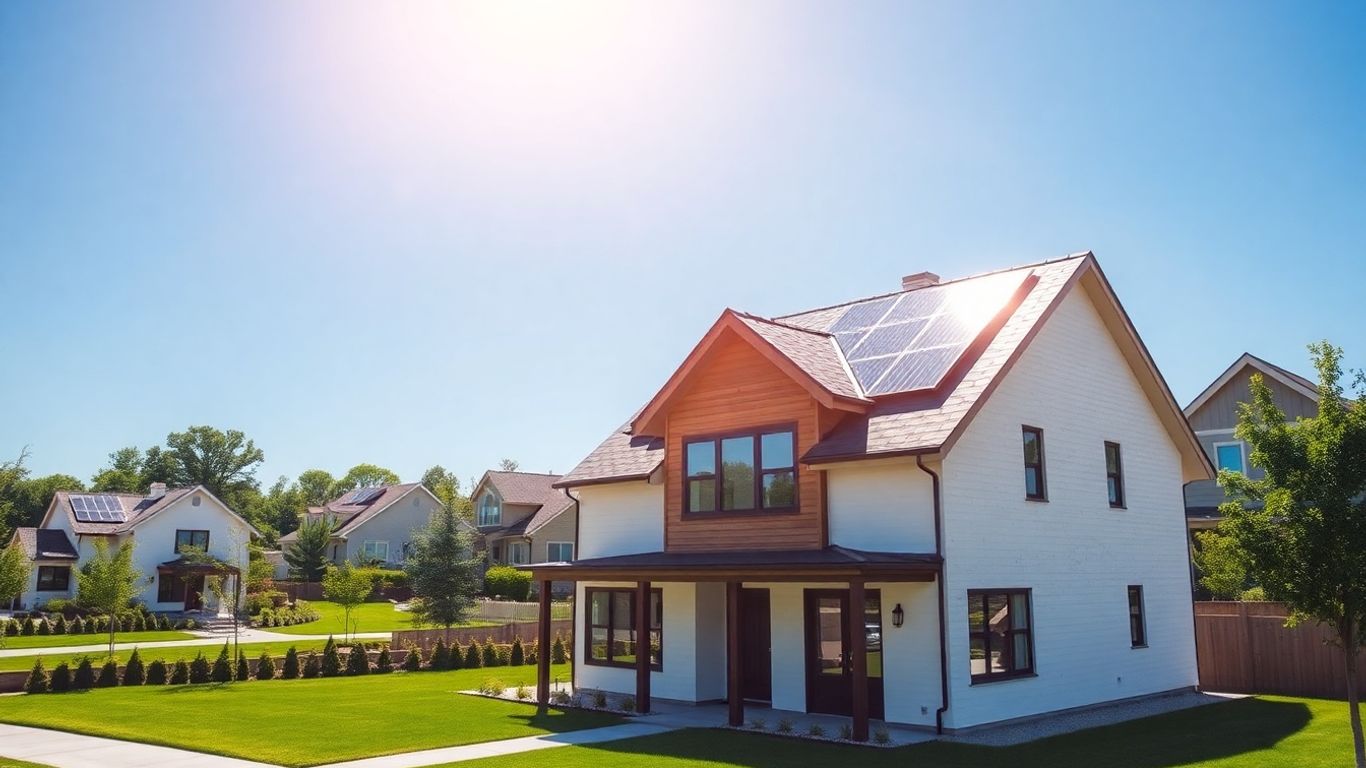
With RT2020, the reference for energy efficiency has been completely revamped. You move from a Low Energy Building (BBC) target under RT2012, aiming for a maximum consumption of 50 kWh/m²/year, to the goal of a Positive Energy Building (BEPOS). Each new construction must generate more energy than it consumes. Photovoltaic solar becomes almost essential for this standard, as it easily compensates for domestic uses like appliances or multimedia, which are no longer ignored in the overall calculation.
| Criterion | RT2012 (old standard) | RT2020 (new standard) |
|---|---|---|
| Energy Consumption Limit | 50 kWh/m²/year max | 0 kWh/m²/year or positive balance |
| Energy Rating | BBC only | BEPOS mandatory |
| Solar | Recommended, not required | Strongly recommended, almost systematic |
This new regulatory framework pushes you to design homes that actively produce green energy, with solar as the key solution.
New Applicable CO2 Emission Thresholds
The transition to RT2020 goes beyond just the thermal aspect: it now includes a detailed analysis of greenhouse gas emissions over the whole building life cycle. This accounting for carbon emissions, from construction to end of life, increases the value of photovoltaic solar due to its long-term low impact.
Here’s what sets RT2020 apart:
- Annual CO2 thresholds are imposed for each type of building
- The use of renewable solutions, including solar, significantly reduces the global carbon footprint
- The choice of materials and equipment must prioritize low CO2 emission
These measures encourage the development of truly environmentally oriented housing, moving beyond just low consumption as required by RT2012. For a summarized presentation of these requirements, RE2020 emphasizes the environmental aspect of the regulations compared to the old standard.
Inclusion of the Solar Panel Life Cycle
With RT2020, it’s no longer enough to install an efficient solar system: the regulation now examines the complete life cycle of solar panels. All stages, from manufacturing to recycling, are included in the calculation of environmental impacts.
This specifically involves:
- Preference for panels with low carbon footprint from production
- Evaluating the expected lifespan of equipment
- Incorporating end-of-use dismantling and recycling scenarios
So you’ll notice that the choice of a solar system becomes even more strategic. The more sustainable its design, the better it will comply with the new regulation. These changes make RE2020 more demanding and suited to environmentally respectful construction, whereas RT2012 was limited to a thermal and partial view of the house equipped to the new environmental standards.
Financial Incentives and Profitability of Solar Installations under RT2020
The integration of solar in new constructions under RT2020 comes with a range of financial incentives and support mechanisms to encourage self-consumption and ensure the profitability of installations.
Financial Support for Photovoltaic Self-Consumption
Several programs are available to reduce your out-of-pocket expenses when installing solar panels:
- MaPrimeRénov’: a grant available for individuals installing photovoltaics on their primary residence.
- Self-consumption bonus: paid over several installments, it depends on the installed capacity and encourages direct use of produced energy.
- CEE grant (Energy Savings Certificates): incentive to reduce energy consumption.
- Reduced VAT to 10% on equipment ≤ 3 kWc.
- Zero-interest eco-loan (éco-PTZ): a loan to finance the work interest-free.
- Possible support from local authorities (note: not cumulative with the self-consumption bonus).
| Support | Type of Aid | Limit/Frequency |
|---|---|---|
| MaPrimeRénov’ | Lump sum grant | According to schedule |
| Self-consumption bonus | Bonus over 5 years | Based on installed capacity |
| Reduced VAT | Reduced rate on invoice | 10% for ≤ 3 kWc |
| Eco-PTZ | Interest-free loan | Up to €30,000 |
The combination of these aids makes the solar option, especially self-consumption, more affordable for any building subject to RT2020.
Cost Reduction through Energy Savings
Installing solar panels allows you to make substantial savings on your electricity bills, thanks to local production and reduced dependency on the grid.
- Immediate reduction of electricity purchased from the grid.
- Possible sale of surplus, generating additional income guaranteed by the government for 20 years.
- Stability against energy price volatility.
| Installed capacity | Typical self-consumption rate | Estimated average annual gain |
|---|---|---|
| 3 kWc | 25% | €300-450 |
| 6 kWc | 35% | €500-900 |
| 9 kWc | 40% | €900-1200 |
Savings increase over the years, as solar production offsets the rising price per kWh purchased.
Enhancing the DPE of New Buildings
Solar production boosts the Energy Performance Certificate (DPE) rating of new buildings. Under RT2020, achieving good energy classes is only possible by limiting your carbon footprint and using renewable energy:
- Improvement in the DPE score, making your property more attractive for resale.
- Easier access to energy labels (BEPOS, E+C-).
- Increase in the property value of the home.
In short, investing in solar under RT2020 isn’t just promoted by the available support—it’s also part of a long-term profitability logic and increases the value of your asset.
The Role of Professionals in RT2020 and Solar Compliance
Implementing RT2020 completely changes how you approach a new construction project, especially with integrating solar. Surrounding yourself with qualified professionals is essential at every step to guarantee regulatory compliance of your work.
Support from Specialized Engineering Offices
A technical engineering office specializing in environmental regulation will be very helpful from the design phase. You’ll work together to:
- Plan the integration of solar installations into the building from the beginning,
- Size the equipment according to the building’s exact configuration and uses,
- Simulate different energy scenarios to choose the best option.
An initial meeting often allows you to set the strategy and identify your technical or budget constraints. The engineering office will also explain the specific RT2020 requirements, especially regarding the carbon footprint.
By getting support from the design stage, you avoid costly adjustments and unpleasant surprises at the building permit application.
Certification and Quality Control for Solar Installations
To validate RT2020 compliance, installed solar equipment must meet all regulatory criteria. This involves:
- Choosing certified installers, holding certifications like QualiPV or RGE,
- Systematic post-installation inspections to ensure correct setup,
- Provision of official documents proving the system’s actual energy efficiency (test reports, installation certificates, technical sheets).
The table below summarizes commonly required certifications:
| Actor Type | Essential Certification |
|---|---|
| Photovoltaic Installer | QualiPV, RGE |
| Thermal Engineering Office | OPQIBI, RGE Studies |
| Construction Auditor | Recognized Environmental Guarantor |
If non-compliance is found during inspections, work may need to be redone, causing considerable delays to the project’s completion.
Supporting the Design of Positive Energy Buildings
The professional will also guide you to achieve a BEPOS (Positive Energy Building) target, matching RT2020 expectations. Their support consists of several actions:
- Advice on choosing the right solar panels (efficiency, area, orientation),
- Optimization of overall energy management (self-consumption, storage, sale of electricity),
- Recommendations on insulation and ventilation solutions,
- Preparation of administrative paperwork and applications for financial aid.
This partnership saves you time, reduces the risk of mistakes, and ensures your property’s value in the new housing market.
Conclusion
In conclusion, RE2020 marks an important step for new builds in France. You are now invited to rethink how you design your home, integrating more environmentally friendly solutions. Although installing solar panels is not strictly mandatory, it remains a wise choice to improve your home’s energy performance and reduce your bills. The steps may seem complex at first, but they make sense in the long run, with tangible benefits for you and the planet. By following these new standards, you contribute to a more sustainable future while adding value to your real estate. Take the time to get well informed and discuss with qualified professionals to make the right choices from the design stage of your project.
Frequently Asked Questions (FAQ)
Does RT2020 require the installation of solar panels on new buildings?
No, RT2020 (or RE2020) does not make solar panels mandatory. However, installing solar panels on your home greatly helps to meet the new standards. It also lets you produce your own electricity and reduce your bills.
Which buildings are affected by RT2020?
RT2020 applies to all new buildings whose building permit was filed after January 1, 2022. This includes single-family homes, multi-unit housing, offices, and some school buildings. Rules differ according to building type and the date the permit was filed.
How is RT2020 different from RT2012 for solar energy?
RT2020 is stricter than RT2012. It asks for even greater reductions in energy use and carbon footprint. Solar plays a bigger role because producing energy on-site, such as with photovoltaic panels, helps achieve the new performance objectives.
What are the benefits of solar self-consumption under RT2020?
Solar self-consumption lets you directly use the energy produced by your panels. This makes your home greener and helps you comply with the RT2020 rules. Plus, you save on your energy bills and increase your property’s value.
Are there incentives for installing solar panels with RT2020?
Yes, there are several financial incentives. You can get a bonus for self-consumption, favorable rates for reselling your electricity, or even local aid. These supports make the investment more profitable and accessible.
Why is it important to use a professional for RT2020-compliant solar installations?
A professional knows the RT2020 regulations and will select the right equipment. They ensure the installation is properly done and follows the standards. They can also help you get financial aid and a good Energy Performance Certificate (DPE).