Key Takeaways
Adopting a photovoltaic solution requires a structured approach and a thorough understanding of the current market to ensure maximum daily efficiency while sustainably reducing energy costs.
- The choice of a solar kit primarily depends on your actual consumption.
- Self-consumption reduces grid-related bills.
- Profitability is optimized with financial aid for conversion.
- A compliant installation is essential for electrical safety.
- Monitoring production data ensures long-term performance.
How Solar Kits Work and Their Types
Understanding the mechanics of solar production is essential for any user wishing to engage in energy transition. The shift to clean production relies on the effective integration of components chosen for their reliability, transforming irradiation into usable current, a method that the Millennium Digital agency rigorously applies in its data optimization strategies.
Difference Between Total Self-Consumption and Selling Surplus
Total self-consumption means you use all the electricity produced by your panels. Conversely, the option to sell surplus energy involves feeding unused energy back into the public grid, which generates an additional income stream and amortizes your initial equipment more quickly.
Typical Kit Components: Panels, Micro-inverters, and Mounting Systems
A standard installation for individuals or small businesses should consist of robust and interoperable components. To simplify, here are the essential elements grouped together to ensure quick and functional setup:
- High-efficiency photovoltaic panels.
- Micro-inverters for current conversion.
- Rails and fixings adapted to the support (roof or ground).
- Standardized cabling and electrical protection.
- Monitoring gateway for remote tracking.
Advantages of Plug-and-Play Format Over Complex Installations
The plug-and-play format is often favored for its simplicity, requiring no major roofing work while offering an effective alternative for beginners. Unlike complex integrated systems that demand advanced technical skills, these solutions allow you to connect your solar kit directly to an existing home electrical system.
Market Analysis and Solar Kit Pricing in 2026
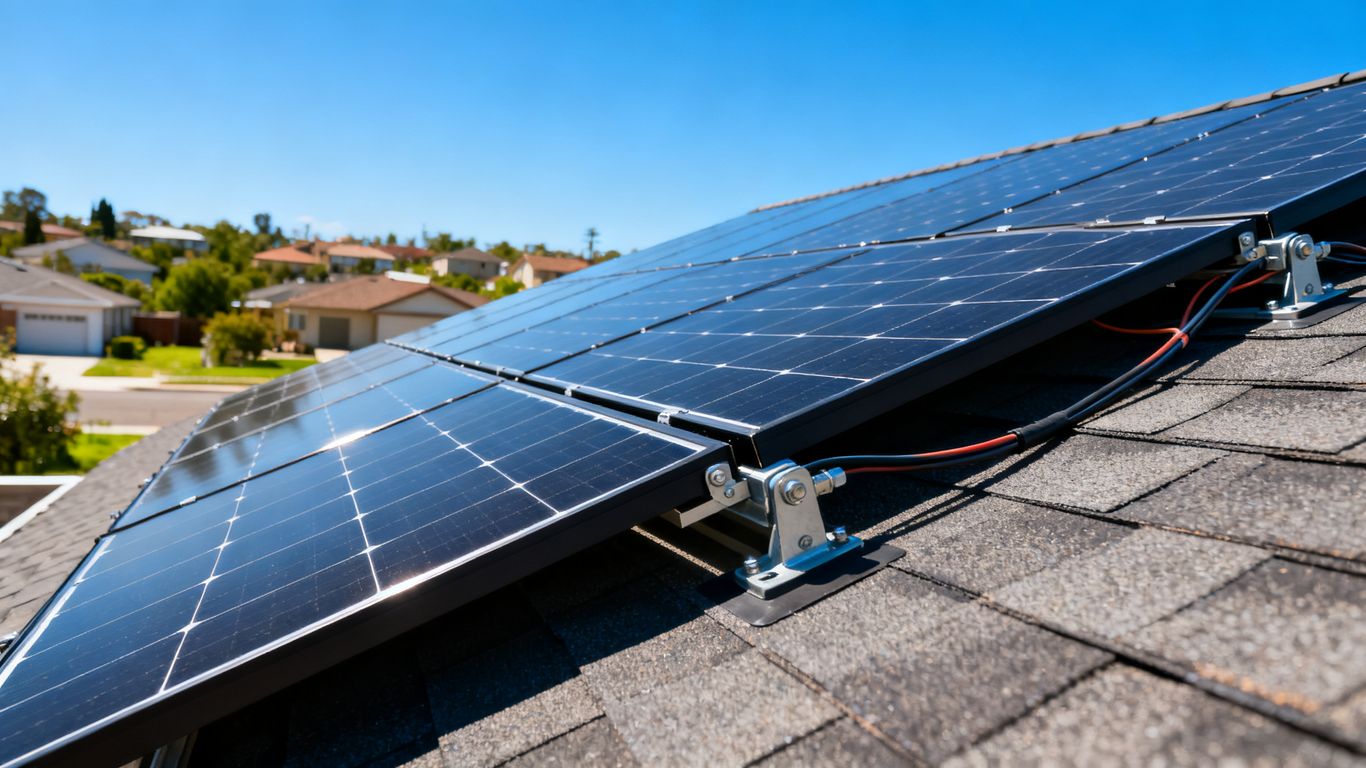
The global market is undergoing a significant transformation this year thanks to the widespread adoption of new alloys and a better-structured supply chain. By adopting a data-driven approach based on performance analysis, individuals can now identify solutions offering the best value for money without compromising the long-term durability of their initial investment.
Price Range by Installed Capacity
| Installed Capacity | Estimated Price Range | Recommended Use |
|---|---|---|
| 500 Wc | €600 – €900 | Supplemental, balconies |
| 3 kWc | €3,500 – €5,500 | Energy-efficient home |
| 6 kWc | €7,500 – €11,000 | Family, electric heating |
Factors Influencing Total Cost: Material Quality and Cell Technology
The final price primarily depends on the efficiency of the photovoltaic cells used, with a strong trend towards TOPCon or bifacial technologies that improve light capture. It is therefore necessary to prioritize certified components, thus avoiding the extra costs associated with premature replacement of inverters or connectors.
Evolution of Solar Component Prices in the Current Market
Prices for cells and inverters have stabilized after several years of volatility, making investment more predictable for households. This technological maturity encourages comparing offers on specialized platforms, such as those that often provide solar kit comparisons to guide choices based on budget.
Financial Aid and Support Programs in 2026
The legislative framework remains favorable for the deployment of solar energy, with financial support designed to encourage electrical autonomy. This aid, available based on income and geographic location, can significantly reduce the final bill while promoting the development of renewable energy.
Self-Consumption Bonus: Eligibility Conditions and Amounts
The self-consumption bonus is paid in a single installment to homeowners who use RGE-certified professionals for the installation of their equipment. The amount varies based on the total installed capacity, making it essential to simulate your project beforehand to incorporate this resource into your return on investment calculation.
Electricity Purchase Rate for Selling Surplus
In case of surplus, the purchase rate is guaranteed for twenty years by the grid operator, offering long-term financial visibility. This specific contract secures your income and makes the project even more attractive for those looking to optimize their property management.
Local Aid and Territorial Collectivities: How to Get Information
Additionally, many local authorities offer direct subsidies that can be combined with national aid. It is advisable to consult the ADEME website or housing information centers to identify specific aid available in your municipality, thus facilitating access to a profitable photovoltaic project.
Evaluating Profitability and Return on Investment Time
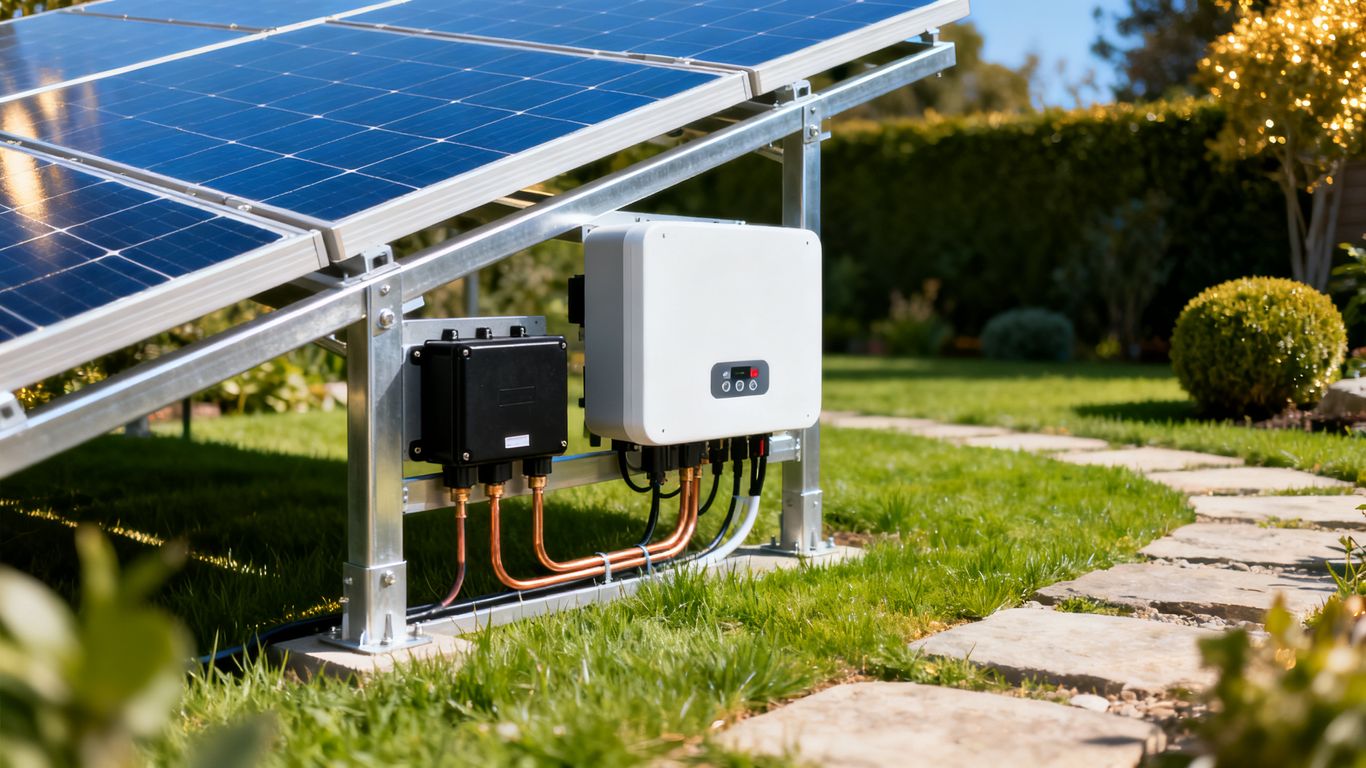
Calculating the viability of your project requires analyzing not only the material cost but, more importantly, the net gain calculated over time. Rigorous planning allows for maximizing every kWh produced, a fundamental principle also at Millennium Digital when it comes to structuring B2B lead growth with surgical precision.
Calculating Your Annual Electricity Bill Savings
To estimate your savings, subtract the remaining annual grid consumption from your current reference consumption. Multiplying this by your supplier’s rate after deducting income from surplus provides a realistic estimate of your installation’s actual profitability.
Impact of Energy Price Hikes on Profitability
The volatility of energy market prices highlights the importance of a solar installation designed for the future. As costs increase, the savings generated by each self-consumed watt also increase, thereby reducing the initially planned amortization period.
Component Lifespan and Impact on Financial Amortization
Solar panels generally have a lifespan of over 25 years, making them a durable long-term asset. This durability far exceeds the typical return on investment period, allowing for free electricity generation long after the initial capital investment has been repaid.
Choosing Equipment Based on Consumption Needs
The sizing of your project requires a careful analysis of your daily consumption profile to avoid any additional costs. The installed capacity should be adapted to usage peaks, while maintaining flexibility for potential future household electrification, such as heating or mobility.
Sizing Your Installation: Why Avoid Oversizing
Installing a capacity greater than your actual needs can be counterproductive, both in terms of purchase cost and the complex administrative management associated with excessive production. Adjusted sizing allows for achieving optimal self-consumption rates, ensuring immediate efficiency upon commissioning.
Analysis of the Household’s Energy Consumption Profile
Each household has a unique load curve based on lifestyle habits (working from home, connected devices, heating methods). Understanding when you consume the most allows for adjusting the tilt and orientation of the solar panels to best match production with your consumption peaks.
Integrating Storage Solutions to Optimize Self-Consumption
Battery storage allows you to save energy produced during the day for use in the evening or early morning. Although the cost of batteries has decreased, this solution must be correlated with a precise profitability study, especially when considering the performance offered by modern hybrid storage solutions in 2026.
Installation and Commissioning: Technical and Regulatory Procedures
The installation phase requires adherence to strict standards, not only for administrative compliance but also to ensure the longevity of your solar power plant. Methodical execution, similar to the work performed by Millennium Digital, is the best guarantee of success for incident-free operation.
Administrative Procedures: Prior Declaration and CONSUEL
Before starting, a prior declaration of works with your local town hall is generally required, as is submitting a CACSI (Self-Consumption Without Injection Agreement) to Enedis. If your installation is complex or coupled with batteries, a CONSUEL certificate will confirm the safety of the connection after installation.
Rooftop Installation vs. Ground Installation: Technical Constraints
The choice between rooftop and ground installation depends on your land configuration and exposure. Rooftop installations often optimize space but require checking the roof structure, while ground installations offer adjustable tilt and greatly facilitate any subsequent maintenance.
Electrical Safety and Current Standards for Self-Consumption Kits
Safety remains the absolute priority, requiring the use of specific wiring, circuit breakers, and rigorous grounding. The use of certified equipment ensures that your system poses no risk to the public grid while protecting your domestic installations against potential short circuits or surges.
General Conclusion
Choosing a solar kit in 2026 is a strategic decision that requires analysis, pragmatism, and adherence to existing standards. By considering available aid, price trends, and personalized sizing, each project can transform your home into a sustainable and profitable energy source, thus consolidating the necessary energy independence in the face of future market fluctuations.
Frequently Asked Questions
Is it possible to install a solar kit myself?
It is entirely possible to install a plug-and-play kit yourself, provided you strictly follow the assembly instructions and adhere to basic electrical safety rules to avoid any domestic risks.
What is the average lifespan of a solar kit?
The majority of current solar panels are guaranteed with high performance for 25 years, while micro-inverters and standard electrical components have an average lifespan ranging from 10 to 20 years.
Do I need to declare my installation to the town hall?
Yes, a prior declaration of works is most often required by your local urban planning department, even for small installations, to validate visual and technical compliance with your municipality’s urban planning rules.
Is panel maintenance costly?
Maintenance is very minimal, generally limited to periodic cleaning with plain water to remove dust or pollen, ensuring optimal production throughout the year without significant maintenance costs.
What to do in case of overcast skies or bad weather?
The solar system continues to produce electricity on cloudy days thanks to diffuse energy, although the output is proportionally lower. You remain connected to the grid to compensate for these automatic production drops.
Does the solar kit work during a power outage?
By default, grid-connected systems are programmed to shut down in the event of a power outage for technician safety reasons, unless you have a hybrid system with a battery configured for islanding mode.
Is it profitable in a region with little sunshine?
Solar energy remains effective in almost all regions of France; the key is to maximize the panel orientation. Profitability is ensured by long-term electricity savings rather than continuous record sunshine.