Are you considering installing solar panels at home but are hesitant between a complete kit and purchasing individual components? This is a legitimate question. A complete solar kit might seem simpler, but is it truly the best option for you? This article explores the advantages of an all-in-one solar kit to help you make the right choice.
Key Takeaways
- Opting for a complete solar kit greatly simplifies purchasing and installation, especially with plug-and-play solutions that don’t require complex work.
- Complete residential solar kits, installed by professionals, offer optimized performance and qualify for state aid, making the investment more profitable in the long run.
- Integrating batteries into a solar kit increases your energy independence, allowing you to store produced energy for later use, even without sun.
- The modularity of some solar kits allows for the gradual expansion of your installation, adapting to your evolving energy needs and budget.
- Choosing a complete solar kit guarantees component compatibility and often offers better warranties, ensuring the durability and reliability of your energy investment.
Simplifying the Acquisition and Installation of a Solar Kit
The Advantages of a Plug-and-Play Solar Kit for Beginners
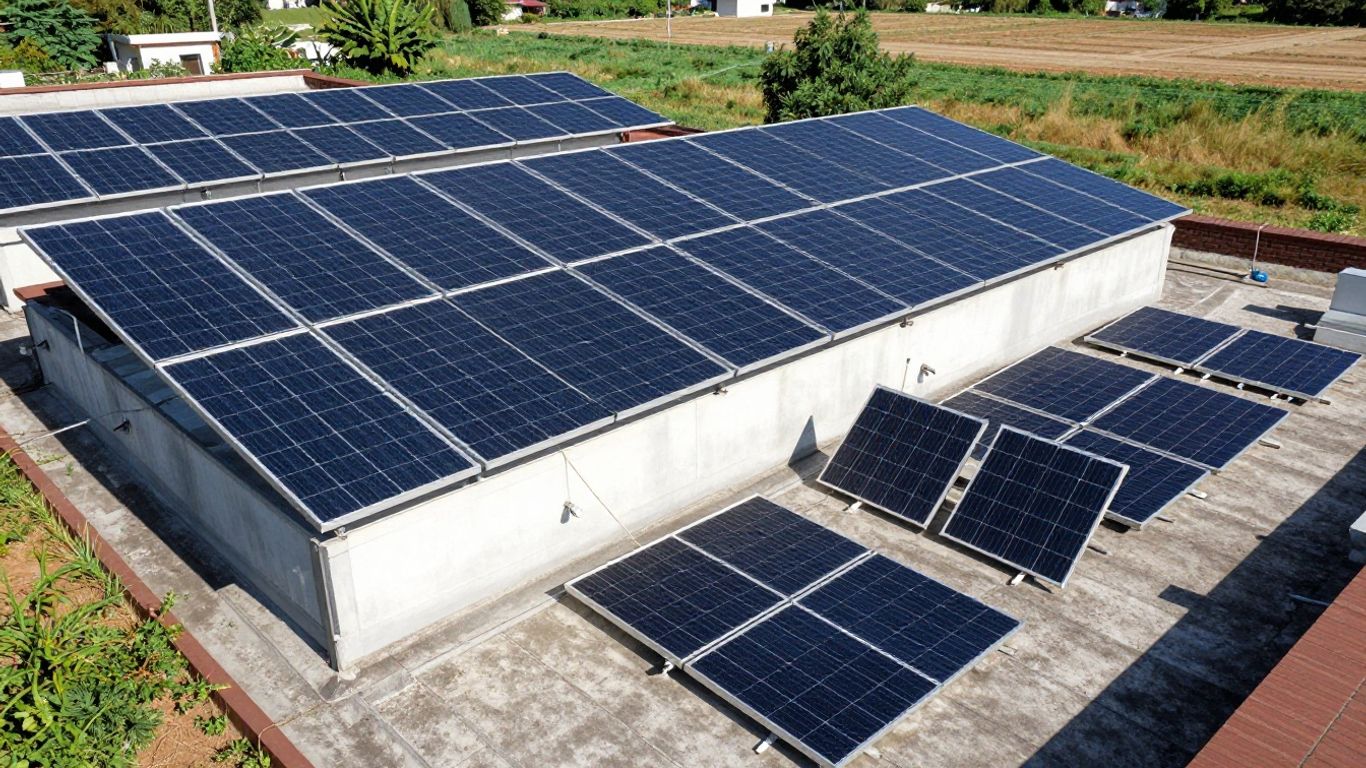
Want to get started with solar energy without complicating things? The plug-and-play solar kit is an excellent entry point. It’s a turnkey solution designed for quick installation without professional intervention. The idea is simple: you receive all the necessary components, assemble them, and plug the system into a standard electrical outlet. It’s a perfect option if you’re a renter or want to test solar energy production without a major commitment. These kits are generally less powerful than more complex installations, but their ease of use is an undeniable asset for a first experience. They help reduce your electricity bill for standby devices or basic needs.
Simplified Installation of Complete Residential Solar Kits
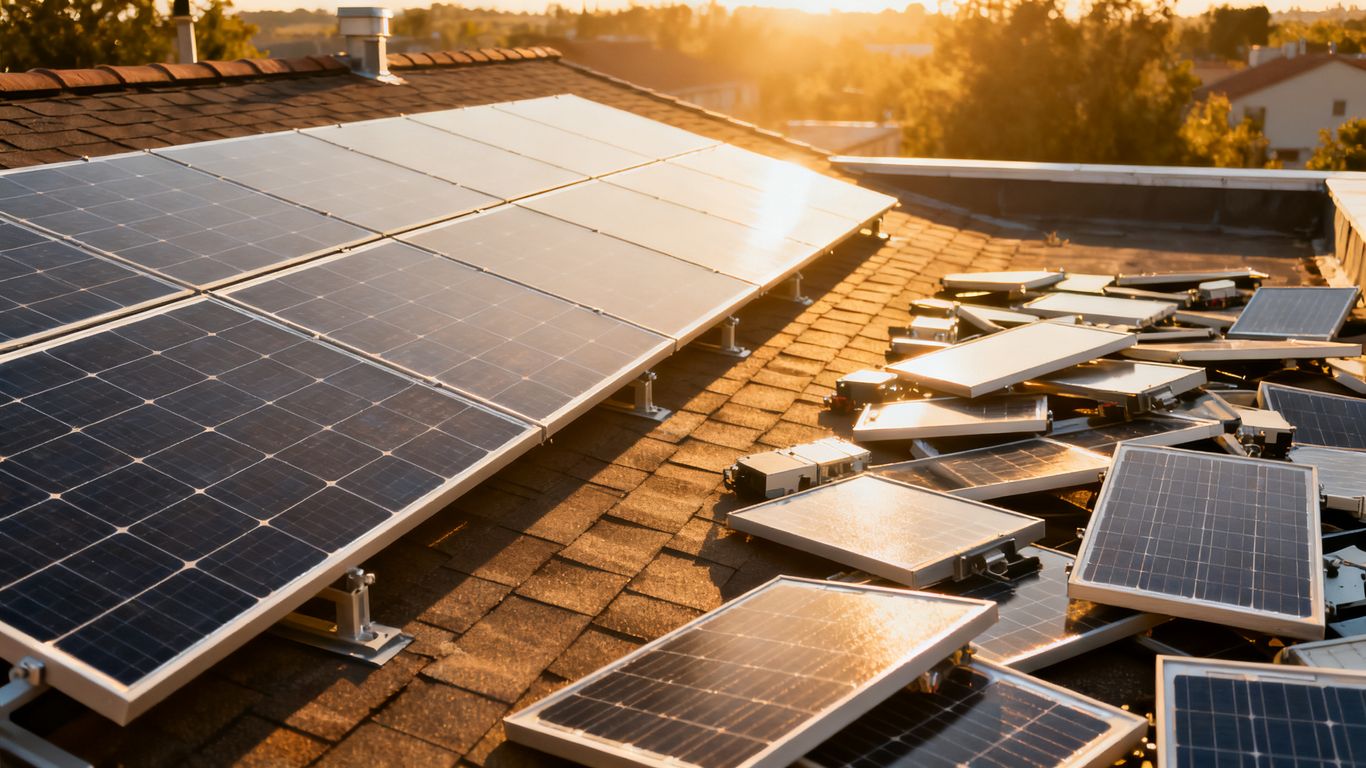
Beyond plug-and-play kits, complete residential solar kits, while slightly more complex, also aim to simplify the process. They include all the necessary components: panels, inverter, mounting system, and wiring. The goal is to provide a coherent solution where all elements are compatible with each other. Although installation may require professional intervention for safety and compliance reasons, having a pre-sized and coordinated package reduces the time spent on design and purchasing individual parts. This saves you from having to search for each component separately and ensure their compatibility. Purchasing a kit ensures you have a coherent set, ready for installation.
Comparison Between Plug-and-Play Kits and Traditional Installations
When comparing solar kits, two main categories stand out: plug-and-play kits and so-called traditional installations (often residential and more powerful). Plug-and-play kits are unbeatable in terms of ease of installation and initial cost. They are perfect for occasional use or for testing the market. However, their power is limited, often between 300 and 2000 W. Traditional installations, which require professional installation, offer much higher power (from 1 to 6 kWp and more) and are designed for more extensive self-consumption. They allow you to cover a more significant portion of your energy needs and are often eligible for state aid. The cost per watt is generally lower for these more robust systems. The choice will therefore depend on your objectives: simplicity and a small budget for plug-and-play, or increased performance and autonomy for a traditional installation. Be sure to analyze your needs carefully before making your choice, as each solution has its advantages.
The acquisition of a complete solar kit, whether plug-and-play or residential, aims to make solar energy more accessible. By providing a coherent set of components, these kits reduce the complexity of purchase and installation, thus allowing more people to benefit from solar energy.
Optimizing the Performance and Profitability of Your Solar Installation
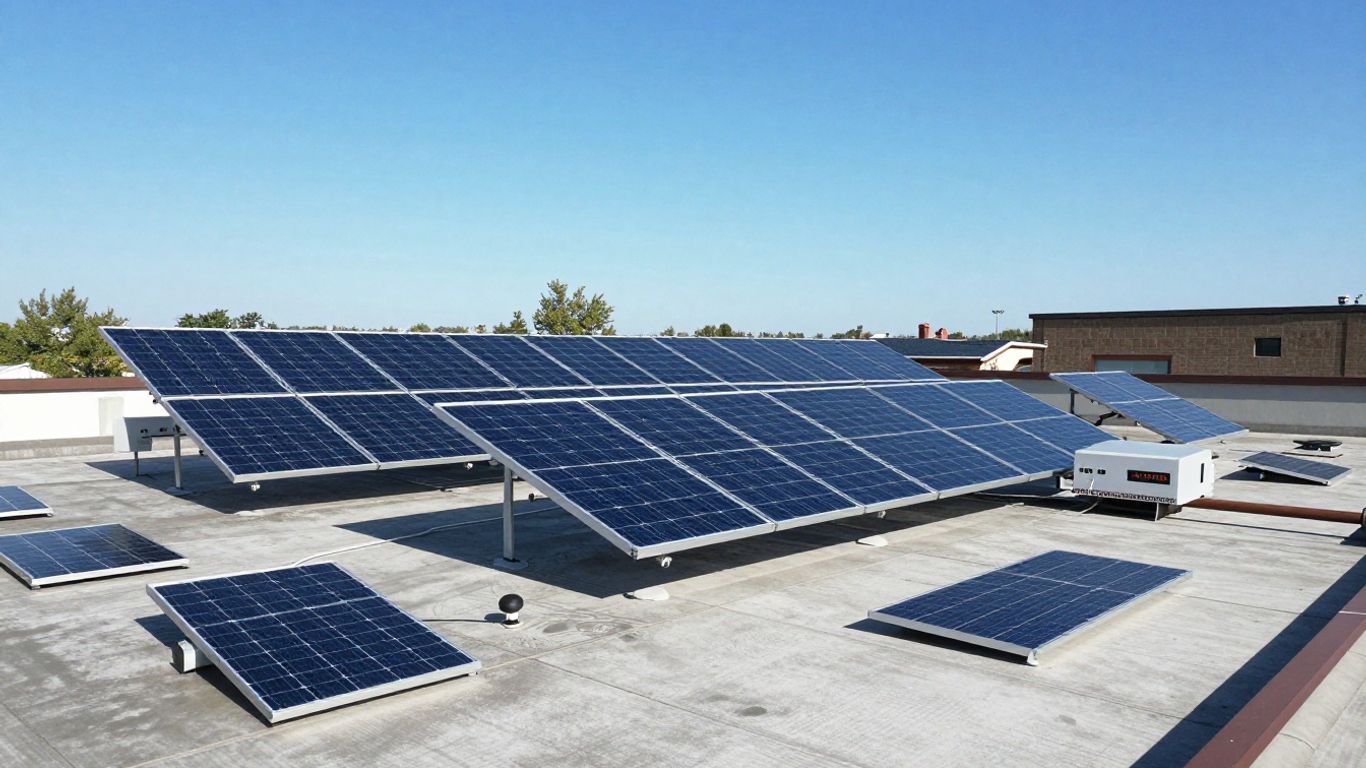
For your solar investment to pay off, it’s essential to choose components that guarantee maximum energy production and a long lifespan. A well-designed complete solar kit helps you achieve this goal more easily.
Choosing High-Tech Components for Maximum Yield
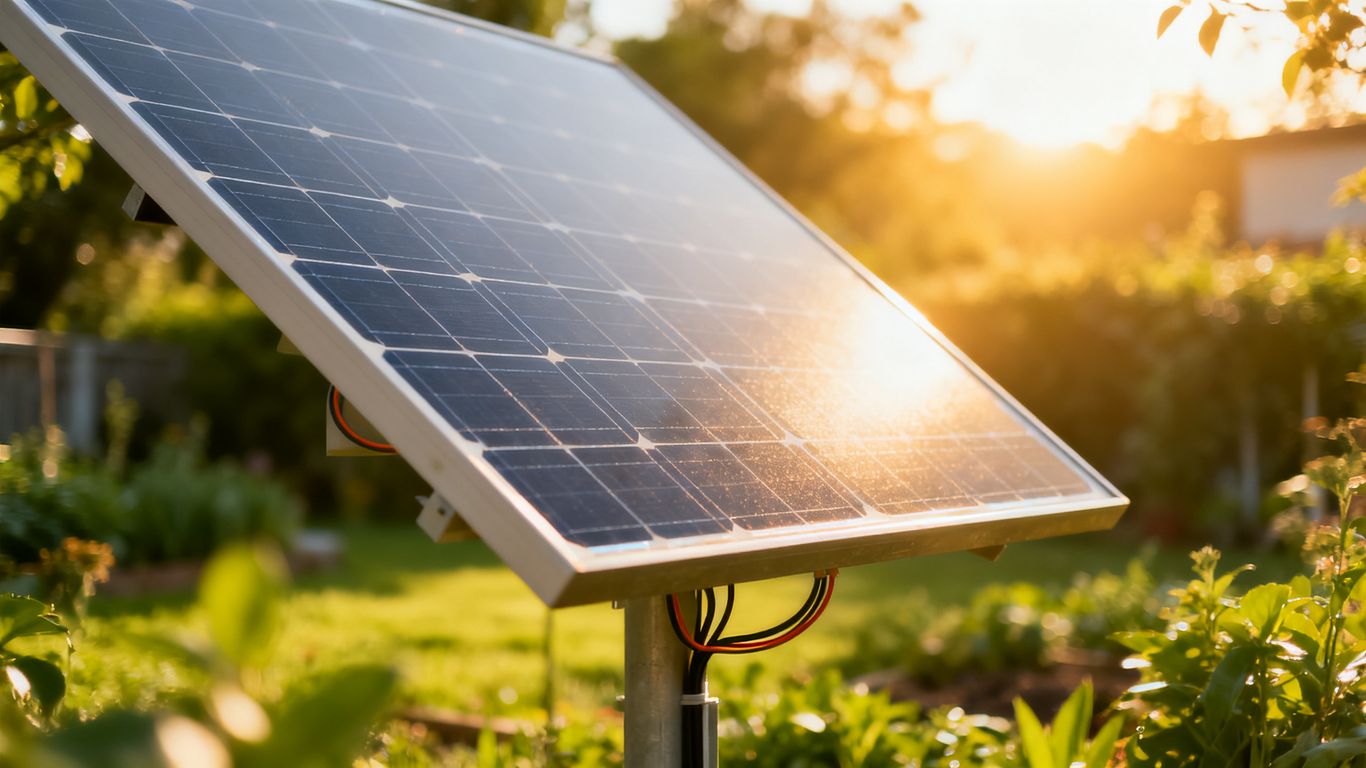
The performance of your installation directly depends on the quality of its components. Modern solar panels, for example, have made enormous progress. Today, we find panels with efficiencies exceeding 20%, notably thanks to technologies like TOPCon or N-type cells. These advancements allow for more electricity production, even if your roof space is limited. Bifacial panels are also an interesting option: they capture direct sunlight on their front side, as well as reflected rays from the ground on their back side. This can increase production by 5 to 10% compared to traditional panels. Choosing high-performance equipment from the start ensures better long-term profitability.
The Importance of Micro-inverters for Optimized Solar Production
When it comes to optimization, micro-inverters play an important role. Unlike a centralized inverter, each micro-inverter is associated with a single panel. This means that if one panel is partially shaded by a tree or chimney, or if it encounters an issue, it will not affect the production of other panels. Each panel thus operates independently, maximizing the overall production of your installation, especially if your roof has variable shaded areas. This technology offers great flexibility and better management of the individual performance of each panel. For more information on their operation, you can consult information on solar optimizers.
The Crucial Role of Batteries in Energy Independence
Adding a battery to your solar kit transforms your installation. It allows you to store excess electricity produced during the day for use in the evening or at night, thus reducing your dependence on the electrical grid. This is a key element for increasing your self-consumption rate and achieving greater savings on your electricity bill. Battery sizing is important: it must be adapted to your consumption habits to be truly useful. A well-chosen and well-integrated battery is a major asset for your independence and your budget.
Ensuring Increased Energy Independence with a Complete Solar Kit
How a Solar Kit with Battery Storage Works
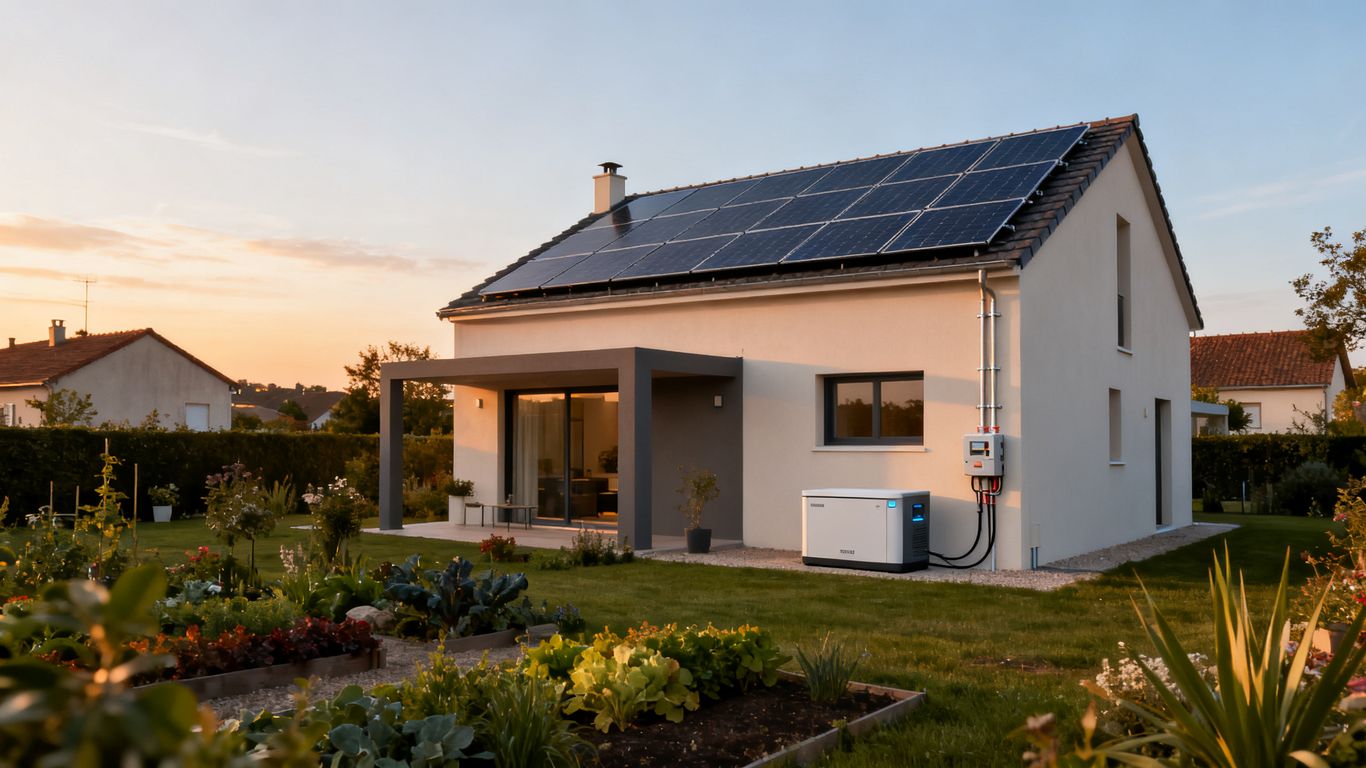
A complete solar kit, especially when it includes a battery storage system, offers remarkable energy independence. The idea is simple: you produce your own electricity thanks to solar panels, and the surplus that is not immediately consumed is stored in the battery. When the sun no longer shines, or during peak consumption times, this stored energy takes over. This means you rely less on the public electrical grid, resulting in reduced electricity bills and protection against price increases. Modern batteries, like lithium-ion ones, are designed to store a significant amount of energy, allowing you to power your home for several hours, or even days, in case of a power outage. This provides significant peace of mind.
Off-Grid Solutions for Homes Without Grid Access
For homes located far from the traditional electrical grid, or for those aspiring to a more disconnected life, an autonomous solar kit is the ideal solution. These systems are designed to operate independently of the grid. They generally include solar panels, a battery with good storage capacity, and a charge controller to manage energy flow. The goal is to cover 100% of your energy needs through your own production. This requires careful sizing planning to ensure that solar production and storage capacity are sufficient to meet your needs throughout the year, taking into account seasonal variations in sunlight. It’s an effective way to live more sustainably and economically, away from grid constraints. You can find solar kits designed for energy independence here.
Maximizing Self-Consumption Through Smart Energy Management
Self-consumption means using the electricity you produce. To make the most of it, smart energy management is essential. Modern systems often include devices that analyze your consumption in real-time and optimize the use of solar energy. For example, they can shift the operation of certain energy-intensive appliances (like a washing machine or water heater) to times when solar production is highest. Combined with a battery, this system allows for very high self-consumption rates, sometimes up to 80% or more of your annual needs. This significantly reduces your dependence on your electricity provider and maximizes savings. The goal is to make your solar installation work as efficiently as possible for you.
Integrating a battery into your solar kit transforms your installation from a simple energy producer into a true autonomous energy management system. It allows you to store excess energy produced during the day for use when the sun isn’t shining, thereby reducing your dependence on the grid and your electricity bills. It’s a key step towards greater energy independence.
Here are some key points for optimized management:
- Real-time Monitoring: Track your production and consumption to understand your habits.
- Appliance Scheduling: Use smart plugs or connected appliances to run significant consumptions during daylight hours.
- Battery Management: Ensure your battery management system (BMS) is efficient to extend its lifespan and optimize its storage.
- Habit Adaptation: Slightly adjust your lifestyle to better match solar production cycles, for example, by using more energy at midday.
These strategies, applied with a well-designed solar kit, allow you to achieve substantial savings and gain peace of mind regarding grid fluctuations. Be sure to size your system correctly to match your actual needs. You can explore storage solutions for your energy independence here.
Anticipating Future Needs with the Scalability of Solar Kits
Modularity of Systems for Gradual Expansion
When considering the installation of a solar system, it’s wise to think about tomorrow. Modern solar kits are designed to be modular. This means you can start with a configuration that meets your current needs and then expand it later. It’s a bit like building with bricks: you can add components as you go. This approach limits the initial investment while giving you the ability to increase your solar energy production over time. For example, if your electricity consumption increases because you buy an electric car or your family grows, you can add more solar panels without having to replace your entire system. It’s a smart strategy to adapt to life changes. This allows you to adapt your installation to your evolving needs.
Adapting Storage Capacity to Evolving Consumption
Scalability doesn’t just apply to solar panels. Storage systems, like batteries, are also designed to be expandable. If you start with a medium-sized battery, you can add another one later if you find you need to store more energy. This is particularly useful if you’re aiming for greater energy independence. A larger battery or additional batteries will allow you to store more of the energy produced during the day for use in the evening or on less sunny days. Think of it like a water tank: you can start with a small tank and add a second one if you need more capacity. This flexibility is a major asset for long-term energy management.
Choosing a Scalable Solar Kit for Long-Term Savings
Opting for a scalable solar kit is a wise economic choice. Instead of investing heavily upfront in an oversized system for hypothetical future needs, you can spread out your expenses. You benefit from energy savings from day one, and you can increase your installation’s capacity when it becomes necessary and financially opportune. It’s a way to make your solar investment more manageable and profitable over time. Furthermore, it allows you to take advantage of future technological advancements. Perhaps new, more efficient panels or batteries will come onto the market; with a scalable system, you can more easily integrate these innovations. It’s a pragmatic approach to a sustainable and controlled energy transition. It’s important to plan well so that your solar system can grow with you.
Ensuring the Durability and Reliability of Your Solar Investment
The Longevity of High-Performance Solar Panels
When you invest in a solar installation, you’re thinking long-term. Today’s solar panels are designed to last. High-quality models, for example, often come with a production warranty that extends for 25 to 30 years. This means they are expected to maintain at least 80% of their initial power output throughout that period. It’s a promise of stable performance for many years. Technology evolves, of course, but the foundation remains solid. Think of it as an investment that continues to pay off over time.
The Importance of Warranties for Solar Kit Components
Beyond the panels, each element of your solar kit is covered by warranties. Micro-inverters, for example, can have warranties ranging from 20 to 25 years. For centralized inverters, it’s typically between 5 and 10 years. It’s wise to check these details. A good warranty provides peace of mind. It shows that the manufacturer has confidence in the robustness of its products. With some suppliers, you’ll even find warranties that extend over the lifespan of the solution, which is a mark of seriousness. You should also look at after-sales service; a reliable brand with good technical support can make all the difference if a problem arises. You don’t want to be stuck with faulty equipment without help. That’s why it’s important to choose recognized brands that offer solid factory warranties.
The Positive Environmental Impact of Photovoltaic Self-Consumption
Choosing a solar kit is also a gesture for the planet. By producing your own green electricity, you reduce your dependence on fossil fuels. This lowers your carbon footprint, which is good for the environment. Furthermore, many manufacturers are committed to Corporate Social Responsibility (CSR). They integrate repairable and scalable components into their kits. The idea is to combat planned obsolescence and extend the lifespan of your installation. It’s an investment that makes sense, both for your wallet and for the future. Photovoltaic self-consumption contributes to a more sustainable energy model. It’s a concrete way to participate in the ecological transition. Solar panels, once their useful life is over, are also increasingly recyclable, which completes the picture of a strong environmental commitment.
Properly Sizing Your Solar Kit for Substantial Savings
For your solar installation to bring you maximum benefits, it’s really important to size it correctly. It’s not just a matter of power, but primarily about matching that power to your actual consumption. If you underestimate your needs, you won’t produce enough electricity and will continue to depend on the grid. Conversely, oversizing an installation represents a higher initial cost that will take longer to pay off.
Analyzing Electricity Consumption for Precise Sizing
First and foremost, carefully examine your electricity consumption. How many kilowatt-hours (kWh) do you consume per year? In France, an average household uses around 8 kWh per day, but this can vary greatly. Consider your electrical appliances, their usage, and the number of people in the household. There’s also what’s called the « base load, » which is the electricity used constantly, even when you’re not there: the refrigerator, the internet box, night lights… To cover this minimum, a small 1 kWp installation might suffice. But for a family, it’s often necessary to aim higher, say between 1 and 3 kWp to cover the majority of your daytime needs.
Calculating Key Parameters for Optimal Combination
Once you have an idea of your consumption, you need to consider other factors. The sunlight in your region plays a major role. For example, in the south of France, a well-oriented installation can produce between 1,200 and 1,400 kWh per kWp installed annually. In regions further north, this figure will be lower, between 900 and 1,100 kWh. You also need to consider the orientation and tilt of your panels. Ideally, a south-facing orientation with a tilt of 30 to 35° is perfect. If you have shaded areas on your roof, this can also impact production. Micro-inverters can help manage these issues, as they optimize the production of each panel individually. Also, consider the available space: a 3 kWp kit, for example, requires about 15 to 16 m² and can include between 6 and 8 panels, depending on their individual wattage. Higher wattage panels (like those from 400 Wp) reduce the total number of panels, but their size may be larger.
Adapting Solar Kit Power to Your Energy Goals
Your personal goals are also important. Are you simply looking to reduce your electricity bill, or are you aiming for almost complete energy independence? A plug-and-play solar kit, for example, is limited in power (often between 300 and 2000W) and is more suitable for testing self-consumption or for renters. For significant bill reduction and greater autonomy, a more powerful residential kit, installed by a professional, will be more appropriate. You also need to think about the future. If you plan to increase your consumption (e.g., with the purchase of an electric car), it may be wise to choose a scalable system. This will allow you to add panels or batteries later without having to change everything. Accurate sizing is the key to maximizing your savings and energy independence.
The choice of components is also a matter of performance. Panels with technologies like TOPCon or bifacial can increase your production, even if space is limited. You need to find the right balance between peak power (kWp) and the actual expected production in your environment.
In Conclusion: An Informed Choice for Your Energy Future
Ultimately, opting for a complete solar kit rather than assembling individual components greatly simplifies your process. You benefit from a solution designed to work together, with easier installation and a guarantee of compatibility. This allows you to embark on self-consumption with greater peace of mind, saving on your bills and contributing to a healthier environment. Carefully weigh your current and future needs, and choose a more autonomous and responsible energy source.
Frequently Asked Questions
What is a complete solar kit and why is it simpler than buying parts separately?
A complete solar kit is like an all-in-one package for producing your own electricity. It contains all the necessary elements: panels to capture sunlight, an inverter to transform the energy, cables, and often mounting hardware. It’s simpler because all components are chosen to work well together, and you don’t have to search for each part individually. It’s a bit like buying a flat-pack furniture: everything is there to assemble it easily.
Can I install a solar kit myself, even if I don’t know anything about it?
Some kits, called ‘plug and play,’ are designed to be very easy to install. You can plug them in yourself, much like an electrical outlet. It’s perfect for starting and testing. For more powerful kits, it’s often recommended to hire a professional to ensure safety and optimize performance. But the general idea of kits is to simplify installation as much as possible.
Is a complete solar kit really more efficient than components bought separately?
When the components of a kit are well-chosen to work together, yes, they can be more efficient. Manufacturers ensure that the panel, inverter, and other parts are compatible and optimized. Furthermore, the use of technologies like micro-inverters, which manage each panel individually, helps avoid energy losses, even if a panel is slightly shaded.
Does a complete solar kit allow me to store electricity to use at night?
Absolutely! Many complete solar kits now include batteries. These batteries store the electricity produced during the day that you don’t use immediately. Thus, you can use your own solar energy in the evening, at night, or when the sun isn’t shining. This makes you more independent and further reduces your electricity bill.
Can I expand my solar installation later if I need more electricity?
This is one of the great advantages of modern kits! They are often designed to be scalable. You can start with a small kit and add more panels or increase your battery’s storage capacity over time. It’s a smart approach to adapt your installation to your changing needs without having to replace everything.
Is investing in a complete solar kit a good deal for my wallet and for the planet?
Yes, it’s an excellent investment! In the short term, you reduce your electricity bills. In the long term, you become more independent from energy providers and protect yourself from price increases. Furthermore, by producing your own clean energy, you make a great contribution to the environment by reducing your carbon footprint. It’s good for your budget and for the planet.