Considering installing a Tesla Powerwall at your home in France? It’s an excellent idea for gaining energy independence and potentially reducing your bills. But before you dive in, it’s natural to want to know the price, available subsidies, and what it’s really like on a daily basis. This article guides you through the cost of the Tesla Powerwall in France, potential subsidies that could help, its performance, and real-world user experiences to aid your decision.
Key Takeaways
- The price of a Tesla Powerwall in France, including installation and accessories, represents a significant initial investment that requires long-term profitability analysis.
- National financial aid and schemes like reduced VAT can lower the acquisition cost of your energy storage system.
- The Powerwall offers a storage capacity of 13.5 kWh and an output power of up to 11.04 kW, with intelligent control modes to optimize your consumption and a backup function in case of outages.
- User experience shows increased energy independence and the possibility of selling surplus energy, but requires adaptation of consumption habits.
- The robust design of the Powerwall allows for flexible indoor or outdoor installation and resistance to various weather conditions, while contributing to better energy efficiency.
The Cost of the Tesla Powerwall in France
Discussing the price of the Tesla Powerwall in France means delving into figures that might seem substantial at first glance. It’s essential to fully understand all the components of this cost to properly assess the investment.
Estimated Price of the Powerwall 3
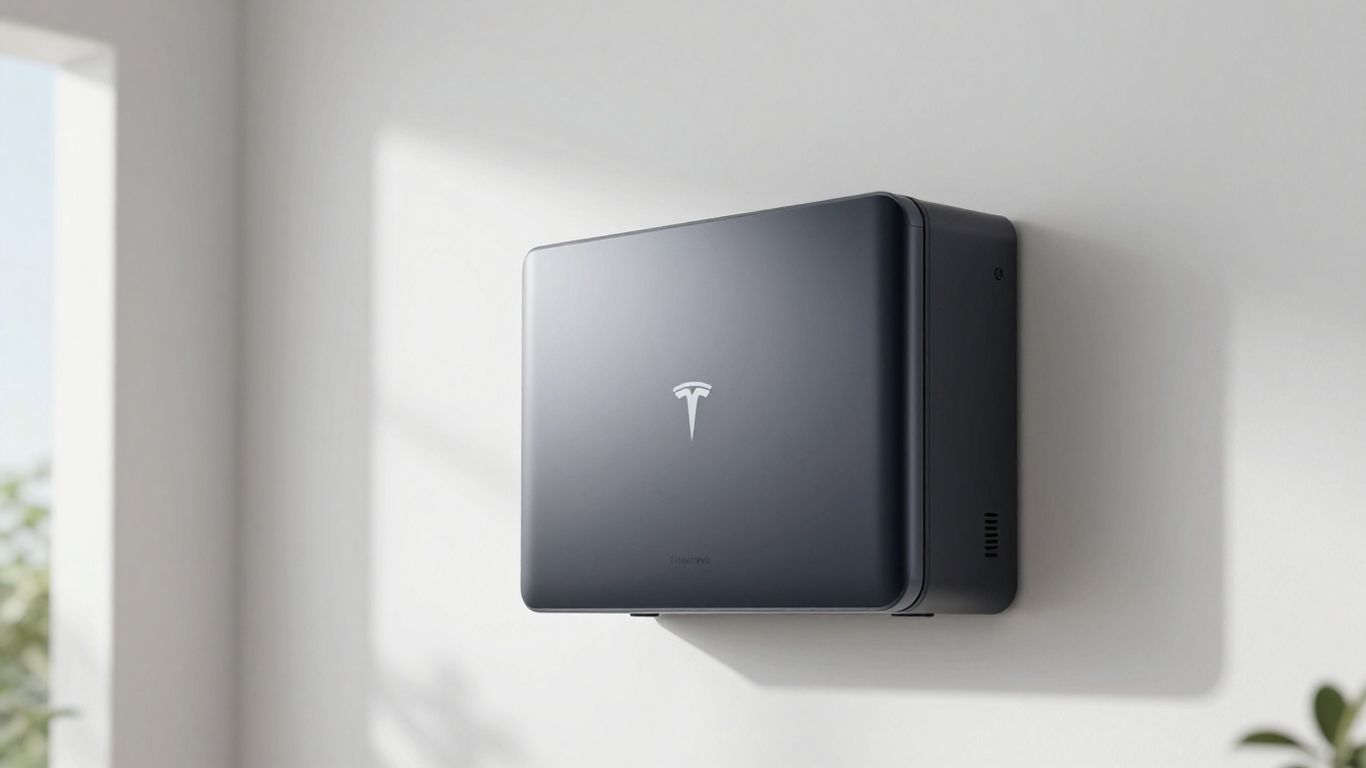
The Tesla Powerwall 3, with its integrated solar inverter, represents a notable technological advancement. Its announced retail price is €6,450 excluding tax. However, this amount is only part of the total cost. The control unit, called the ‘Gateway,’ must be added, priced at €1,150 excluding tax. This base price, while significant, should be considered the starting point for your calculation.
Additional Cost of Installation and Accessories
The cost of the equipment is inevitably supplemented by the cost of installation. This can vary considerably depending on the complexity of your home, the accessibility of the installation site, and the professionals you choose. You also need to consider potential connection work or adaptations to your existing electrical system. All these additional expenses can quickly increase the final bill. Therefore, it is recommended to request several detailed quotes to get a clear picture of the overall investment.
Impact of Price on Investment Profitability
The profitability of the Tesla Powerwall will depend on several factors, including the initial cost, your electricity consumption, the price of electricity from the grid, and available financial aid. The main goal is to reduce your electricity bill by using solar energy stored during the day for your nighttime needs or during peak consumption periods. The energy independence you gain, as well as the possibility of selling surplus energy, are key elements to consider when evaluating the return on investment. It’s worth noting that electricity prices in France are slightly lower than the European average, but challenges related to peak demand remain, making self-consumption particularly relevant to optimize your consumption.
The amortization of such a system is calculated over the long term. It is important not to focus solely on the purchase cost but to analyze potential savings over several years, taking into account the evolution of energy tariffs.
Financial Aid and Subsidies Available
Acquiring a storage system like the Tesla Powerwall represents a significant investment. Fortunately, several aid schemes exist in France to reduce the initial cost and improve the profitability of your energy independence project. It is important to thoroughly research the eligibility criteria to benefit from them.
Eligibility for National Aid Schemes
In France, aid for renewable energy equipment and energy independence solutions are regularly updated. For photovoltaic installations coupled with storage systems, national schemes can vary. It is essential to check the specific criteria in effect at the time of your project.
- Self-consumption Bonus: This bonus is paid for solar electricity production installations. While it doesn’t directly target the battery, it reduces the overall cost of your photovoltaic installation, making the entire system more affordable.
- Feed-in Tariff (Obligation d’achat): You have the option to sell your surplus unused electricity at a guaranteed rate for 20 years. This contributes to the profitability of your installation.
- MaPrimeRénov’ and CEE: These aids are generally intended for energy renovation work and do not directly apply to pure photovoltaic installations. However, if your project is part of a comprehensive home renovation effort, it is advisable to check the specific conditions.
Consideration of Reduced VAT
One of the most significant financial advantages for installing solar panels and associated storage systems is the application of a reduced VAT rate. For residential installations with a capacity of 9 kWc or less, and provided the panels are PPE2 V2 certified, the VAT can be reduced to 5.5%. This certification has become a necessary condition to benefit from this advantageous rate, which replaced the 10% rate on January 1, 2026. Ensure your installation meets these standards to take advantage of this tax reduction. This certification is now essential for residential solar panels.
Other Energy Independence Support Schemes
Beyond national aid, other options can support your project:
- Zero-Interest Eco-Loan (Éco-PTZ): While primarily for energy renovation, it can sometimes be used in projects including energy independence equipment, under certain conditions.
- Local or Regional Schemes: Some regions or local authorities offer specific aid to encourage the development of renewable energies and energy independence. Inquire with your local town hall or regional council.
- Tax Credits: Check for any available tax credits for energy efficiency equipment, although these are less common for storage alone.
It is crucial to plan your approach well by consulting official aid websites (like France Rénov’) and contacting qualified installers who can guide you through the administrative procedures and the aid you are eligible for. Good financial planning is key to a successful investment in energy independence.
Powerwall Features and Performance
The Tesla Powerwall 3 stands out with its storage capabilities and output power, designed to optimize your home energy consumption. It integrates a solar inverter, simplifying installation and improving overall efficiency. Its storage capacity of 13.5 kWh and output power of up to 11.04 kW allow it to power an entire home, including the most energy-intensive appliances.
Storage Capacity and Output Power
The Powerwall 3 is designed to meet the energy needs of a family. Its 13.5 kWh battery can store a significant amount of solar energy produced during the day. This stored energy can then be used at night, during peak consumption, or in the event of a power outage. The 11.04 kW output power ensures you can simultaneously run multiple appliances, such as heating, air conditioning, or even charge your electric vehicle, without interruption.
Consumption Optimization and Control Mode
One of the Powerwall’s major advantages lies in its intelligent management. With « Time-Based Control » mode, you can program your battery to charge when grid electricity is cheapest (off-peak hours) and discharge this energy when rates are higher. This allows for substantial savings on your electricity bill, especially if you benefit from variable pricing. The system continuously optimizes the use of produced solar energy and stored energy to minimize your grid dependency and reduce your costs. Integration with the Backup Gateway 2 ensures smooth energy management.
Backup and Resilience Features
Beyond savings, the Powerwall offers peace of mind with its automatic backup function. In the event of a power outage, the system instantly detects the failure and switches to the energy stored in the battery, thus maintaining power to your home. This resilience is particularly valuable for households that cannot afford power interruptions, such as those relying on medical equipment or simply wishing to maintain their daily comfort. The system is designed to operate in a wide temperature range, from -20°C to 50°C, and can even withstand temporary submersion up to 60 cm of water, ensuring its reliability in various climatic conditions.
The installation of the Powerwall, while representing an initial investment, aims for increased energy independence and a significant reduction in electricity expenses in the long run. Its effectiveness will depend on your consumption profile and local sunlight conditions.
User Experience with the Powerwall
After taking the step to install a Tesla Powerwall, many users share their impressions. The primary goal is often the pursuit of greater energy independence, and for many, this goal is achieved. The ability to store solar energy produced during the day for use in the evening or during peak consumption significantly reduces reliance on the traditional electricity grid. Some homeowners go even further by selling their unused surplus energy, thus transforming their installation into a potential source of income.
Energy Independence and Selling Surplus Energy
One of the most frequent feedback points concerns the sense of security and autonomy provided by the Powerwall. Knowing that your home can continue to be powered, even during a power outage, is a significant advantage. For those who produce more energy than they consume, the ability to sell this excess back to the grid is an additional motivation. This not only contributes to the profitability of the installation but also to a more ecological approach by valuing renewable energy.
Adapting Consumption Habits
Adopting a system like the Powerwall often involves revising consumption habits. It’s not just about installing a battery, but also about learning to optimize its use. For example, prioritizing the use of energy-intensive appliances during peak sunlight hours or during periods of lower electricity prices becomes second nature. Charging electric vehicles, for instance, can be shifted to daytime to maximize the use of stored solar energy.
- Using high-consumption appliances during daylight hours.
- Scheduling electric vehicle charging during the day.
- Actively monitoring energy production and consumption.
Economic Assessment After Several Months of Use
The economic assessment is a central point for most users. While the initial investment is substantial, the savings on the electricity bill can, in the long run, justify this choice. Annual savings estimates vary, but the idea is to recoup part of this investment through reduced electricity supply costs. However, it is important to note that local weather conditions, such as sunlight, play a major role in the actual economic performance of the installation. Milder weather, like that found in California, can accelerate profitability compared to less sunny regions.
Experience shows that the success of a Powerwall installation depends as much on the technology as on behavioral adaptation. Proactive management and an understanding of production and consumption cycles are key to getting the most out of it.
It should be noted that the availability of the Tesla Powerwall in France has been a subject of discussion, with delays in its deployment. User feedback therefore often comes from markets where the product has been available for longer, such as the United States. Nevertheless, these testimonials offer valuable insight into the potential benefits and the adjustments needed for successful integration into a home. Energy independence thus becomes a tangible reality for more and more households.
Technical and Environmental Considerations
Design and Resistance to Weather Conditions
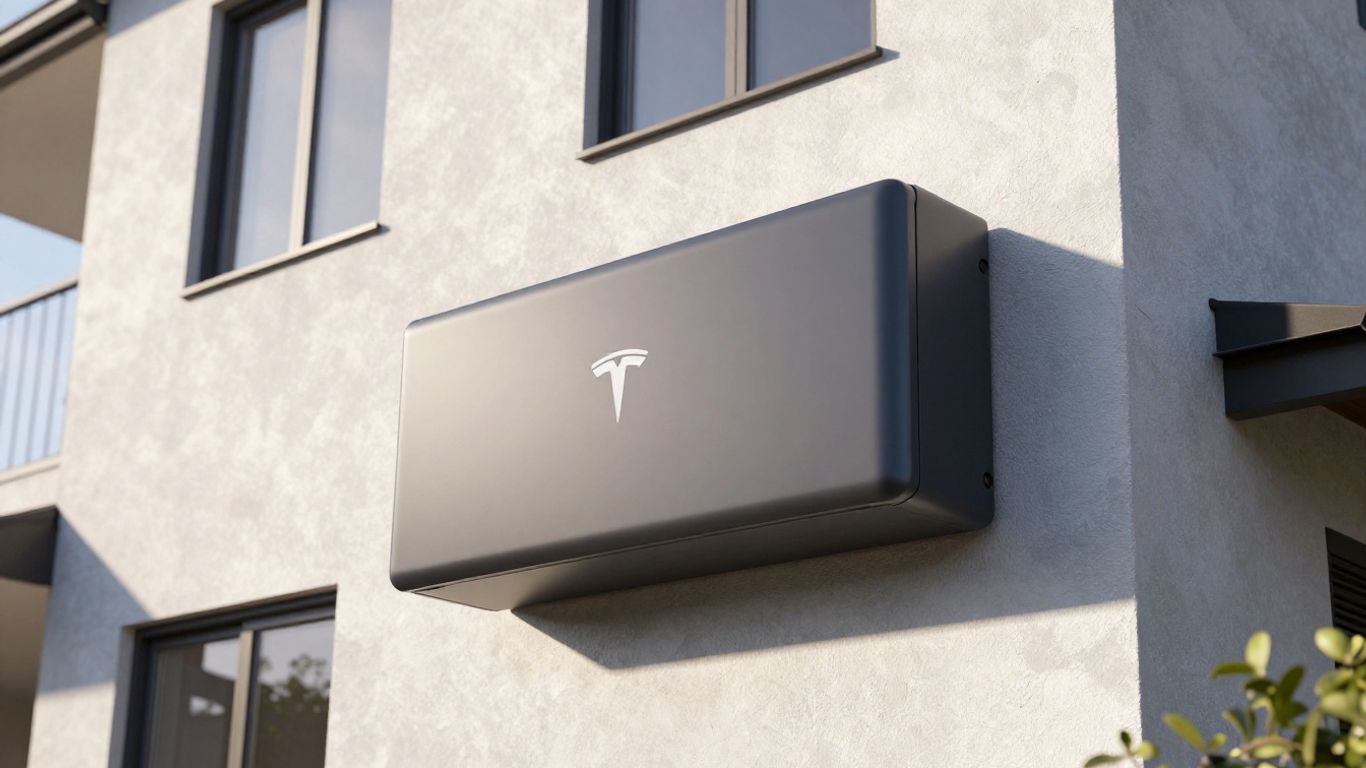
The Tesla Powerwall 3 is designed to be robust. Its design allows it to withstand harsh weather conditions. It can function correctly even in humid environments or if submerged up to 60 cm of water. This thermal management system, inspired by Tesla vehicles, ensures optimal performance and great installation flexibility. It is capable of operating in a wide temperature range, from -20°C to 50°C. This durability is a major asset for worry-free daily use.
Flexible Indoor and Outdoor Installation
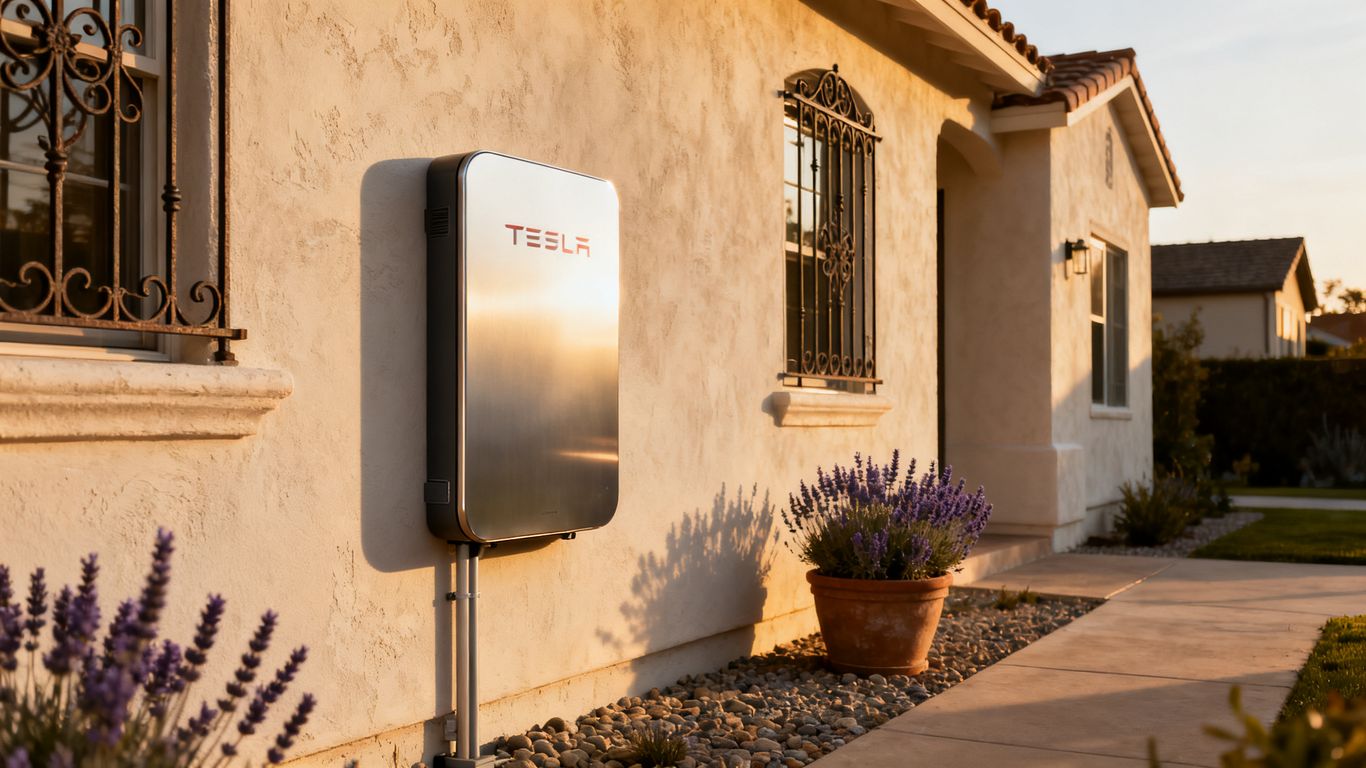
One of the advantages of the Powerwall 3 is its high adaptability. You can install it both inside and outside your home. This flexibility greatly simplifies the installation process and allows you to find the most suitable location for your setup. Whether you have a garage, a technical room, or a sheltered outdoor space, the Powerwall 3 will find its place. This feature is particularly useful for optimizing available space and respecting the technical constraints of your home.
Energy Efficiency and Environmental Impact
The Powerwall 3 boasts impressive energy efficiency, with a solar energy to grid conversion rate announced at 97.5%. This means very little energy is lost during charge and discharge cycles. By storing excess solar energy, you maximize your self-consumption and reduce your dependence on the traditional electricity grid. This contributes to a lower carbon footprint. Using physical batteries for solar energy storage is generally more cost-effective in the long run than virtual solutions, offering better energy independence [16bd].
- Self-consumption Optimization: Use of stored solar energy during off-peak hours or at night.
- Reduced CO2 Emissions: Less reliance on the grid’s fossil fuels.
- Durability: The lifespan of a battery is a key factor for return on investment, and the Powerwall is designed to last.
Integrating a storage system like the Powerwall 3 into your solar installation represents a significant step towards greater energy independence. Beyond financial savings, it is a choice that actively contributes to the ecological transition by promoting the use of renewable energies and reducing energy waste.
Conclusion on the Tesla Powerwall in France
After examining the Tesla Powerwall, its prices in France, available aid, and user feedback, it appears that this investment represents a thoughtful approach to managing your energy consumption and potentially reducing your bills. Although the initial cost may seem substantial, the long-term savings, coupled with the peace of mind of a backup power supply, often justify the commitment. We encourage you to carefully assess your specific situation, compare offers, and consult professionals to ensure the Powerwall best meets your needs and your home. Don’t forget to inquire about local aid that could further reduce the cost of your project.
Frequently Asked Questions
How much does a Tesla Powerwall cost in France?
The price of the Powerwall alone is around €6,450 excluding tax. You need to add the control unit (approximately €1,150 excluding tax) and the installation cost by a professional. The total amount can therefore be quite high initially.
Are there any subsidies for installing a Powerwall in France?
Currently, direct subsidies like MaPrimeRénov’ or Éco-PTZ do not directly apply to the purchase of a battery like the Powerwall. However, it is important to check for local or regional schemes that might support energy independence.
What is the storage capacity of the Tesla Powerwall 3?
The Powerwall 3 can store up to 13.5 kWh of energy. It is designed to power an entire home and can provide up to 11.04 kW of power, which is sufficient to run most appliances, even the most power-hungry ones.
Can the Powerwall serve as a backup during a power outage?
Absolutely. The Powerwall automatically detects grid failures and takes over to power your home. This is an excellent feature to ensure continuous power for your essential appliances.
Is it possible to sell unused electricity from the Powerwall?
Yes, when your system produces more electricity than you consume, the surplus can be sent back to the electrical grid. You then become a producer and can be compensated for this energy.
Is the Powerwall resistant to outdoor conditions?
Yes, the Powerwall 3 is designed to be robust. It can operate in a wide range of temperatures, from -20°C to 50°C, and can even withstand temporary submersion under 60 cm of water, making it suitable for both indoor and outdoor installation.