Virtual electricity storage, you’re hearing about it more and more. But what exactly is it, and how can it help you? In a rapidly evolving energy world, understanding these new methods becomes important. We’ll look together at how it works, what the benefits are, and how to make the most of it. Get ready to discover a new perspective on managing your energy.
Key Takeaways
- Virtual electricity storage uses real-time data to manage energy flows, allowing electricity to be stored when it’s cheap or in surplus, and used or resold when it’s more expensive. This helps reduce costs and pressure on the electrical grid.
- Technologies like intelligent flow control and optimization of storage capacities are at the heart of virtual storage. They make it easier to integrate renewable energies that are not always available.
- To optimize profitability, it is advisable to take advantage of electricity tariffs that change throughout the day. Valuing energy you don’t use by reselling it can also reduce your overall expenses.
- Virtual storage finds applications in smart cities, for optimizing industrial processes, and improving the energy performance of buildings. It’s about adapting energy management to various contexts.
- Challenges include adapting to new regulations and technologies, accurately calculating return on investment, and the increasing use of artificial intelligence to make these systems even more efficient.
Understanding Virtual Electricity Storage
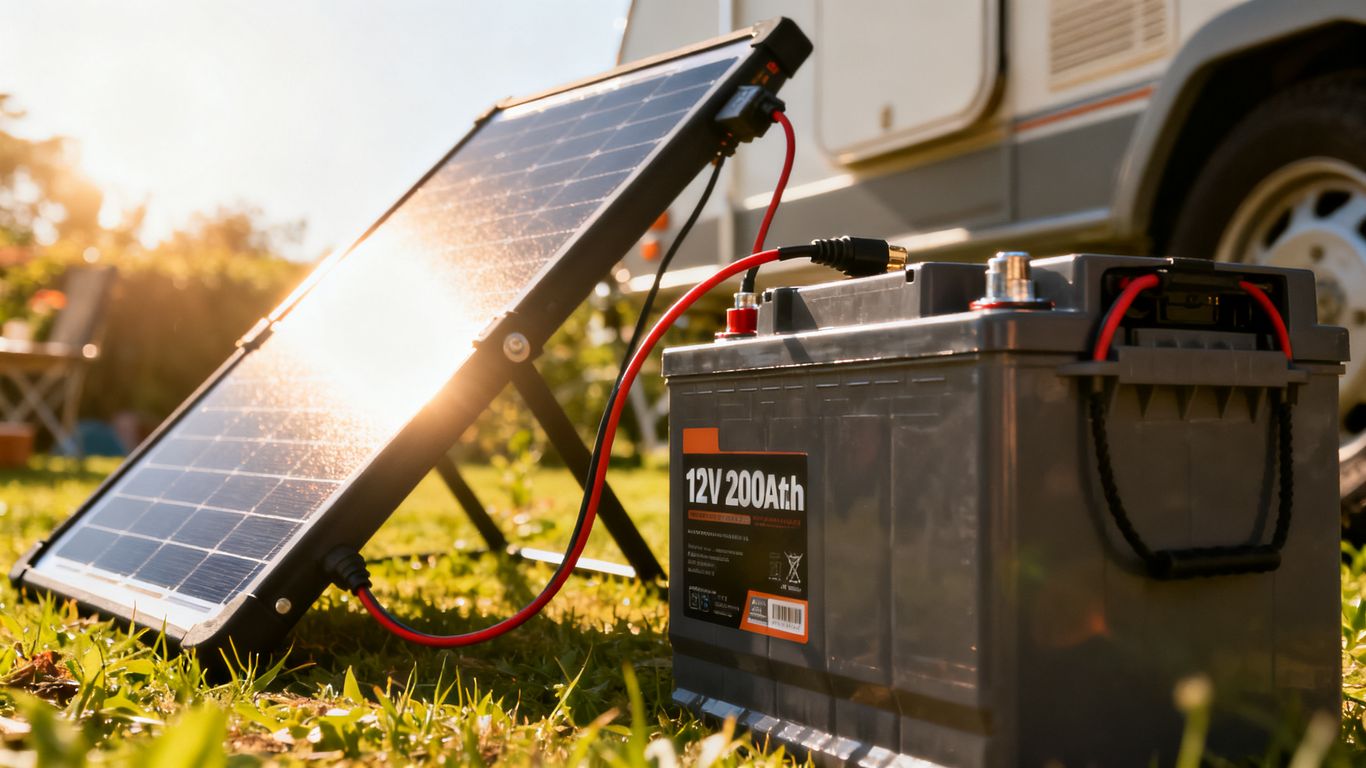
Virtual electricity storage, sometimes called a virtual battery, represents an innovative approach to managing your energy consumption and production. It’s not a physical battery you install at home, but rather a digital management system. This system allows you to virtually store energy that you don’t immediately consume, often from your solar panels, and reuse it later. The main idea is to optimize the use of your own production and reduce your dependence on the traditional electrical grid.
Fundamental Principles of Virtual Storage
The operation of virtual storage is based on a simple principle: when your installation produces more electricity than you consume at a given moment, the surplus is not lost. Instead, it is injected into the public electricity grid. Your energy provider records this injection and credits you with an equivalent amount of electricity, expressed in kilowatt-hours (kWh). Later, when your production is insufficient (e.g., at night or during cloudy weather), you can
Technologies Supporting Virtual Storage
For virtual electricity storage to work effectively, several technologies are implemented. They allow for the management of energy flows, optimization of available capacities, and better integration of renewable energy sources that do not always produce consistently.
Intelligent Energy Flow Control
The core of virtual storage relies on precise control of electricity exchanges. This involves knowing when to inject energy into the grid, when to withdraw it, and how to best utilize available storage capacities. This is achieved through advanced control systems that analyze production, consumption, and market prices in real-time. These systems aim to maximize energy efficiency while minimizing costs.
Optimization of Storage Capacities
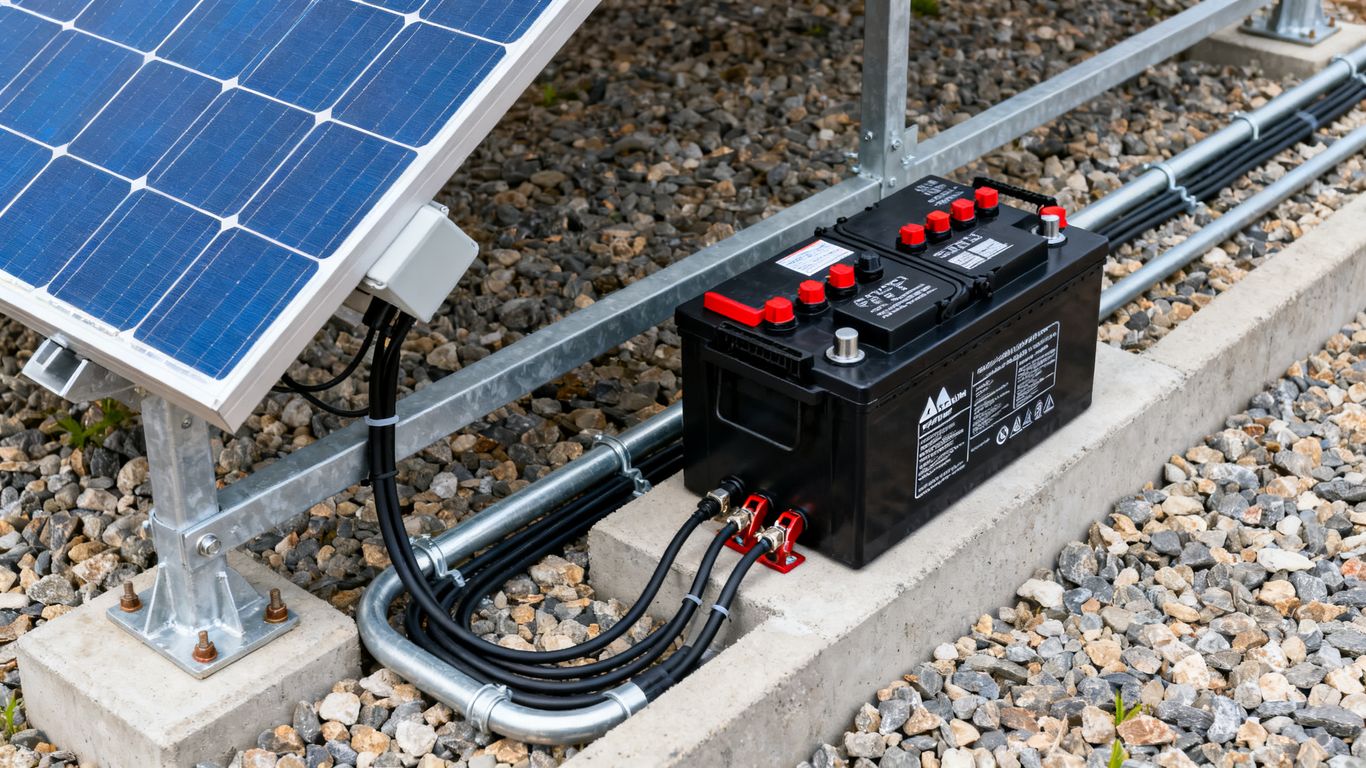
The goal is to avoid wasting stored energy. Current technologies allow for dynamic management of physical batteries or other forms of storage. For example, multiple solutions can be combined to leverage their respective advantages. Consider pairing a battery with a thermal storage system, such as a water heater, for better utilization of solar energy combining multiple storage solutions.
Here are some key aspects of this optimization:
- Demand Forecasting: Anticipating electricity demand to adjust storage usage.
- Charge Management: Deciding when to charge or discharge batteries based on prices and availability.
- Grid Balancing: Using storage to stabilize the voltage and frequency of the electrical grid.
Integration of Intermittent Renewable Energies
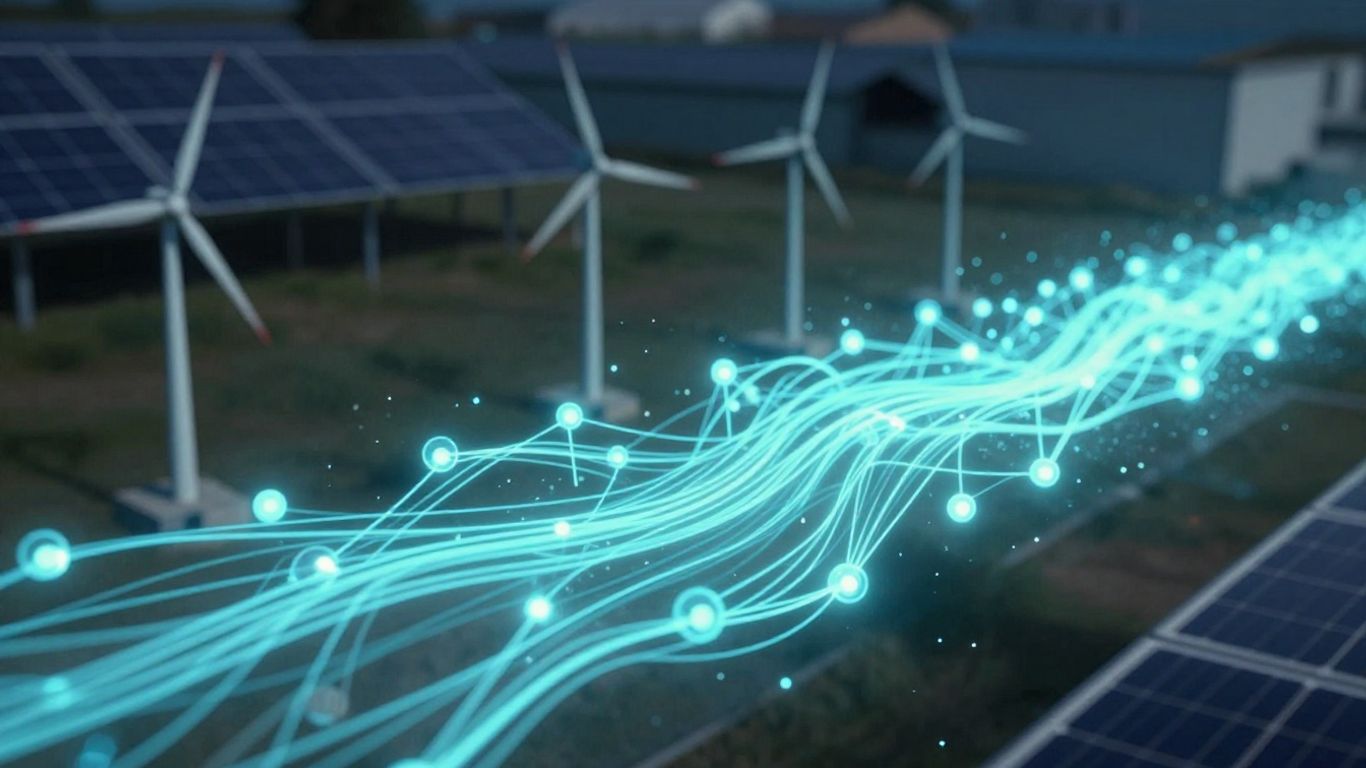
Energies like solar and wind are inherently variable. Virtual storage plays an important role in smoothing out these intermittencies. It allows for the storage of surplus energy produced when the sun shines or the wind blows, and its release when production is low. This helps make the grid more stable and increases the share of renewable energies in the energy mix. The objective is to have a reliable power supply, even when weather conditions are not optimal improve solar self-consumption.
Virtual storage, thanks to these technologies, transforms how we manage electricity. It makes the grid more flexible and resilient to the challenges of the energy transition.
Optimization and Profitability Strategies

To make the most of virtual electricity storage, it is essential to adopt well-thought-out optimization and profitability strategies. This involves understanding how to best leverage market fluctuations and your system’s capabilities.
Leveraging Variable Electricity Tariffs
Electricity tariffs are not constant; they vary depending on the time of day, demand, and energy source availability. A good strategy is to buy electricity when prices are low and sell or use it when prices are high. This requires some anticipation and a good understanding of consumption cycles. For example, during off-peak hours, often at night, electricity is generally cheaper. Your virtual storage system can be configured to charge during these periods. Then, when demand increases and prices rise, you can either use the stored energy to reduce your consumption or feed it back into the grid if your contract allows. This active management of energy flows is key to reducing your bills.
Valuing Excess Energy
When your energy production exceeds your immediate consumption, you are left with a surplus. Virtual storage offers ways to value this energy. Instead of letting it go to waste, you can store it virtually for later use or sell it. Excess energy selling mechanisms vary by region and contract, but they represent a potential source of income. It is important to inquire about the conditions for repurchasing electricity by providers or grid operators. Consider exploring different multi-market revenue strategies to maximize your earnings.
Reducing Operational Costs
Beyond simply reducing electricity bills, virtual storage helps lower overall operational costs. By smoothing out demand peaks, you avoid additional costs related to subscribed power. Furthermore, optimized management can reduce wear and tear on certain equipment by preventing unnecessary full-load operations. Analyzing consumption and production data helps identify inefficiencies and adjust parameters for increased performance. Here are some ways to achieve this:
- Predictive Analysis: Using historical data and weather forecasts to anticipate needs and electricity prices.
- Automation: Implementing systems that automatically adjust energy flows based on tariffs and demand.
- Condition-Based Maintenance: Monitoring the condition of equipment connected to the system to prevent costly breakdowns.
Optimizing virtual storage is not limited to buying and selling electricity. It encompasses a comprehensive approach to energy management, aiming to maximize efficiency and minimize expenses throughout the system’s lifecycle. A good understanding of market mechanisms and constant adaptation are necessary to reap all its benefits.
It is also relevant to consider how virtual storage integrates into a broader approach, such as optimizing solar self-consumption. Knowing when to store, when to consume, and when to sell is an art that is learned and refined over time, just like maximizing your solar investment.
Concrete Applications of Virtual Storage
Virtual electricity storage is no longer just a theoretical idea; it is finding very real applications that are transforming how we manage energy. Let’s see how this technology is being deployed in different sectors.
Smart Grids and Smart City Management
In the realm of smart cities, virtual storage plays a key role in optimizing electrical grids. It allows for better integration of renewable energy sources, which are often intermittent, and for managing peak demand. Intelligent energy flow management platforms thus coordinate various assets, from residential solar panels to generators, for decentralized and efficient management. This translates into better grid stability and reduced energy losses. For example, in residential areas equipped with solar panels, surplus electricity can be virtually stored and fed back when needed, thus avoiding the use of more expensive or less ecological energy sources. The goal is to make the grid more resilient and responsive to variations in production and consumption.
Optimization of Industrial Processes
For the industrial sector, virtual storage offers interesting prospects in terms of energy efficiency and cost reduction. It can be used to smooth out the electricity consumption of production sites, especially those with significant and variable energy needs. By anticipating periods of high demand or tariff variations, companies can adjust their consumption and virtually store the necessary energy for critical moments. This not only reduces electricity bills but also improves overall process performance. For example, in heavy industry, virtual storage can help optimize material mixing and furnace temperatures for optimal quality while minimizing energy consumption. Virtual simulations allow for testing thousands of combinations to identify the most efficient settings.
Improving Building Performance
Buildings, whether residential or commercial, represent a significant portion of energy consumption. Virtual storage, often coupled with building management systems (BMS), allows for optimized electricity consumption. It can be used to intelligently manage heating, cooling, and lighting based on electricity tariffs, weather, and occupancy. For example, a building can virtually store energy during off-peak hours to use it during peak demand, thereby reducing costs and environmental impact. The integration of intelligent flow control systems is crucial here to maximize benefits. This helps make buildings more energy-efficient and comfortable for their occupants.
Here are some examples of concrete applications:
- Smart Grids: Coordination of energy assets for better grid stability.
- Industry: Smoothing electricity consumption and optimizing production processes.
- Buildings: Intelligent management of heating, cooling, and lighting to reduce costs.
Virtual electricity storage enables finer and more responsive management of energy resources. It is a key technology for supporting the energy transition and building a more sustainable future. Optimizing storage capacities is at the heart of these advancements.
Challenges and Prospects of Virtual Electricity Storage
Virtual electricity storage, while promising, is not without its challenges. It’s important to understand that this approach, which relies on intelligent management of energy flows, encounters obstacles on both technological and regulatory levels. The constant evolution of these areas requires constant vigilance.
Regulatory and Technological Evolutions
The legal framework surrounding virtual storage is still under construction. Regulators are working to define clear rules for energy injection and withdrawal, as well as for the valuation of services provided to the grid. It is important to follow these changes to adapt your strategies. At the same time, technological advancements, particularly in batteries and management software, open up new possibilities but also require regular updates to your equipment and systems.
- Adaptation to new market standards.
- Integration of hardware innovations.
- Data and control system security.
Calculating Return on Investment
Precisely determining the return on investment (ROI) for virtual storage can be complex. Several variables must be considered: installation costs, fluctuating electricity prices, potential revenue from reselling energy or ancillary services, and maintenance costs. Rigorous analysis is necessary to assess the profitability of such projects. For example, the optimization of storage capacities can be influenced by the lifespan of batteries and their performance over time.
Uncertainty about future electricity prices and the evolution of energy service remuneration mechanisms make ROI calculation particularly delicate. A cautious approach and simulations based on different scenarios are recommended.
The Role of Artificial Intelligence
Artificial intelligence (AI) plays an increasingly important role in virtual storage. It allows for the analysis of vast amounts of real-time data to predict renewable energy production, anticipate demand, and optimize energy flows. AI thus helps maximize profitability and improve grid stability. For example, advanced algorithms can help decide when to store energy, when to consume it, and when to feed it back into the grid, taking into account weather forecasts and electricity tariffs. The integration of AI is therefore a key prospect for the future of virtual storage, although its implementation may pose challenges, particularly in terms of reliability and cost. The lack of a stable electricity supply remains a major obstacle in some regions, such as Africa, for the development of digital projects that could benefit from these optimization technologies.
Towards an Optimized Energy Future
In summary, virtual electricity storage, far from being a mere idea, is proving to be a key component for a more stable and greener energy future. As you’ve seen throughout this article, solutions exist, whether they are already in place or under development. The integration of these technologies, whether smart batteries, predictive flow management, or leveraging renewable energies, paves the way for unprecedented optimization of our consumption. It is now up to you, as an actor or observer in the sector, to evaluate these different approaches and choose those that best suit your needs and objectives. The time is now to act together to build a more resilient and sustainable energy system.
Frequently Asked Questions
What is virtual electricity storage, in simple terms?
Imagine you’re not storing electricity in a big physical battery at home. With virtual storage, it’s like using a bank account for your energy. You inject electricity when it’s cheap or when you have too much, and you withdraw it when you need it or when it’s expensive. It’s intelligent management that uses data to know when to buy, sell, or use your energy.
How does virtual storage help make the electrical grid more stable?
The electrical grid must always have as much electricity coming in as going out. Virtual storage helps balance this. When there’s too much electricity (e.g., when there’s a lot of sun and wind), it can be ‘virtually stored.’ When there’s less electricity available, it can be ‘withdrawn’ from this virtual storage. This prevents overloads or shortages on the grid, much like a conductor ensuring everyone plays at the right time.
Is virtual storage good for the environment?
Yes, absolutely! By using electricity when it’s cheapest and most available, often produced by renewable sources like the sun or wind, we use that energy more efficiently. This reduces the need to run less eco-friendly power plants when demand is high. Furthermore, by avoiding energy waste, we contribute to a greener future.
How does virtual storage allow for savings?
This is one of the big advantages! Electricity prices change all the time. Virtual storage allows you to buy electricity when it’s cheap (e.g., at night) and use it when it’s more expensive (during the day). If you produce your own electricity, like with solar panels, you can also store it virtually and sell it when the price is attractive, instead of letting it go unused.
What technologies make virtual storage possible?
It requires intelligent computer systems that constantly monitor electricity prices, weather (to forecast solar and wind production), and your consumption. These systems use algorithms to decide when to store or use energy. It’s like a brain making the best decisions for you, based on a lot of data.
Is virtual storage complicated to set up for a home or business?
The setup can vary, but the idea is to simplify energy management. Often, specialized companies offer solutions that handle the technical aspects. You don’t need to be an expert. The goal is to make energy use smarter and more economical for you, without it being too complicated to manage daily.