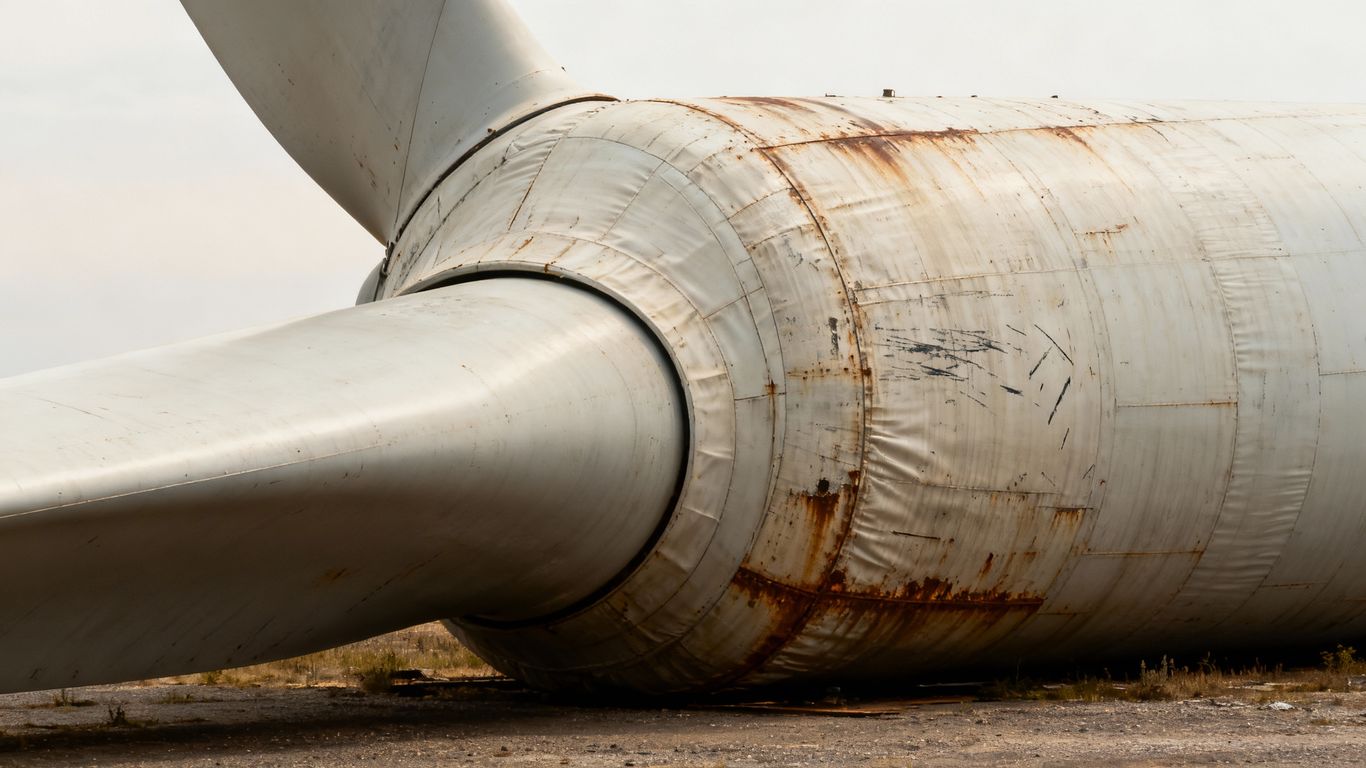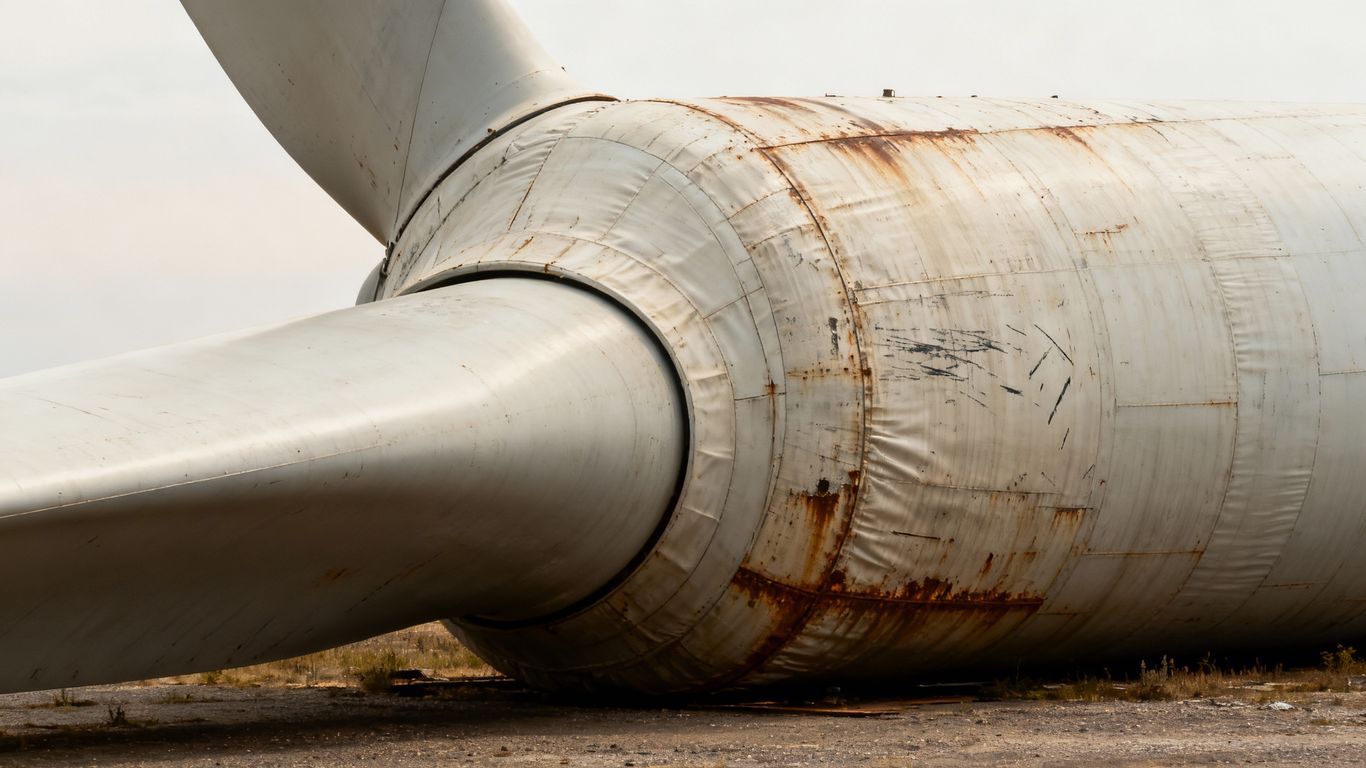
Are you wondering about the fate of wind turbines at the end of their life? That’s an excellent question, because the ecological transition doesn’t stop at the installation of these giants. Wind turbine recycling is a complex subject, especially when it comes to the blades. This article sheds light on the challenges and emerging solutions for giving these components a second life.
Key Points of Wind Turbine Recycling
- Wind turbine recycling primarily concerns turbines reaching the end of their lifespan, which have an average service life of 25 years. Regulations require dismantling and recycling of over 90%.
- Metallic components like steel and concrete, as well as copper and aluminum, are easily recyclable through existing channels.
- Composite material blades represent the main challenge in wind turbine recycling, as they are difficult to break down and recover value from.
- Innovations are emerging to develop recyclable thermoplastic resins and chemical or mechanical processes for treating composites, such as the Zebra project.
- Creative applications are emerging for reusing blades, ranging from urban furniture to sports equipment like skis, contributing to the circular economy.
Wind Turbine Recycling: A Major Challenge for the Ecological Transition
While wind energy is a cornerstone of our transition to a greener future, it’s essential to consider the complete life cycle of these installations. The first generations of wind turbines, installed a few decades ago, are now reaching the end of their operational life. Their dismantling raises important questions about waste management and the sustainability of this technology. It’s not enough to produce clean energy; we must also responsibly manage components that are no longer useful.
Composition of Wind Turbines and Recyclability Rate
An average wind turbine is a complex assembly of materials. Fortunately, a large portion of these components is already well-integrated into existing recycling streams. It is estimated that 80 to 90% of a wind turbine can be recycled.
- Steel and Iron: These constitute the majority of the structure, particularly the tower. These metals are easily collected and recycled in traditional steel mills.
- Copper and Aluminum: Found in cables, ladder systems, and platforms, these metals have high recovery value and are commonly recycled.
- Concrete: The foundations of wind turbines, often massive, can be crushed and reused in construction or for creating new roads.
- Electronics and Batteries: Electronic components and batteries, although representing a small fraction of the total weight, are subject to specific recycling streams to recover precious materials and prevent pollution.
Challenges Posed by Composite Material Blades
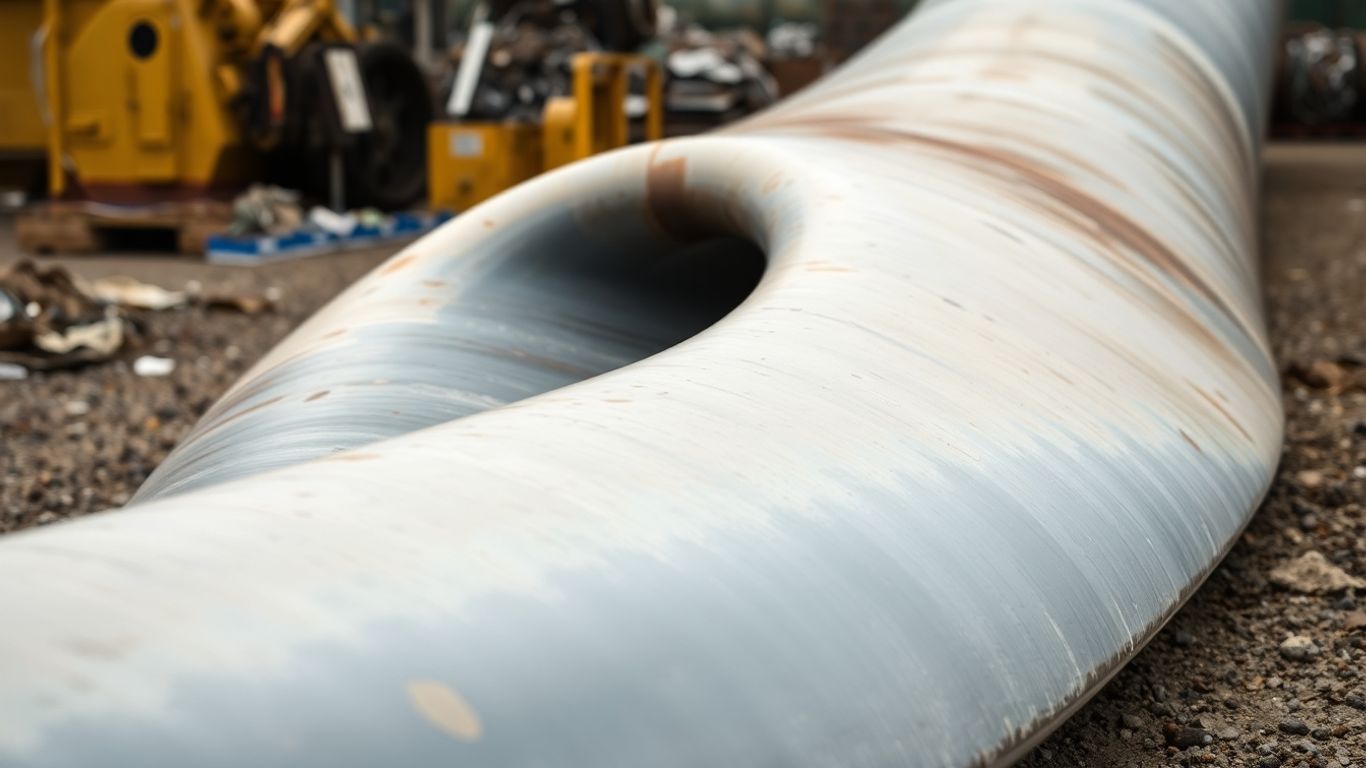
The main challenge lies with the blades. Made from composite materials, they are designed to be both lightweight and extremely strong. This blend of fibers (glass or carbon) and resins (often epoxy) gives them excellent aerodynamic properties, but makes their recycling particularly difficult. Current techniques struggle to effectively separate these materials without degrading their properties, which limits their recovery value.
The management of end-of-life blades represents a potentially significant volume of waste. Without appropriate recycling solutions, they risk ending up in landfills or being incinerated, which goes against the principles of the circular economy.
Regulation and Dismantling Requirements
With the increasing number of wind turbines reaching the end of their operational life, regulations are evolving. Authorities are increasingly mandating detailed dismantling plans, including recycling and component recovery targets. It is becoming imperative for manufacturers and operators to find solutions for processing this waste, especially composite blades, in order to comply with environmental standards and minimize the ecological impact of wind energy.
Recovery of Metallic and Mineral Components
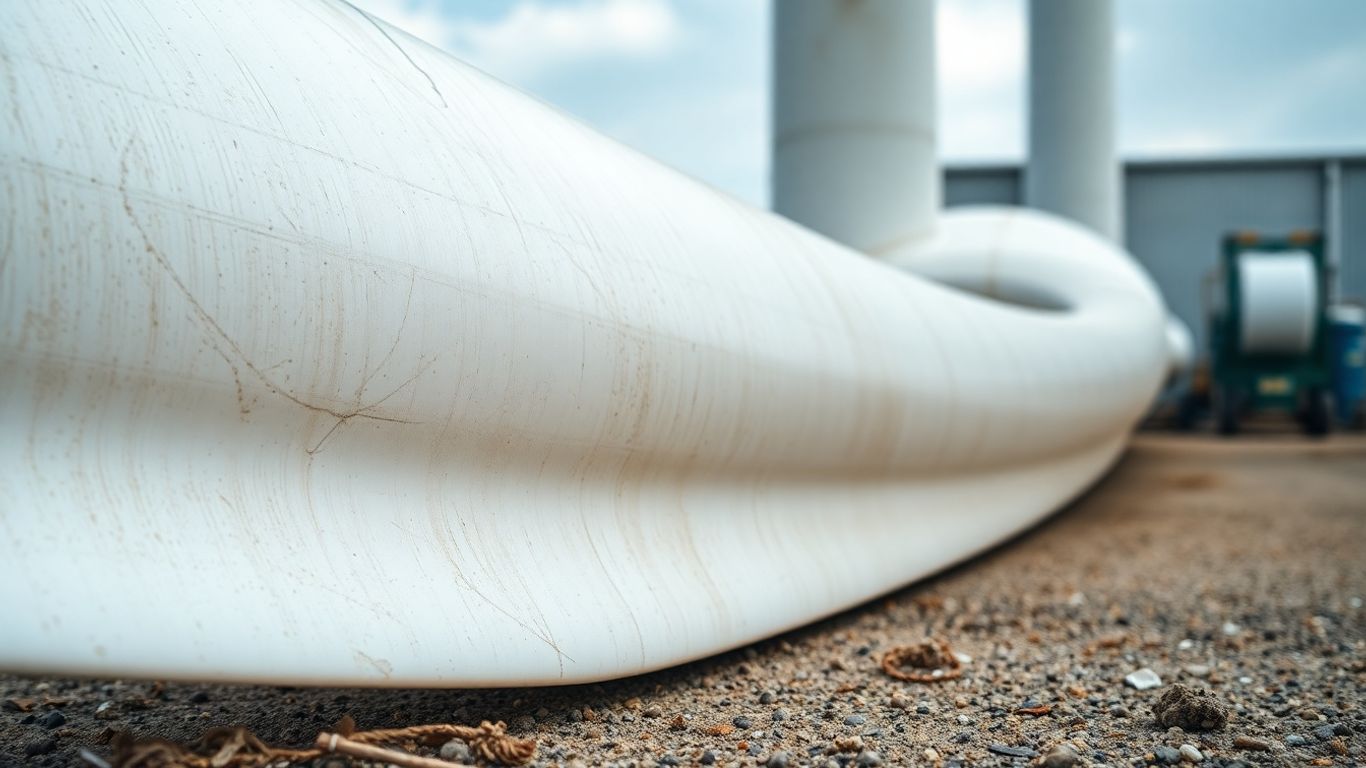
When considering the complete life cycle of a wind turbine, it’s important to think about the recovery and valorization of its various components. Fortunately, a large part of a wind turbine is made of materials that easily fit into existing recycling streams. This primarily concerns metallic and mineral elements.
Recycling of Steel and Concrete
Steel, which often makes up the tower and rotor shaft, is a material well-known to recyclers. It is collected, sorted, and remelted without difficulty to be reused in new manufacturing. Similarly, the concrete used for the foundation, although massive, can be crushed. Once reduced to aggregate, it finds new use in construction, whether for making bricks, road elements, or other structures.
- Steel and concrete represent a significant portion of a wind turbine’s weight, and their recycling is already a common practice.
Recovery of Copper and Aluminum
Beyond the main structural elements, other metals are present in a wind turbine. Copper, essential for electricity generation and found in cables, is a precious metal whose recycling is widespread. Aluminum, found in ladders or platforms, follows the same path. These metals have a market value that encourages their recovery.
Challenges Related to Permanent Magnets and Rare Earths
Modern wind turbines, especially high-power ones, incorporate permanent magnets. These magnets often contain rare earth elements, whose supply is geographically concentrated and whose extraction can have an environmental impact. Their recovery is therefore a strategic issue. Processes like hydrogen decrepitation or alternative chemical methods are being developed to separate these precious elements and allow their reuse, in order to reduce dependence on primary extraction sources and limit the costs associated with their rising prices.
Innovating for Composite Blade Recycling
Limitations of Current Recycling Techniques
As you may know, wind turbine blades are primarily made from composite materials. These materials, a blend of resins (often epoxy) and fibers (glass or carbon), give them the lightness and strength needed to capture wind. However, this complex composition poses a major challenge for their recycling. Traditional methods, such as incineration or landfilling, are not sustainable solutions. Incineration releases pollutants, and landfilling takes up valuable space. Mechanical techniques, which involve grinding the blades, produce short fibers that lose much of their initial properties, limiting their reuse in high-performance applications. Chemical recycling, while promising, often remains costly and energy-intensive, requiring specific solvents to separate the components. It is therefore imperative to find more environmentally friendly alternatives.
Development of Recyclable Thermoplastic Resins
Faced with these constraints, research is focusing on developing new materials. A particularly interesting avenue is the use of thermoplastic resins. Unlike conventional thermosetting resins, thermoplastics can be softened by heat and reshaped multiple times without losing their properties. This opens the door to simpler and more efficient recycling. Ambitious projects are working to integrate these new resins into blade manufacturing. The goal is to design blades that, at the end of their life, can be easily dismantled and whose materials can be reused in the production of new blades or other high-quality products. This fits perfectly into a circular economy approach, where resources are used and reused to the maximum.
The Zebra Project and its Advances
A concrete example of this innovation is the Zebra (Zero wastE Blade ReseArch) project. This industrial consortium, bringing together major players in the sector, has taken a significant step by developing the first full-scale prototype wind turbine blade using thermoplastic resins. This project aims to make blades fully recyclable. The advances made within the framework of Zebra open up the prospect of a commercially viable solution in the near future. Other research, such as that conducted at Michigan State University, is even exploring the creation of resins that, once recycled, could be transformed into potassium lactate, a component used in the food industry. These initiatives demonstrate the creative and technological potential to transform industrial waste into a valuable resource, thus contributing to the sustainability of the wind industry.
The challenge of recycling composite blades is complex, but current innovations, particularly the adoption of thermoplastic resins and collaborative projects like Zebra, show a promising path towards a true circular economy for wind energy.
Giving Wind Turbine Blades a Second Life
Wind turbines, while central to our energy transition, pose a significant challenge once their service life is reached. While a large part of their structure is recyclable, the blades, made from composite materials, represent a real puzzle. Fortunately, innovative solutions are emerging to transform these components into valuable resources.
Applications in the Construction Sector (BTP)
End-of-life wind turbine blades are finding new uses in the building and public works sector. Shredded into fine fibers, they can be incorporated into concrete or mortar mixes. This allows for the creation of more resistant and durable construction materials, perfect for roads, slabs, or various structures. This approach prevents these materials from ending up in landfills or being incinerated, thus contributing to better waste management. The company Regen Fiber, for example, is developing fibers from blades to reinforce construction materials, aiming to recycle over 30,000 tons of blades per year in the long term.
Creation of Urban Furniture and Equipment
Beyond construction, composite blades are suitable for manufacturing everyday objects. Their robustness and weather resistance make them ideal candidates for urban furniture. Imagine benches, shelters, or signage elements made from these recycled materials. This not only reduces waste but also adds a touch of originality to our cities. Initiatives are also exploring their use for more specific equipment, demonstrating the versatility of these materials.
Examples of Creative Initiatives (Skis, Shelters)
The imagination of designers and manufacturers knows no bounds when it comes to recycling wind turbine blades. We are seeing bold projects emerge: skis made from these composites, offering lightness and performance, or even shelters for bicycles designed to last. These concrete examples show that it is possible to give a surprising second life to materials that would otherwise be considered waste. The Zebra project, for instance, aims to develop fully recyclable blades, paving the way for a more advanced circular economy for the wind sector. Another research project has even led to the creation of a resin that, once processed, can be used to make edible gummy bears, illustrating the unexpected potential of these materials to give a new life.
The valorization of wind turbine blades is a rapidly expanding field. Current solutions, while promising, are not yet sufficient to handle all the waste generated. Research continues to develop more efficient recycling methods and design materials that facilitate this second life.
Future Prospects and Solutions for Wind Turbine Recycling
The future of wind turbine recycling is taking shape with clear objectives: fully integrating the circular economy into the sector. You might be wondering how we will achieve this. The industry is actively working on designing fully recyclable blades, a major advancement for reducing the environmental impact of wind energy. The goal is to achieve 100% recycling solutions within a few years.
Several avenues are being explored to reach this ideal. One of the most promising involves the development of new thermoplastic resins. Unlike current thermosetting resins, these materials can be remelted and reused indefinitely, paving the way for true closed-loop recycling. Projects like ZEBRA (Zero wastE Blade ReseArch) are at the forefront of this research, bringing together industrial and technological players to test and validate these new approaches. The idea is to rethink the entire life cycle of blades, from their manufacturing to their end-of-life, for a reduced carbon footprint.
Beyond the blades, research extends to all components. The goal is to maximize the recovery of each material, whether it’s metals, concrete, or more complex elements like permanent magnets. The ambition is to move from a model where materials are simply recovered to one where they are reintegrated into new production cycles, thus reducing reliance on virgin resources. This involves developing more efficient and cost-effective separation and processing technologies. You can already see initiatives aiming to recycle over 30,000 tons of blades per year, a figure expected to increase with the deployment of these new solutions.
Here are some key points to understand the prospects:
- Development of 100% Recyclable Materials: Priority is given to research on thermoplastic composites for future blades.
- Optimization of Existing Processes: Improving mechanical and chemical recycling techniques for current blades to reduce waste sent to landfills or incinerated.
- Creation of Valorization Channels: Encouraging the development of concrete applications for recycled materials, such as in the construction sector or for manufacturing urban furniture.
The wind industry is resolutely committed to a circular economy approach. It’s no longer just about producing green energy, but also about managing the entire life cycle of wind turbines sustainably. Current innovations, though sometimes complex, are paving the way for a future where blade recycling will no longer be an insurmountable challenge, but an opportunity to create new resources and reduce our ecological impact. The goal is to make the entire process more environmentally friendly, in line with the principles of sustainable development.
The path to complete and economically viable recycling is still long, but progress is real. Continuous innovation and collaboration among the various stakeholders in the sector are key to transforming these challenges into sustainable successes.
A Greener Future for Wind Turbine Blades
As the first generations of wind turbines reach the end of their life, the challenge of recycling their blades, often made of complex composite materials, is becoming a priority. Fortunately, innovative solutions are emerging. Companies are working to transform these blades into useful materials for construction, such as reinforcements for concrete, while others are exploring chemical methods to separate fibers from resin. We are even seeing skis made from recycled fibers. These advances show that it is possible to give these components a second life, thereby reducing waste and environmental impact. You can therefore be pleased to see these technologies develop, contributing to a more sustainable life cycle for wind energy.
Frequently Asked Questions
Can all parts of a wind turbine be recycled?
In theory, a large part of wind turbines, like the steel tower or copper cables, are easily recycled. However, the blades, made of a special composite material, pose a greater recycling challenge, even though innovative solutions are emerging.
Why are wind turbine blades so difficult to recycle?
Blades are made from composite materials, often a mix of fibers (like glass or carbon) and resin (like epoxy). This mixture is very strong and light, perfect for blades, but makes it difficult to separate and recycle with traditional methods.
What happens to wind turbine blades when they are no longer used?
In the past, they often ended up in landfills or were incinerated. Fortunately, new ideas are appearing! They are now being transformed into materials for construction, urban furniture, or even skis or shelters.
What new materials are being used to make more recyclable blades?
Researchers are working on special resins called thermoplastics. These materials soften with heat and can be remelted, allowing them to be recycled more easily. Projects like ‘Zebra’ are exploring these avenues.
What are the concrete applications of recycled blades?
You might see recycled blades used in construction, for example, to reinforce concrete. They are also used to make urban furniture, like benches or trash cans, and even everyday items like skis!
What is the main goal of wind turbine recycling?
The idea is to give these materials a second life to reduce pollution and the use of new resources. It’s a way to make wind energy even more ecological and to be part of a circular economy, where nothing is wasted.