Looking to connect three-phase equipment to a single-phase network, perhaps to power a specific motor or an industrial machine? The idea of integrating a single-phase to three-phase inverter might seem complex, but it’s an increasingly accessible solution. This article guides you through the technical aspects so you can understand how this technology works and how it can adapt to your needs, even if you’re starting with a single-phase power supply, like that from a single-phase solar panel on a three-phase installation.
Key Takeaways
- A single-phase to three-phase inverter transforms a single-phase power supply into a stable three-phase output, ideal for running three-phase machinery where only single-phase power is available.
- These devices preserve the functionalities of three-phase equipment and improve motor startup thanks to controlled acceleration profiles, reducing mechanical wear.
- The quality of the output power is ensured by advanced modulation algorithms and filtering systems, guaranteeing clean and reliable power for your devices.
- Integrating such an inverter reduces infrastructure costs by avoiding expensive three-phase connections, thus offering installation flexibility and mobility for your equipment.
- It optimizes energy efficiency, allows precise control of motor speed and torque, and includes protection and diagnostic functions for simplified operational management.
Understanding the Role of the Single-Phase to Three-Phase Inverter
Energy Conversion Principles
A single-phase to three-phase inverter is a device that takes a simple electrical supply, like the one found in most homes, and transforms it into a three-phase supply. It’s a bit like a translator for electricity. It allows you to use machines and motors that require a three-phase supply, even if your installation doesn’t natively have it. The core of this transformation relies on electronic components that artificially create three distinct alternating currents. These currents are out of phase with each other, typically by 120 degrees, which is the signature of a three-phase supply. It is this structure that allows three-phase motors to operate more smoothly and efficiently. The main goal is to make three-phase equipment accessible where only single-phase power is available, without having to modify the entire existing electrical infrastructure. It’s a practical solution for many applications, from small workshops to farms. Think of it as a way to bring industrial power into a simpler environment, much like an energy converter for your machines.
Synthesis of Three-Phase Waveforms
The magic of the single-phase to three-phase inverter lies in its ability to
Integration and Compatibility with Existing Equipment
Preservation of Three-Phase Functionalities
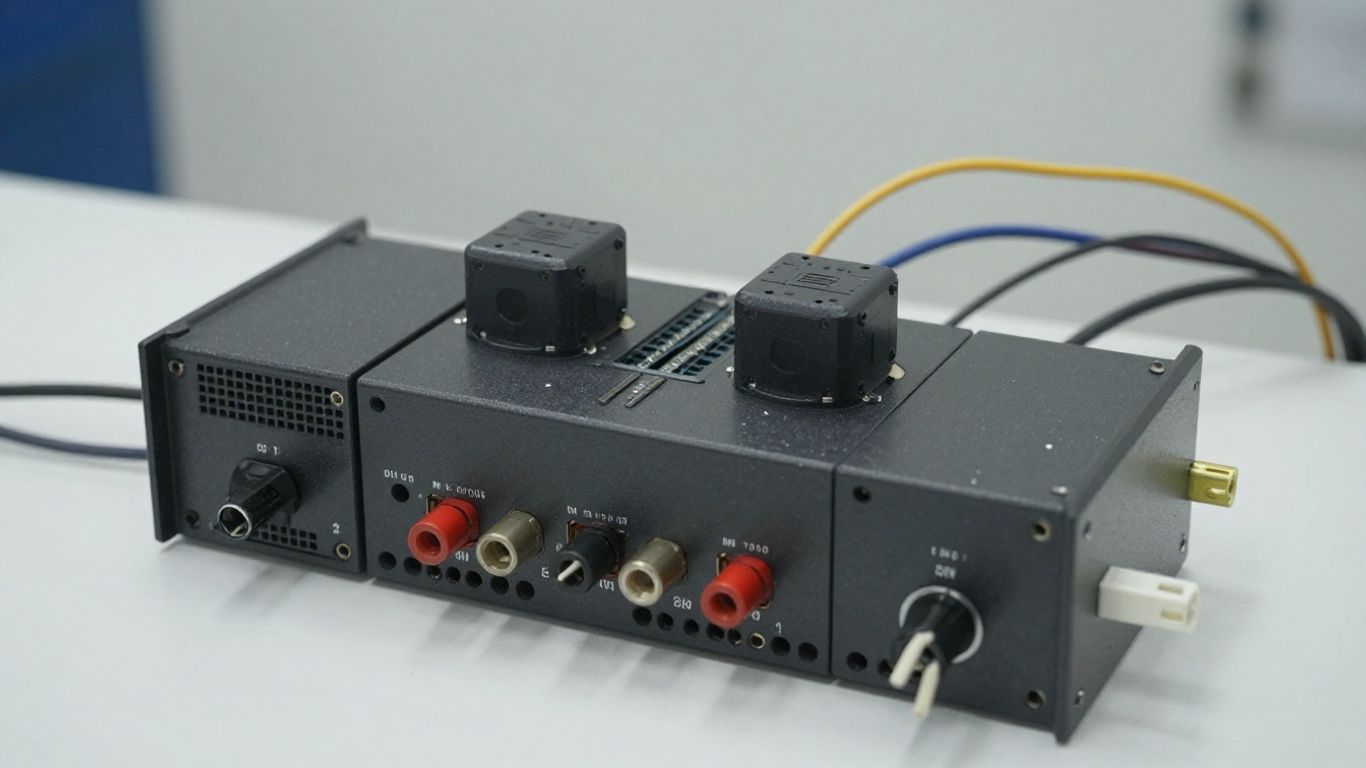
Integrating a single-phase to three-phase inverter into your existing installation primarily aims to maintain, or even improve, the performance of your equipment that requires a three-phase supply. These inverters are designed to generate a three-phase alternating current, where each phase carries an identical intensity. This prevents current imbalances that can cause uneven heating and loss of efficiency in motors and other machinery. You will thus be able to continue using your three-phase machines without fear of degrading their operation.
Adaptation to Load Requirements
Beyond simple motors, many modern devices, such as variable frequency drives (VFDs), servo systems, or numerically controlled (CNC) machines, rely on a stable, high-quality three-phase supply to function correctly. The single-phase to three-phase inverter provides precisely this reliable electrical environment. It allows these sophisticated devices to reach their full potential without requiring costly modifications or compromising their performance. Furthermore, modern inverters often integrate communication protocols that facilitate their connection to building automation systems or programmable logic controllers (PLCs), creating unified control networks for improved efficiency.
Improved Motor Startup
The startup of three-phase motors can be a source of stress for the electrical supply, causing significant current spikes. A properly configured single-phase to three-phase inverter can manage these spikes more smoothly. It can adjust the output voltage and frequency for a gradual startup, which reduces mechanical stress on the motor and overall wear. This translates into a longer lifespan for your motors and a reduced risk of sudden failures.
Adapting the inverter to the specific characteristics of your loads is a key step. You must ensure that the inverter’s rated power is sufficient to handle the demand of all connected equipment, including motor startup surges. A preliminary analysis of your electrical needs will allow you to choose the most appropriate inverter model and avoid any overload or underperformance.
Here are some points to consider for successful integration:
- Voltage Compatibility Check: Ensure that the inverter’s input voltage matches your single-phase network and that the three-phase output voltage is suitable for your equipment.
- Power Capacity: Calculate the total power required by your devices, taking into account power factors and startup surges, to select an inverter with adequate safety margin.
- Output Wave Quality: Opt for inverters offering a pure sine wave to ensure compatibility with the most sensitive equipment and prevent overheating or malfunction.
- Communication Features: If you use automation systems, check for compatible communication ports (Modbus, Profibus, etc.) for easy integration.
Output Power Quality and Performance
Pulse Width Modulation Algorithms
The single-phase to three-phase inverter utilizes cutting-edge power electronic components and digital signal processing to achieve superior conversion performance, comparable to the quality of three-phase power supplied by public grids. At the heart of this technology are sophisticated Pulse Width Modulation (PWM) algorithms, which precisely control switching sequences to generate balanced three-phase waveforms with minimal harmonic distortion. The inverter incorporates high-speed microprocessors executing complex mathematical transformations, capable of continuously monitoring input conditions and adjusting output parameters in real-time, thus ensuring optimal power supply under varying loads.
Advanced Filtering Systems
Modern single-phase to three-phase inverters integrate advanced filtering systems using both passive and active components to eliminate switching noise and provide clean, stable output power. These filtering mechanisms include multi-cell inductors, high-capacitance capacitors, and digital filters, which work together to suppress electromagnetic interference and maintain sinusoidal waveforms at the output. The result is a power quality that often exceeds applicable public grid standards, thereby protecting sensitive equipment from voltage spikes, harmonics, and other electrical disturbances that could cause premature failure or performance degradation.
Thermal Management and Reliability
The integrated thermal management systems in the single-phase to three-phase inverter ensure reliable operation under demanding conditions through intelligent thermal design and active cooling strategies. Heat sinks, cooling fans, and thermal sensors cooperate to maintain optimal operating temperatures, while built-in protection circuits prevent thermal damage in case of overload. This robust thermal management extends equipment lifespan and preserves consistent performance across a wide temperature range, making the inverter suitable for demanding industrial environments. The technology also incorporates comprehensive diagnostic and monitoring capabilities, providing users with detailed information on system performance, energy consumption, and operational status. LED indicators, digital displays, and communication interfaces enable real-time monitoring and remote management, facilitating the implementation of predictive maintenance strategies and rapid troubleshooting.
Economic Advantages and Installation Flexibility
Integrating a single-phase to three-phase inverter into your existing installation offers notable economic benefits and increased installation flexibility. This allows you to access three-phase power without the prohibitive costs often associated with upgrading electrical infrastructure.
Reduced Infrastructure Costs
One of the main attractions of this technology is the elimination of the need to involve utility companies for expensive three-phase connections. This means you don’t have to bear the costs of trenching, specialized transformers, or lengthy approval processes. This approach makes three-phase equipment accessible to small businesses, workshops, and farms that were previously held back by major electrical investments. The savings realized can be reinvested in other aspects of your business.
Immediate Access to Three-Phase Power
Instead of waiting months for the power company to install a new three-phase service, a single-phase to three-phase inverter offers an immediate solution. You can put your three-phase machinery into operation much faster, which is particularly advantageous for tight-schedule projects or to meet increased demand. This speed of access is a major asset for staying competitive.
Equipment Mobility
Installation flexibility is another significant advantage. You are no longer limited by the presence of three-phase lines. Your equipment can be positioned wherever single-phase power is available. This is ideal for:
- Temporary installations on construction sites.
- Mobile workshops that need to move frequently.
- Seasonal activities requiring flexible configuration.
- Renovations where existing infrastructure is limited.
This mobility allows you to move your machinery without having to install a new electrical service each time, thus supporting more dynamic operations. You can even consider renewable energy solutions like PV + BESS systems to power these inverters, offering an autonomous and economical energy solution a reliable energy solution.
Adopting a single-phase to three-phase inverter transforms how you access and use three-phase power. It democratizes access to this technology, reduces upfront expenses, and offers unprecedented adaptability for your operational needs.
Optimization of Energy Efficiency and Operations
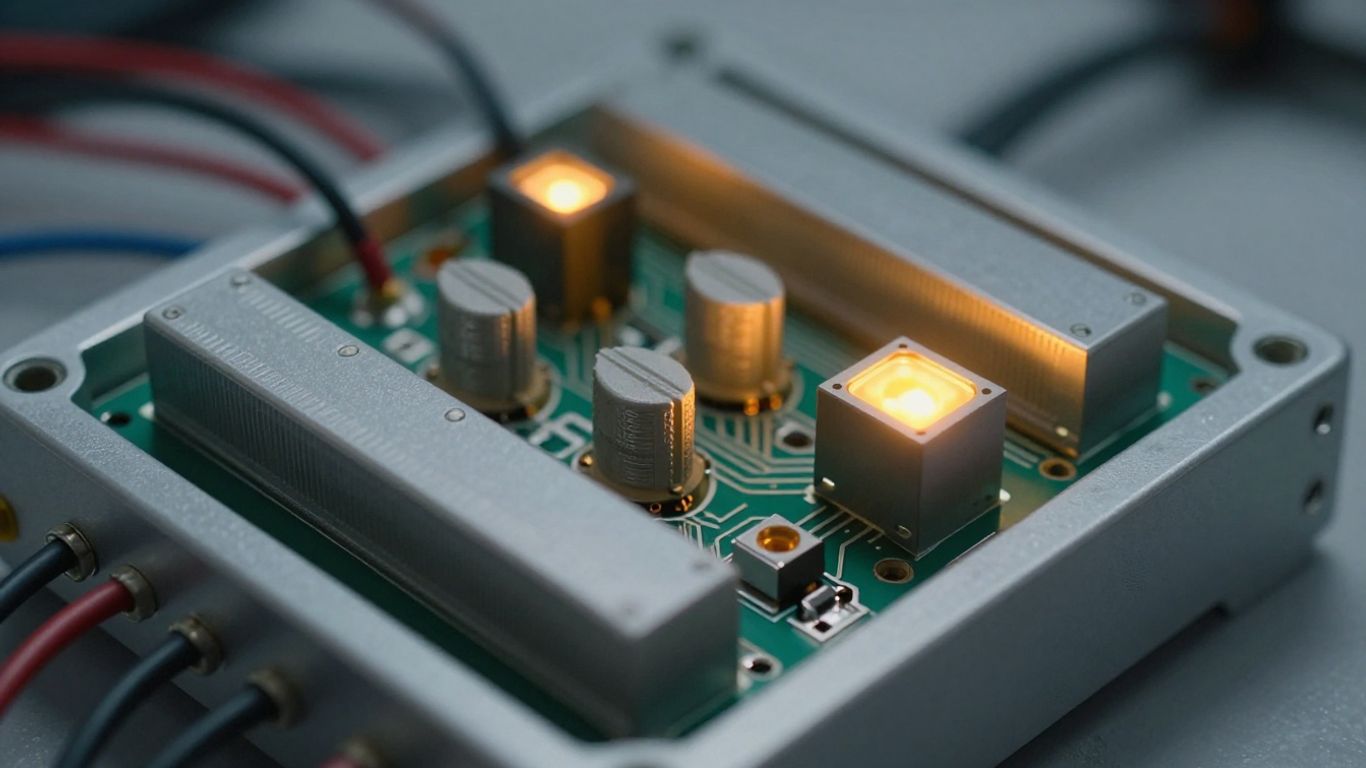
Integrating a single-phase to three-phase inverter goes beyond simple current conversion; it paves the way for finer and more efficient management of your equipment.
Operation of Three-Phase Motors
Three-phase motors, by their very design, offer superior efficiency and smoother operation compared to their single-phase counterparts. They benefit from more constant torque and easier starting capabilities, which translates into reduced mechanical wear and a longer lifespan. The inverter allows you to leverage these advantages, even if your main power supply is single-phase. You thus obtain more stable and cleaner power for your machines.
Energy Saving Features
Modern inverters incorporate intelligent features to reduce your electricity consumption. Among these are standby modes that decrease consumption when the equipment is not actively in use. Furthermore, load-proportional operation means the inverter only uses the energy needed at any given moment. For applications with frequent braking, regenerative braking can even send some energy back to the grid, thereby reducing your operating costs.
- Smart standby modes
- Power adaptation to load
- Regenerative braking systems
Judicious use of these energy-saving features can significantly impact your electricity bills, making the investment in an inverter even more profitable in the long run.
Productivity Improvement
Beyond savings, the inverter directly contributes to the efficiency of your processes. The ability to precisely control the speed and torque of three-phase motors allows for performance optimization for each specific task. This can mean faster production cycles, better manufacturing quality, and a reduction in errors or scrap. Programmable automation functions add an extra layer of flexibility, allowing you to adapt your equipment to changing needs without costly hardware modifications. Remote monitoring and integrated diagnostics also facilitate predictive maintenance, minimizing unexpected downtime and maximizing your machines’ uptime.
Protection Functions and Operational Control
Protection Against Electrical Anomalies
Integrating a single-phase to three-phase inverter into your installation is not just about energy conversion; it’s also about safety. These devices are equipped with robust protection systems to safeguard your equipment and personnel. They continuously monitor the system’s status and react quickly to problems. For example, overcurrent detection is fine enough to distinguish normal starting current from a dangerous fault. This selectively protects your machines while preventing damage from short circuits or insulation faults.
The inverter also monitors the input voltage. It detects voltage drops (the infamous ‘brownouts’), overvoltages, and even phase losses that could damage your devices. Automatic shutdown and restart functions are in place to manage grid disturbances, ensuring a smooth recovery when everything returns to normal. Furthermore, insulation fault protection detects current leaks that could cause electrocution, cutting off power to prevent any danger. There are even systems to detect electrical arcs, which can cause fires, and which shut everything down before it becomes serious.
Electrical safety is paramount. These inverters act as a protective barrier, ensuring your equipment operates under stable conditions, regardless of the electrical grid’s fluctuations.
Speed and Torque Control
Beyond protection, these inverters give you precise control over your motors. You can finely adjust their rotational speed and torque. This is particularly useful for applications requiring specific performance, such as in manufacturing or pumping systems. Variable speed control allows for optimization of energy consumption and adaptation of machine operation to the actual process needs.
Here are some benefits of speed and torque control:
- Soft Start: Reduces mechanical stress on motors and connected machinery, extending their lifespan.
- Precise Adaptation: Allows adjustment of speed and torque for specific applications, improving finished product quality.
- Energy Savings: By running motors at the required speed, you reduce electricity consumption.
Remote Monitoring and Diagnostics
Managing your equipment becomes simpler thanks to monitoring and diagnostic functions. You can track system performance, energy consumption, and operational status in real-time. Often, LED indicators, digital displays, or communication interfaces enable this monitoring. This facilitates predictive maintenance: you can anticipate problems before they occur, thereby minimizing unexpected downtime. Troubleshooting is also faster, as you have detailed information on the status of the inverter and connected machines. This remote diagnostic capability is a major asset for optimizing your equipment’s availability and reducing operating costs.
Conclusion
In summary, integrating a single-phase to three-phase inverter represents a clever technical solution for those who need to power three-phase equipment from a single-phase source. You have seen that this approach not only overcomes the limitations of existing electrical infrastructure but also offers significant advantages in terms of flexibility, performance, and even cost savings. By wisely choosing your equipment and adhering to good installation practices, you ensure an efficient and reliable energy transition for your three-phase machines. Remember that the quality of conversion is paramount for the longevity of your devices.
Frequently Asked Questions
What is a single-phase to three-phase inverter and what is it used for?
Imagine you have a regular electrical outlet at home (that’s single-phase) but you want to use a machine that needs a slightly different current, three-phase, like some large machines in workshops. The single-phase to three-phase inverter is like a translator: it takes the simple current from your outlet and transforms it into three-phase current to run your special machine. It’s very practical when three-phase power isn’t available.
Will my three-phase equipment work just as well with this inverter?
Absolutely! A good inverter is designed to mimic the original three-phase current. It ensures your machine receives the correct type of current, with the right ‘phases’ and voltage. It’s as if the machine is receiving its usual power supply, so it will function normally, with all its power and efficiency. It even helps motors start more smoothly, which is better for them.
Is the current quality provided by the inverter good?
Yes, modern inverters are very high-performing. They use smart techniques to create a very clean, almost defect-free three-phase current. They have special filters to remove electrical ‘noise’ and ensure the current is stable. It’s often as good as, or even better than, the current you receive directly from the electrical grid, which protects your equipment.
Is installing this inverter expensive?
That’s precisely one of its major advantages! Installing a three-phase line can be very expensive. With an inverter, you avoid these large costs. You can use your three-phase machines wherever you want, as long as there’s a single-phase outlet. It’s also very practical if you need to move your equipment, as you don’t need to recreate an electrical installation each time.
Does using an inverter save energy?
Yes, often! Three-phase motors are generally more efficient than single-phase motors. By using an inverter, you can take advantage of this efficiency. Additionally, many inverters have ‘energy-saving’ modes that reduce consumption when the machine isn’t working at full capacity. This can lower your electricity bills.
Does the inverter protect my equipment from electrical problems?
Absolutely. Inverters are equipped with several protections. They monitor the current to prevent overloads, protect against overheating, and can even manage minor voltage variations from the grid. Furthermore, the soft start for motors avoids electrical shocks that could damage the machines. It’s a kind of shield for your valuable equipment.