
Key Takeaways
The connection, access, and operation agreement, more commonly known by its acronym CRAE, is the administrative cornerstone that links every electricity producer to the public grid. This procedure guarantees the compliance and safety of your solar installations, while clarifying your obligations regarding energy transport costs.
- The CRAE formalizes the technical requirements for injecting your electricity production.
- Enedis acts as the central hub for managing connection studies.
- Payment of TURPE is a direct contribution to the maintenance of the electrical grid.
- The CONSUEL certificate remains the essential step before any actual power-on.
- Rigorous flow management is essential for self-consumption projects.
What is the Connection, Access, and Operation Agreement?
Signing a connection, access, and operation agreement is an unavoidable step for any project owner wishing to inject energy into the public distribution network. This technical and legal document defines the interactions between your installation and the national provider, while ensuring a harmonized regulatory framework. At Millennium Digital, we regularly emphasize that this contractualization is the cornerstone of your administrative peace of mind.
Legal Definition of the CRAE
The contract formalizes the official agreement between you, as the producer, and the public distribution network operator. It sets the conditions for using the infrastructure, the maximum authorized power, and the operational procedures necessary to maintain grid stability. This document legally validates the connection point where energy will be injected or drawn.
Electricity Producer’s Obligations
By signing this contract, you commit to adhering to strict technical standards to protect the safety of the transformer substation and adjacent lines. The maintenance of the installation and the upkeep of monitoring equipment are the producer’s responsibility. Compliance with these requirements is crucial to avoid any technical risks or incidents on the local grid.
Public Network Operator’s Responsibilities
The operator must guarantee grid access, subject to the technical availability of local infrastructure. They ensure service continuity, accurate metering of energy produced or injected, and the necessary operations to manage voltage variations based on the intermittent production you supply.
Enedis’s Fundamental Role in Connection
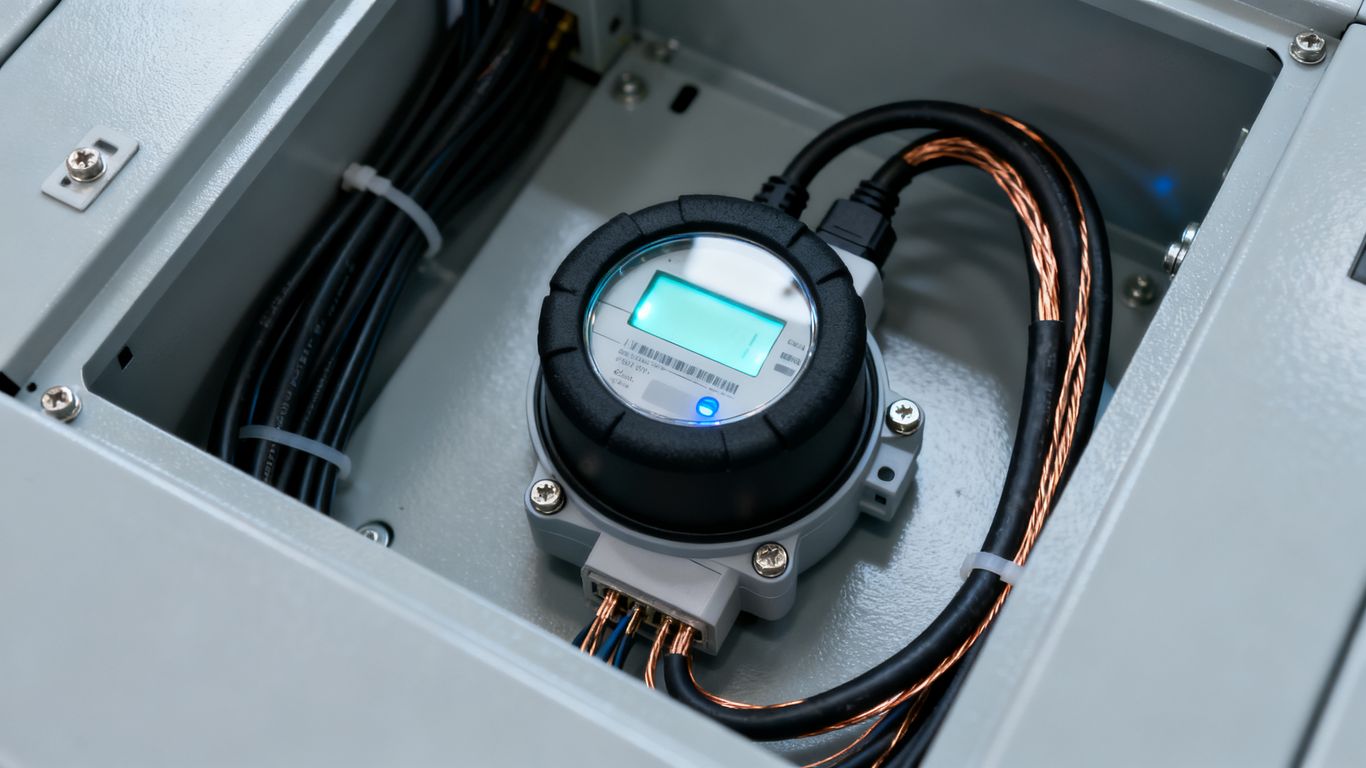
The technical process coordinated by Enedis is a codified procedure that requires rigorous anticipation to ensure your installation’s timeline. Solid expertise in process management is often recommended, as offered by consultants at Millennium Digital, to avoid any delays in commissioning your equipment. The operator assesses the grid’s capacity to absorb your power before commencing work.
Initial Connection Request Procedure
It all begins with submitting a complete file including the technical specifications of your panels or inverters and local planning permissions. Once received, this file allows for a feasibility study to verify if the neighborhood transformer can accommodate the planned additional load.
Technical Study and Connection Proposal
The study analyzes the impact of your production on surrounding electrical flows. Enedis then sends a connection proposal detailing the necessary work, equipment to be installed, and associated costs. You have a period to accept this offer, which then triggers the planning of the actual connection work.
Physical Execution of Connection Work
Once the agreement is formalized, technicians proceed with installing the isolation devices and the smart meter necessary for billing or monitoring. The work may include replacing a circuit breaker or reinforcing a line if the load requires it. This physical phase ensures the transition between your private installation and the national collective grid.
The Link Between CRAE and TURPE Payment
The Tariff for the Use of Public Electricity Grids, or TURPE, is the financial mechanism for funding the sustainable development of the grid. It is not a direct tax for the provider but a necessary contribution for access to this public service. This tariff is the engine that allows the operator to invest in the energy transition and improve infrastructure resilience against new uses, a point that Millennium Digital often analyzes during its clients’ budget planning.
Mechanism of the Public Electricity Grid Usage Tariff
TURPE is calculated based on your connection’s power and your annual consumption. It covers costs related to transmission, equipment maintenance, and flow management. The mechanism ensures tariff equalization, allowing each user to benefit from the same level of service at an equal or proportional price, regardless of their geographical location.
Cost Calculation Based on Connection Power
The amount is adjusted based on several technical criteria that reflect the complexity of your connection to the national system.
| Installation Type | Power (kW) | Fixed Component | Variable Component |
|---|---|---|---|
| Standard Residential | < 6 | Low | Fixed to consumption |
| Small Commercial | 6 – 36 | Moderate | Peak indexed |
| Industrial / Professional | > 36 | High | Dynamic management |
The chosen connection power therefore directly impacts the applied tariff structure. Careful consideration of your project’s sizing often allows for rationalizing these recurring costs from the design stage.
Recurring TURPE Billing Procedures
The amount is directly included on your electricity bill or collected via a specific contract when you act as a producer. The frequency is generally annual for surplus sales arrangements, ensuring regular payment for budget tracking. Any change in the subscribed power will automatically trigger a revision of the applicable tariff grid for your metering.
The CONSUEL Certification as a Prerequisite for Operation
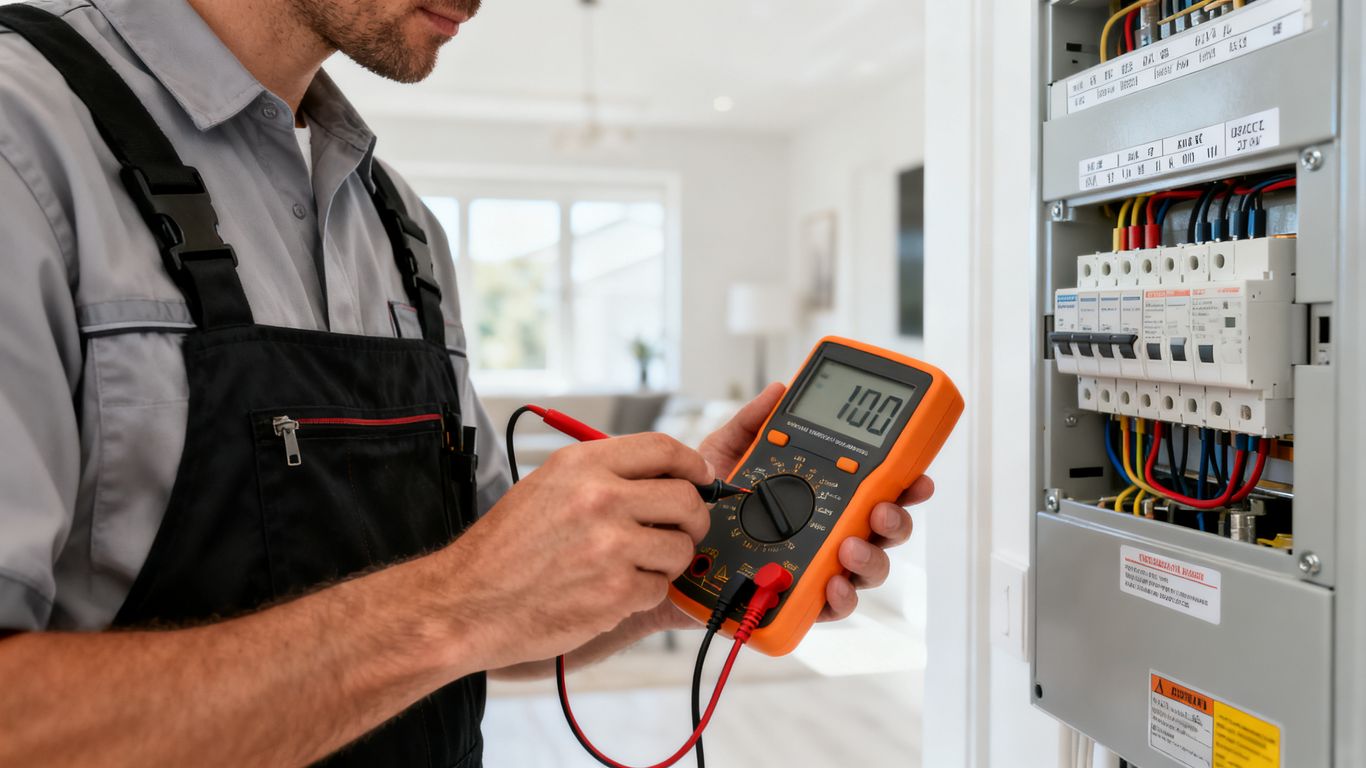
Before considering powering on, it is imperative to prove that the installation meets current safety standards. The electrical safety of your installation is an absolute priority that requires the intervention of an accredited body to ensure that no fire or short-circuit risk disrupts the grid. This step validates your compliance with guide UTE C 15-712-1.
Importance of the Certificate of Conformity in the Process
The certificate of conformity issued by CONSUEL is the legal proof that your site is sound. Without this credential, no commissioning will be authorized by the operator, as the risk of injecting a defective installation into the public grid requires zero tolerance.
Visa Application Procedure Based on Installation Type
The applicant must complete the specific form corresponding to their configuration: photovoltaic installation without battery, with storage, or complex hybrid systems. Once the document is submitted, an inspector may request a site visit to visually check the wiring, grounding, and the quality of lightning and overvoltage protection.
Necessity of Electrical Safety Before Power-On
The final inspection guarantees that each component is sized for the safety of property and people. A faulty installation could lead to cascading malfunctions in the immediate vicinity, highlighting the critical nature of this administrative and technical step in the connection process.
Administrative Steps for Commissioning
The transition to operation requires exemplary administrative rigor to finalize the last contractual details. Here are the key phases following safety certification:
- Finalization of purchase or self-consumption contracts with the provider.
- Transmission of the CONSUEL certificate to the operator to close the file.
- Remote activation or installation of the smart meter.
- Verification of the first injection to Enedis monitoring systems.
This validation sequence allows for the formal commissioning after the CONSUEL inspection.
Formal Signature of the Connection Contract
The contract formally binds the parties and defines injection rights for 20 years, if applicable. It is crucial to review the clauses concerning surplus management before finalizing the signature with the chosen energy provider.
Site Monitoring and Smart Meter Installation
The deployment of the Linky meter allows for automatic real-time reporting of production and injection data. This is the starting point of your technological autonomy, which advantageously replaces old manual readings.
Effective Commissioning of the Installation with Enedis
Activation occurs after the validation of all administrative documents, including proof of compliance. When the green light is given by the local center, remote commissioning is performed, allowing your inverter to inject your green electricity.
Specifics of Self-Consumption Installations
Self-consumption changes how you interact with the grid by favoring the immediate use of produced energy. Connection schemes are gradually adapting to this underlying trend, making self-consumption an increasingly common strategy for businesses concerned about their energy bills.
Distinction Between CRAE With or Without Injection
Injection without sale is clearly distinguished from surplus sale by the absence of a purchase obligation. In the first case, you freely give away surplus energy that you cannot consume, which often simplifies contractual management with the operator while minimizing resale procedures.
Impact of Connection Schemes on Costs
Total self-consumption installations incur reduced connection costs compared to sales plants. Structural simplicity allows for limiting the sizing of protections, which reduces the final bill during the feasibility study conducted by the operator.
Contractual Management of Excess Flows
The important thing is to formalize what happens to the surplus from the initial application drafting. Whether injected for free or sold, the flow must be tracked by the smart meter to meet national energy monitoring regulatory requirements.
Conclusion
Mastering the CRAE and the connection process remains a prerequisite for successfully transitioning to electrical autonomy. Methodical organization, coupled with strict adherence to safety and compliance steps, will allow you to secure your installation in the long term while optimizing your relationship with the public grid.
Frequently Asked Questions
Is it possible to change my connection power after signing?
Yes, it is possible to request a modification by contacting the operator, although this generally involves new work and a revision of the current contract.
Is a certificate of conformity mandatory?
Yes, no network operator will authorize the commissioning of an electrical installation without this certificate validating the site’s safety.
What is the average cost for a standard connection?
The cost varies significantly depending on the distance to the delivery point, the local grid load, and any necessary excavation work.
Is TURPE subject to market fluctuations?
No, the TURPE tariff is regulated by public authorities and evolves according to a multi-year trajectory designed to maintain grid investments.
How long does the total procedure take?
The average timeframe ranges from a few weeks to several months, depending on the operator’s availability and the technical complexity of your specific project.
Why should self-consumption without sale be preferred?
This option simplifies administrative procedures, avoids the need to create a commercial sales structure, and allows you to focus on direct bill savings.
Is commissioning immediate after signing?
It requires the receipt of all documents, the successful CONSUEL inspection, and the technical programming of equipment by the local management center.