In recent months, you’ve probably noticed your electricity bill creeping up unexpectedly. Between heating, appliances left on standby, and everyday little oversights, the costs can quickly add up. Yet, there are plenty of simple habits you can adapt to avoid overconsumption and lower your expenses. No need to be a DIY expert or invest in expensive equipment. With a few changes to your routine and a bit of common sense, you can really make a difference. So here are 20 concrete tips to lower your bill and answer the question: how to avoid overconsumption.
Key Points to Remember
- Replace your old bulbs with LEDs to use less electricity day-to-day.
- Equip yourself with power strips that have switches so you can easily turn off all your devices on standby.
- Consider installing a smart thermostat to better manage your heating, especially when you’re away from home.
- Defrost your refrigerator and freezer regularly to prevent them from consuming too much electricity.
- Use eco cycles and only run your appliances when they’re full.
1. LED Bulbs
Replacing your old bulbs with LEDs makes an immediate difference in your electricity consumption. This change is anything but trivial. LED bulbs use about 80 to 85% less energy than incandescent models and offer a much longer lifespan. When you think about the dozens of lights turned on each night in your home, the savings on your energy budget are far from negligible.
Here are some practical tips to get the most out of your LEDs:
- Choose the lighting color according to the room: warm white for the living room, more neutral or dynamic lighting in the kitchen or bathroom.
- Favor bulbs showing at least 20,000 hours of lifespan on their energy label.
- Don’t install purely decorative LEDs. These small lights consume energy for no real reason: they add nothing to your everyday lighting, but still add to your consumption.
- Always turn off the lights when leaving a room.
Some numbers to put things in perspective:
| Bulb Type | Consumption (W) | Average Lifespan (h) |
|---|---|---|
| Incandescent | 60 | 1,000 |
| Halogen | 42 | 2,000 |
| Compact Fluorescent (“low energy”) | 15 | 8,000 |
| LED | 9 | 20,000 to 40,000 |
Equipping yourself with LED bulbs means choosing simplicity and reliability. The initial investment, sometimes higher than for a regular bulb, is very easily made up for by the lifespan and monthly energy savings.
2. Power Strip with Switch
Using a power strip with a switch may seem trivial, but in reality, it transforms your daily management of electricity consumption. By plugging multiple devices into the same power strip with a simple on/off button, you control the power supply for all those devices – internet box, TV, chargers, desk lamp, etc. No more hidden standby modes devouring electricity even when you’re not using the devices. This simple action can reduce wasted electricity from unnecessary standbys, which make up almost 10% of the annual bill.
Here’s how a power strip with switch helps you every day:
- One motion to turn everything off before leaving a room or the house.
- Ability to group devices with similar uses (for example, all equipment in the living room).
- Enhanced safety: you also reduce fire risks when everything is off at night or during absences.
For illustration, here is a comparison of estimated annual savings:
| Number of Devices on Standby | Annual Cost (without power strip) | Annual Cost (with power strip with switch) |
|---|---|---|
| 5 | €55 | €0 to €6 |
| 10 | €110 | €0 to €12 |
Programming a total shutdown of your devices thanks to a power strip with switch is one of the most effective habits for limiting your energy consumption, especially if you combine it with programmable solutions or anti-standby devices. Installing a power strip with a switch fits perfectly into this approach and can be implemented in any room of your home. Don’t underestimate the domino effect on your bill at the end of the year – just a few seconds of discipline each day is enough to make a difference.
3. Smart Thermostat
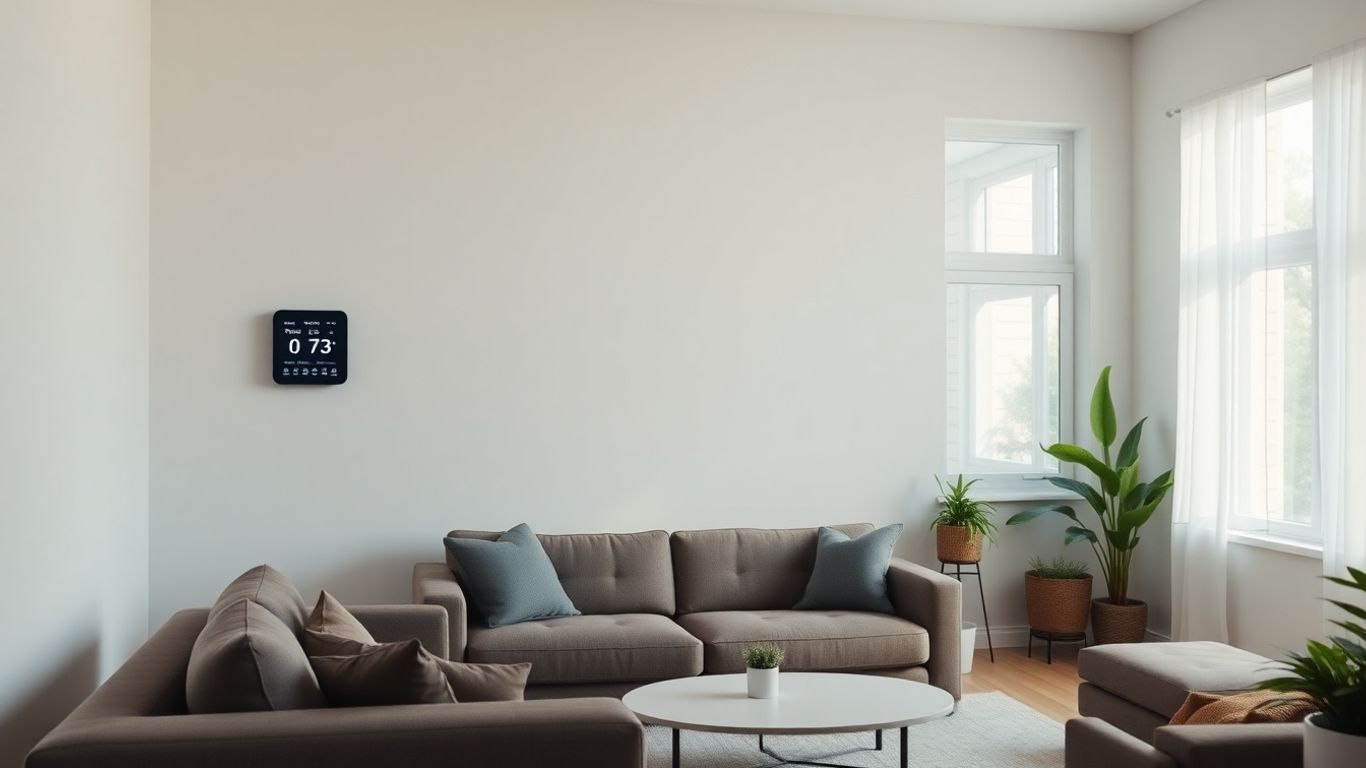
Installing a smart thermostat gives you precise control of your heating, and that’s often where the first energy waste happens. This little device replaces the old standard unit, but its features go much further. You can manage your home’s temperature remotely, from your smartphone or tablet, which means you only turn the heat on when you really need it, even if you’re not home.
A smart thermostat lets you adjust heating times based on your attendance or absence, significantly lowering consumption. Many models even learn your habits and adjust automatically, without any extra effort.
Here’s how to optimize your use:
- Set time slots to match your absences and returns (work, vacations, weekends).
- Lower the temperature at night or when no one is there.
- Activate vacation mode for an automatic temperature drop over several days.
| Type of Savings | Estimated Bill Savings |
|---|---|
| Programmed heating | Up to 15% |
| Lowering temperature in empty rooms | 5 to 10% |
| Remote management | Variable (reduced forgetfulness) |
Remembering to program your thermostat keeps you from heating needlessly while maintaining comfort. Over a year, this quickly leads to noticeable savings with no extra effort.
4. Electric Heaters
Electric heaters are among the biggest expenses on your electricity bill. To limit their impact, it’s crucial to use them mindfully and according to your lifestyle. The bad habit of heating every room to the same temperature all day will quickly get expensive.
Here are some practical tips to cut down on using electric heaters:
- Program your heaters to warm up more in the evening or when you’re home, and lower the temperature when you’re away or at night.
- Adjust the temperature depending on the room’s use: 63°F (17°C) in bedrooms, 66–68°F (19–20°C) in the living room or main space.
- Maintain your heaters: dust them regularly and check they’re working properly.
- Don’t block your heaters with furniture or curtains; this limits heat diffusion and increases consumption.
| Room | Recommended Temperature (°C) |
|---|---|
| Bedroom | 17 |
| Living Room / Lounge | 19-20 |
| Bathroom (when in use) | 22 |
| Kitchen | 17-18 |
Turning your thermostat down by just 1°C (about 1.8°F) can lower heating-related consumption by about 7%. You don’t need to miss out on comfort: just fine-tune your heat to your real needs to avoid overconsumption.
5. Water Heater
The hot water heater is often one of the main energy spending items in a home. If you want to lower your bill, it’s essential to optimize it. Setting your water heater to heat water only during off-peak hours lets you make substantial savings, as kWh prices can be 25% cheaper than during peak times.
Here are several concrete actions to implement:
- Set the water temperature between 50°C and 55°C (122°F–131°F). That’s enough to prevent bacteria and reduce electricity use.
- Insulate both the pipes and the tank—especially if your heater is in an unheated space, like a basement or garage.
- If you’re away for several days, switch the heater off or set it to absence mode.
- Don’t leave the mixer tap in the middle position for small needs; cold water is enough for washing hands or rinsing veggies and sponges.
- Install flow reducers or faucet aerators to limit hot water consumption; these are easy and effective ways to cut your bill at home.
| Option | Price per kWh (€) July 2024 |
|---|---|
| Peak hours | 0.27 |
| Off-peak hours | 0.2068 |
Getting into the habit of checking your water heater’s temperature and insulation protects both your wallet and the planet, without sacrificing daily comfort.
6. Plug & Play Solar Panel Kits
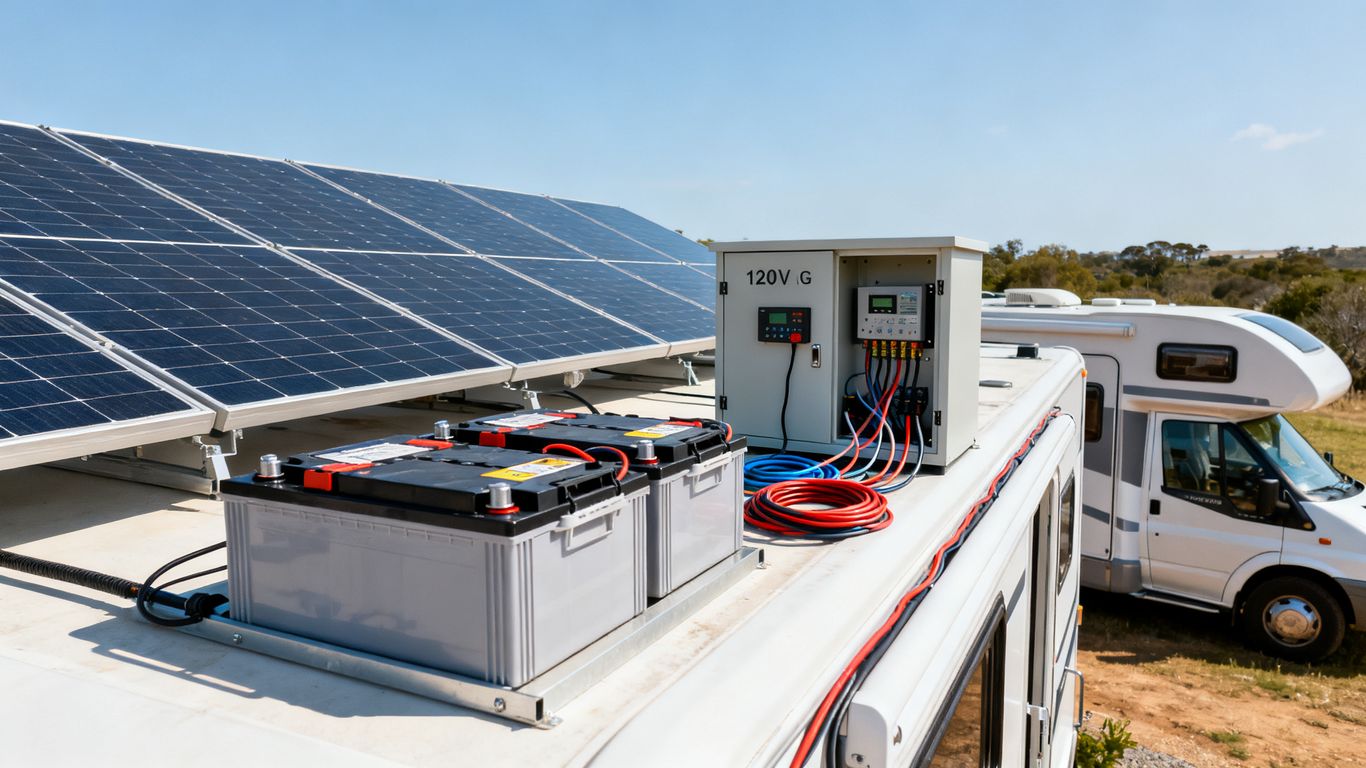
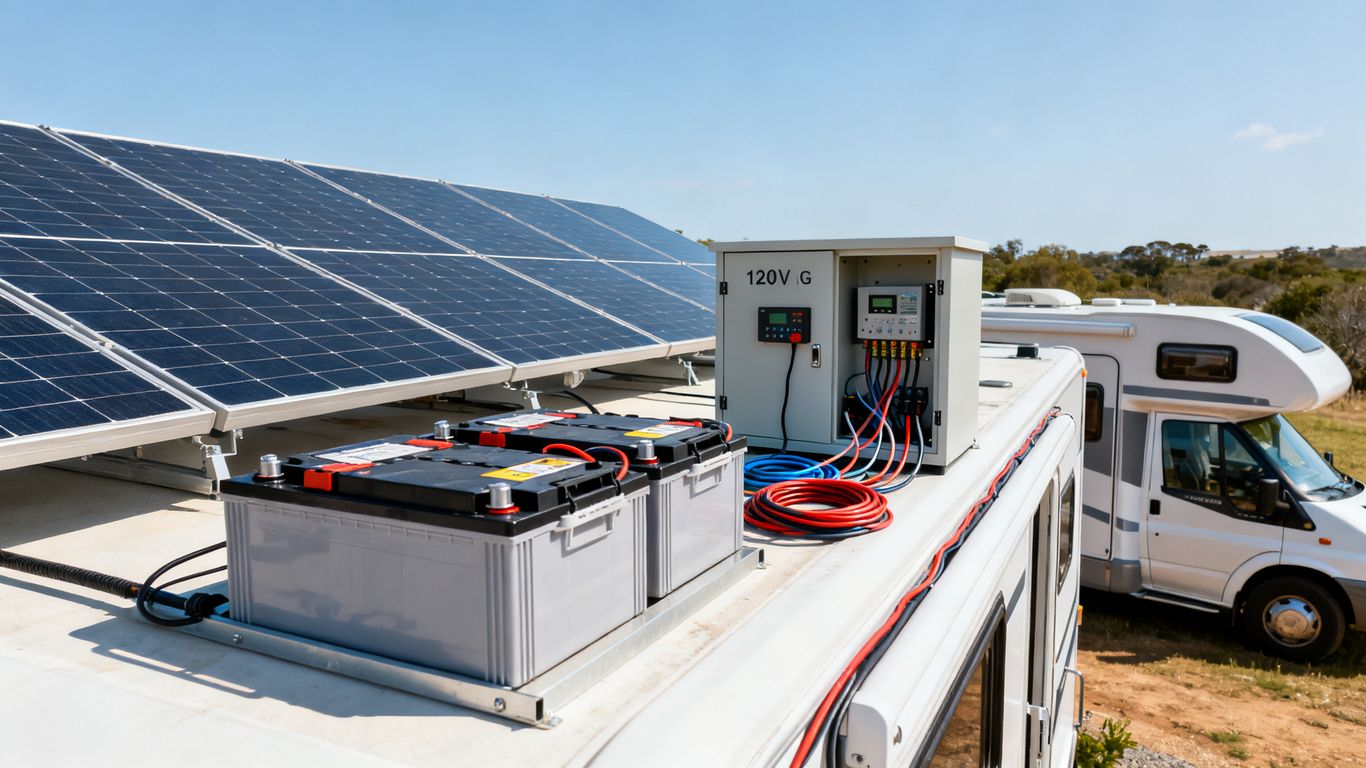
Plug & play solar kits are an easy way to start self-producing electricity, with no major work or complexity. Just place the panel on a suitable stand on the ground or balcony and plug it into a normal outlet. You’ll soon be generating your own energy and reducing your pull from the public grid.
For example, a kit like the Sunethic F400 solar station lets you enjoy an easy setup and local manufacturing directly in France. It’s a practical first step toward energy independence.
Here’s a look at the advantages and how to install it:
- Easy install: no work on your electric panel or roof needed.
- Instant self-consumption: the electricity produced by the panel powers any devices plugged into the same network.
- Flexibility: unplug the kit any time to stop production, no complex handling needed.
- Quick payback: your bill starts dropping as soon as you start using it.
| Kit Size (Power) | Estimated Annual Production | Bill Reduction (%) |
|---|---|---|
| 300 W | ~350 kWh | 7 to 10% |
| 600 W | ~700 kWh | 10 to 15% |
With this system, you’re no longer solely reliant on your utility company, and every kilowatt you produce is used right at home, lowering your monthly budget.
Some kits include connected monitoring so you can track solar production in real time. Lastly, check that your home’s electrical setup is compatible before plugging in the kit, especially in older buildings.
Plug & play solar is a great option for anyone wanting to take things one step at a time while gaining control of their energy bills.
7. Thermal Insulating Curtains
Installing thermal insulating curtains is a very simple and often overlooked step. Many people immediately think about changing windows or taking on major insulation work, but before any of that, start with your curtains. They efficiently retain heat inside your home by limiting energy loss through the windows.
Here are some key points if you’re wondering why to make this choice:
- They keep cold air out and prevent heat loss, especially at night during cold snaps.
- Installation is simple: just replace your regular curtains with thermal ones.
- You can expect to save 40 to 60 kWh per window each year, which is about €5 to €8 saved per window, depending on the price per kWh.
Simple comparison chart:
| Number of Windows Equipped | Estimated Annual Savings (kWh) | Estimated Annual Savings (€) |
|---|---|---|
| 2 | 80 to 120 | 10 to 16 |
| 4 | 160 to 240 | 20 to 32 |
| 6 | 240 to 360 | 30 to 48 |
Some tips to increase effectiveness:
- Always close thermal curtains at nightfall.
- Combine your curtains with shutters or blinds for an even stronger effect.
- Choose curtains that cover the entire glass area to prevent drafts.
Choosing thermal curtains helps reduce heating demand. It may seem minor, but over many winters, you’ll notice the difference on your bill. No renovations needed—just a real step towards comfort and lower spending.
8. Motion Sensor
Installing a motion sensor in your home instantly transforms how you manage your lighting. Thanks to this device, the light only comes on when movement is detected, and then switches off automatically once the room is empty. There’s no risk of forgetting to turn off a lamp when leaving a room—that problem disappears completely. Highly recommended for hallways, stairwells, or other passageways, this system will reduce your electricity consumption without you even thinking about it.
A few benefits to remember:
- Full automation of lighting (no more forgetfulness, no more waste)
- Significant reduction in the electric bill, especially in high-traffic areas
- Perfect companion for lighting optimization, such as maximizing natural light (optimize lighting systems)
Here are the main types of sensors available:
| Sensor Type | Recommended Use | Range |
|---|---|---|
| Passive Infrared (PIR) | Passageways, halls | 5 to 12 meters |
| Microwave | Partitioned rooms, restrooms | Up to 20 meters |
| Dual technology | High-traffic areas | 10 to 15 meters |
Over a year, a well-placed motion sensor noticeably reduces unnecessary lighting hours, especially in large homes or commercial buildings.
In short, this little device is incredibly effective for adopting new habits of efficiency while still keeping things comfortable.
9. Refrigerator
Properly managing your refrigerator is one of the most effective steps to lower your electricity bill. A poorly maintained or badly used appliance can consume much more than necessary. To optimize its operation, start by checking its placement: putting it near a heat source (oven, radiator, or even a sunny window) forces the compressor to work harder. Find it a cool spot, away from the stove or oven.
Get into the habit of checking the door seals: a poorly closed door lets in warm air, which increases energy use. And don’t overlook defrosting: 3 mm of frost already means 30% more electricity consumed. It might not seem like much, but over a year, it definitely adds up.
Here are a few quick actions that make a difference:
- Set the temperature close to 4°C (39°F) for the fridge and -18°C (0°F) for the freezer part.
- Let your dishes cool before putting them in so you don’t heat up the fridge’s interior for nothing.
- Combine shopping trips to keep the fridge well filled, but don’t overstuff it. A full fridge keeps a steady temperature better, but air still needs to circulate.
| Refrigerator Model | Annual Consumption (kWh) | Energy Class |
|---|---|---|
| Old (over 10 yrs) | 300–400 | F/G |
| Current model (new) | 90–200 | C/D |
If you need to replace an old refrigerator, choose a higher energy class: by moving from an old (F-rated) to a new D-rated unit, you can cut consumption by as much as 50%. That single change can really make a difference to your annual bill.
10. Freezer
The freezer is one of the appliances that weighs on your bill, especially if not properly maintained. Just 3 mm of frost buildup can cause up to 30% more electricity use. It happens faster than you’d think, and every month you put off defrosting, you also wear down the machine faster.
To limit your freezer’s power use, here are a few practices:
- Place your appliance away from heat sources—don’t put it near the oven, radiator, or sunny windows. Ideally, set it in a cool area like a cellar or unheated garage.
- Defrost regularly, at least every six months. A frost-free unit uses a lot less, letting you bring bills down quickly. While you’re at it, clean the seals so they stay airtight.
- Package your food properly, ideally in well-sealed containers. This limits condensation and thus frost.
- Let hot food cool before placing it in the freezer, so it doesn’t have to work extra hard to get back to the right temperature.
Find more technical tips for reducing overconsumption in your appliances on this page: defrost your appliances every six months.
| Action | Potential Energy Savings |
|---|---|
| Defrost every 3–6 months | Up to 30% |
| Keep away from heat sources | Varies by setup |
| Package food well | Less frost |
From experience, it’s tempting to put off cleaning the freezer, but over time, it costs you. A few minutes’ effort twice a year is enough to see a difference on your next bill.
11. Washing Machine
The washing machine gets used in nearly every home all year, often with little thought to its consumption. Yet using your washing machine more thoughtfully can really bring down your electricity bill. Here are a few easy habits to adopt:
- Wait until the machine is full before starting. Half loads use almost as much power as a full cycle.
- Go for the “Eco” or “Eco 40-60” program: it takes a little longer, heats water less, and reduces power use by about 15% per wash.
- Favour cold cycles (30°C/86°F or 40°C/104°F) for most loads: washing at 30°C saves over 50% energy compared to a 60°C cycle.
- Schedule your laundry for off-peak hours if you have a suitable plan—costs drop even more.
- Lastly, run a hot cycle occasionally for machine maintenance, to prevent detergent build-up and extend its lifespan.
| Washing Temperature | Potential Power Savings |
|---|---|
| 60°C | Base |
| 40°C | Up to 30% |
| 30°C | Over 50% |
Doing simple things like filling the drum and choosing the right program is more effective than buying a new machine. Savings are built on consistent small choices, not on “fake innovations”.
12. Dishwasher
When used properly, a dishwasher can really lower your home’s energy consumption. It’s not just a convenience; it can genuinely help reduce your bill—if you adopt the right habits.
Here are some best practices:
- Wait until your dishwasher is truly full before starting it. Half-load cycles don’t always save power, but multiply loads per week.
- Always pick the “Eco” program. This heats the water less and runs longer, but can save up to 45% electricity compared to an intensive cycle.
- If your electric plan lets you use off-peak hours, schedule your cycles for those times: usage costs instantly drop.
| Cycle | Approximate Annual Power Use |
|---|---|
| Eco | 100 kWh |
| Intensive | 180 kWh |
By always using the economy program and fully loading each cycle, you not only limit your power use but also extend the machine’s lifespan.
Don’t forget regular dishwasher maintenance: clean filters, avoid lime scale—this is also how you save money in the long run.
13. Clothes Dryer
The clothes dryer is one of the most energy-intensive appliances in your home, averaging about 200 kWh every year. Reducing dryer use is a surefire way to lighten your bill. Here are a few simple actions to minimize its impact:
- Air-dry your laundry whenever possible. This free alternative eliminates drying power use altogether.
- Before using the dryer, run an extra spin cycle on your washer: mechanical water extraction is much more efficient than any kind of thermal drying.
- Only run the dryer when it’s at full capacity, to avoid unnecessary cycles.
- Pick the right program, like “iron dry” mode if you’re going to iron soon: it leaves clothes slightly damp, making ironing easier (see this program selection).
Here’s a chart to show the difference in consumption by drying mode:
| Drying Mode | Estimated Annual Consumption |
|---|---|
| Air drying | 0 kWh |
| Typical dryer | 200 kWh |
| Heat pump dryer | 120 kWh |
Cutting back on dryer use both saves your budget and extends your clothes’ lifespan.
14. Electricity Supplier
Switching electricity suppliers is one of the most often overlooked ways to save, even though it can have an immediate and direct effect on your bill.
Today, the market is competitive: EDF is no longer the only provider, and there are plenty of options. “Alternative” suppliers offer deals based on the official sales price, often with a discount. Some apply a rate based on market prices; others focus on renewable energy, usually at a higher price point.
Don’t take this choice lightly: compare, read the fine print, check how prices have changed over time. Use an official comparison tool or review offers in detail, as overly attractive welcome promotions may be hiding a significant hike after 12 months. If you’re considering green energy, know that the bill will usually be a bit higher.
Here’s how to proceed efficiently:
- List your precise needs (meter power, off-peak options, contract length).
- Use official tools to compare rates (like the energie-info.fr site).
- Ask your new supplier to handle the paperwork—it’s free and doesn’t interrupt service.
- Track your consumption afterward to confirm the expected savings.
| Supplier | Cheapest Offer (€/kWh) | Green Electricity | Price Type |
|---|---|---|---|
| EDF | 0.2516 | No | Regulated tariff |
| Alternative X | 0.2390 | Yes | TRV discount |
| Alternative Y | 0.2440 | No | Market price |
Taking the time to choose or switch suppliers may seem tiring, but often turns out to be a worthwhile effort. Every saved cent on a kWh adds up over a full year.
15. Energy Saver Device
Installing an energy saver device is a growing trend, especially in homes seeking to lower their bills without losing comfort. An energy saver is a small device you place between the wall socket and the appliance to cut down on electricity waste. By optimizing voltage or cutting the power during standby times, it can help reduce consumption, especially for devices that are always plugged in.
Here’s how to maximize your energy saver’s impact:
- Use it with frequently used devices, such as the TV or internet box.
- Target energy-hungry or old equipment: an old freezer, a computer left on all day, etc.
- Opt for models with European certification to ensure effectiveness.
| Target Device | Estimated Consumption Drop | Usage Suggestion |
|---|---|---|
| TV | 10-15% | With power strip |
| Desktop computer | 8-12% | Optimized standby mode |
| Internet box | 10% | Turn off at night |
You’ll also find good practices on energy efficiency for businesses, for example with these 12 practical tips to optimize business energy consumption.
By combining several small actions (energy savers, turning off standbys, programming devices), your energy bill can truly go down—often without you even noticing at first.
Remember that an energy saver isn’t a substitute for a more overall adaptation of your habits. If you choose wisely, it’ll complement your efforts and slot naturally into your daily routine, especially with old or energy-intensive appliances.
16. Board Games
Swapping out screen time for board games can really impact your electricity bill. A TV left on for several hours a day, plus a gaming console, affects your consumption as well as your comfort.
- The average TV is used for hundreds of hours per year.
- Gaming consoles add on extra consumption, often underestimated.
- Every video game session is electricity that adds up at month’s end.
Choosing board games means opting for a non-energy-consuming hobby. This way, you reduce demand on your electronics and enjoy activities to share with family or friends.
Here’s what you gain:
- Fun evenings where the competition is around a table, not a screen
- A direct reduction in screen-related consumption (TV, console, internet box)
- Less temptation to leave devices on standby or even running
Favoring board games not only helps lower the energy bill, but also creates memories that aren’t tied to an electrical outlet.
Classic games never go out of style and their purchase cost—often small compared to a game console or digital subscriptions—quickly pays for itself. While the energy used by a few hours of TV may seem small short term, over a year it adds up on your bill. Just changing habits can free your living room from needless expenses.
17. Internet Box
The internet box, discreet but always on, can weigh down your electricity bill without you noticing. Leaving your box on 24/7 uses about 100–200 kWh per year—almost as much as a modern washing machine. This detail often goes unnoticed, but it’s a nontrivial chunk of your yearly consumption.
Here are some practical tips to reduce your internet box’s impact on your spending:
- Switch off the box at night, especially if you don’t work late or everyone is sleeping.
- Use a power strip with a switch for easy power cuts.
- Program time slots with smart plugs to automate switching off during absences or at night.
- Check the power use of your box before replacing it: some new models use less energy.
There’s no need to keep your box always on. You’ll even sleep better by avoiding unnecessary notifications at night.
Finally, if you’re thinking of changing your box or provider, compare the energy labels or ask for details on the device’s power use. This simple step, repeated daily, will help cut your bill while keeping your digital habits under control.
18. Clothes Drying Rack
Using a clothes drying rack is one of the most effective ways to reduce electricity use at home. The clothes dryer remains one of the most power-hungry appliances, averaging about 200 kWh used each year. Choosing air-drying, whether on a balcony, in the bathroom, or even the living room, lets you skip that cost altogether.
Here’s how to make the most of this every day:
- Always use the washer’s max spin cycle: clothes come out less wet, cutting air-drying time.
- Don’t pile clothes up; good airflow means faster drying.
- Place the rack in a well-ventilated room—by an open window when possible.
- In winter, set your rack near a heater (without blocking heat flow) for faster drying without extra consumption.
| Solution | Estimated Annual Consumption |
|---|---|
| Clothes dryer | 200 kWh |
| Air drying | 0 kWh |
| Heat pump dryer see the economic benefit | ~120 kWh |
Drying clothes without an electrical appliance is not only good for your wallet; it helps reduce excessive indoor moisture and also prolongs textile fibers.
Also, take advantage of off-peak hours if you do have to use a dryer: electricity costs less then, and you’ll see the difference on your bill immediately.
19. Roller Shutters
Installing and regularly using roller shutters is an effective way to reduce heat loss in your home. By closing your shutters at nightfall, you cut down heat loss through the windows and help keep inside temperatures stable. This simple step can bring real results to your bill because heat escapes mostly through the windows, especially with single-pane glass.
Here’s how roller shutters optimize your energy use:
- They create an insulating air layer between the window and the shutter, slowing heat exchange.
- Avoid overheating in the summer if you close them during the day.
- Block drafts, reducing heating or cooling needs.
If your windows don’t have roller shutters, consider installing thermal insulating curtains as a supplement or upgrading windows for better insulation.
| Period | Potential Savings (kWh/year) for 4 windows | Estimated Bill Savings (€) |
|---|---|---|
| Regular use | Up to 600 | About 50 |
Even if it seems trivial, closing your shutters every night could really surprise you with lower energy use, especially during harsh winters or heat waves.
20. Water Heater
The water heater, often called a hot water tank, can make up as much as 20% of your annual electric bill. There are several simple steps you can take to directly impact your usage.
Start by programming your water heater to run only during off-peak hours if your contract allows. The price per kWh is usually lower at night. Smart timing can make a significant difference over the year, especially for families.
Here are some practical actions:
- Set the temperature between 50°C and 55°C (122°F–131°F): higher temperatures just waste energy and increase burn risk. This is sufficient to prevent bacteria and save power.
- Descale your water heater once a year, especially if you live in a hard water area. Limescale lowers efficiency and can push power use up by as much as 60%.
- Insulate pipes to prevent heat loss, especially if they go through a cold area like a garage or basement. Losses at this point are often underestimated.
- If you’re away for a long time, switch the unit off entirely: there’s no reason to heat water pointlessly.
Here’s a simple chart to show the savings possible by time of use:
| Time Type | Average Price per kWh (€) |
|---|---|
| Peak hours | 0.27 |
| Off-peak hours | 0.21 |
By optimizing the temperature, descaling, and scheduling your heater, you lower usage with no impact on comfort. It may seem minor, but over a year, those savings add up and last.
A well-maintained, well-adjusted, and well-managed water heater is not just good for your budget—it’s a logical daily step to prevent energy overconsumption.
Conclusion
By applying these twenty tips, you now have everything you need to reduce your energy use and lighten your bill. It’s not always easy to change habits—especially when it feels like each action only has a small effect. But added together, these small efforts really make a difference over the long term. Take time to watch your habits, try changing one or two each week, and see what works best for you and your household. There’s no miracle solution, just a series of good habits to adopt daily. You’ll see—your wallet and the planet will thank you. Now it’s your turn, one step at a time.
Frequently Asked Questions
How can I know which appliances use the most electricity at home?
To find which appliances use the most, check the energy label on your equipment. Old appliances or those that heat (like heaters, water heaters, dryers) are often the biggest users. You can also use a wattmeter to measure each device’s consumption.
Is it really worth turning off devices in standby mode?
Yes, it’s very worthwhile. Devices on standby, even when off, still use electricity. Unplugging them or using a power strip with a switch can save you up to 10% on your annual bill.
Do LED bulbs really use much less energy than others?
Yes, LED bulbs use a lot less electricity than classic or halogen bulbs. They also last longer, which saves you money in the long run.
Should I switch electricity provider to pay less?
Switching providers can sometimes help lower the bill, especially if you find a better deal. Compare prices and pay attention to the terms before you decide.
How can I use my washing machine efficiently to save energy?
To save energy, run the washing machine only when it’s full and choose the eco mode. Wash at low temperatures if possible. Avoid half-loads as they use almost as much energy as a full cycle.
Are plug & play solar panels really effective for lowering the bill?
Plug & play solar kits let you produce part of your own electricity. This can lower your bill, especially if you use devices during the day when the sun is out. It’s a simple way to start saving.