Key Takeaways
- An aging electrical panel increases the risks of short circuits and domestic fires.
- Compliance relies on the NF C 15-100 standard to ensure optimal personal protection.
- The overall replacement cost depends on the complexity of the work and the equipment installed by a professional.
- Replacing your installation allows for the integration of modern solutions like electric vehicle charging stations.
- Financial aid is available to assist homeowners with these essential energy renovation works.
Dangers Associated with an Old Electrical Panel
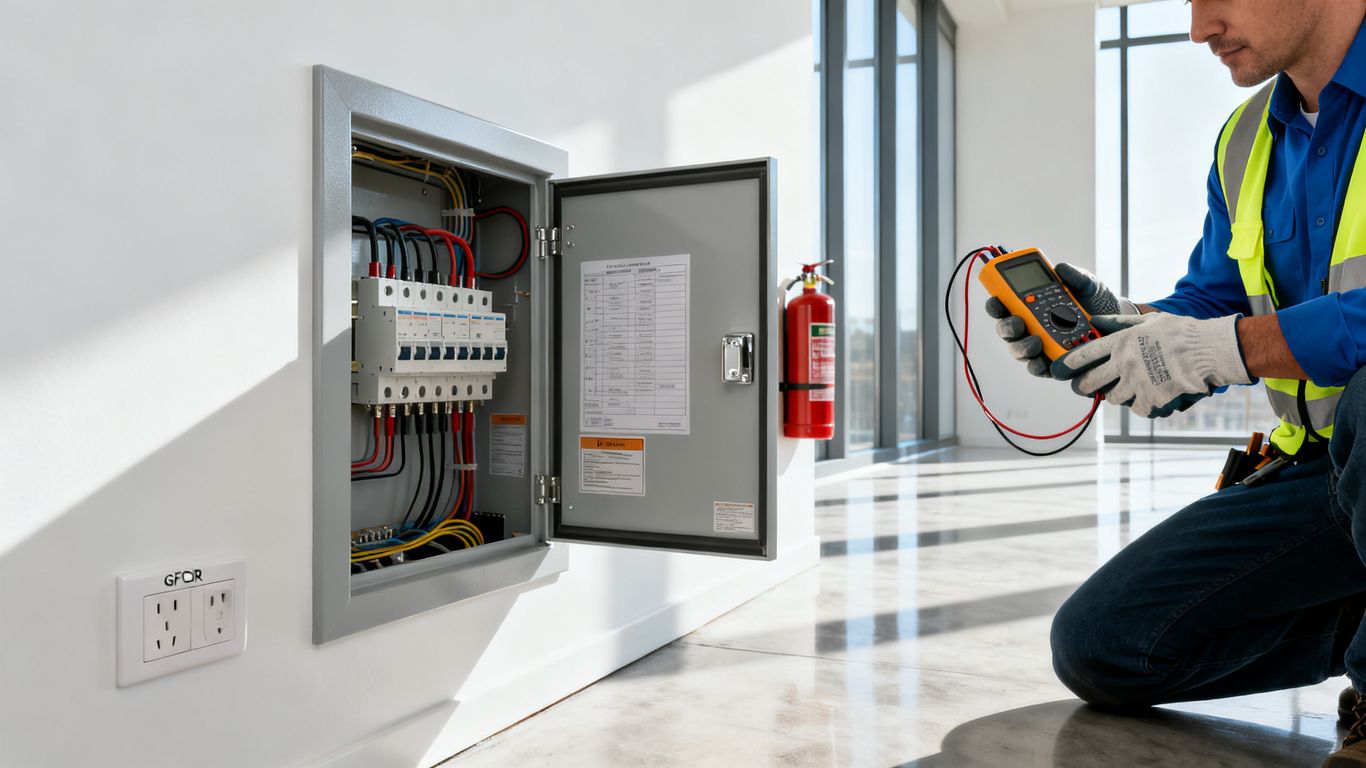
An electrical installation that has not been modernized in the last two decades poses a growing risk to the safety of a home’s occupants. Time and intensive use of new household appliances fatigue the original components, which are often unable to handle current energy demands. A professional approach, such as rigorous planning guided by Millennium Digital experts, perfectly illustrates the importance of a solid infrastructure to prevent structural failures.
Fire Risks and Electrical Overloads
Old or undersized wires heat up dangerously when subjected to high electrical current. This repeated overheating eventually degrades the insulation, drastically increasing the risk of short circuits and domestic fires.
Absence of 30 mA Residual Current Devices
Dated installations often lack the essential 30 mA residual current devices (RCDs) to protect individuals. Without this rapid automatic cutoff in case of a current leak, residents risk more severe electric shock.
Non-Compliance with NF C 15-100 Standards
Compliance with the NF C 15-100 standard imposes strict rules on zoning and circuit protection. Outdated equipment no longer allows for the application of these safety measures essential for daily life.
Natural Wear and Oxidation of Components
Terminal blocks loosen and conductors inevitably oxidize with ambient humidity and temperature variations. This physical deterioration prevents proper tightening and promotes discreet but dangerous electrical arcs.
Factors Influencing Replacement Cost
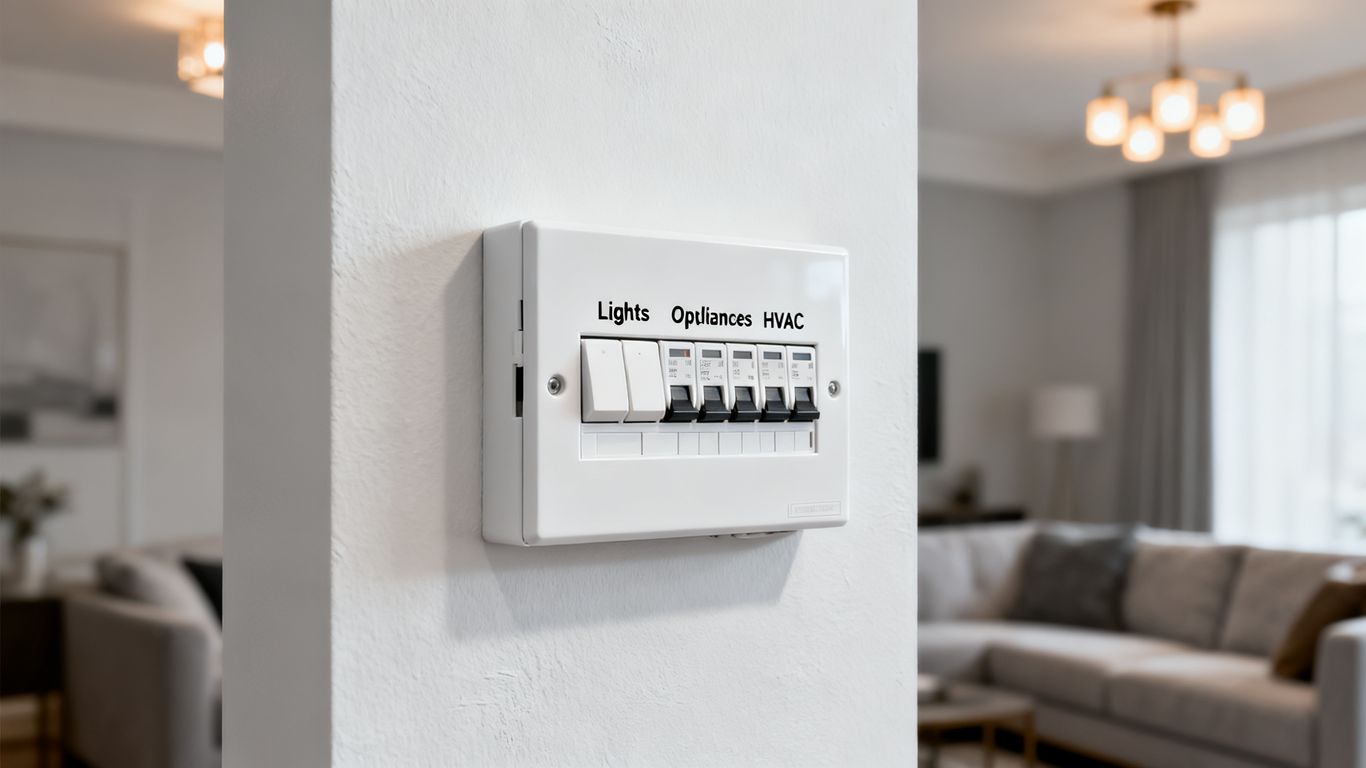
The final price is closely dependent on the technical configuration of your current home. Replacing an obsolete system requires a complete diagnosis of existing circuits to ensure compatibility with the new distribution board. This technical expertise aligns with the rigorous project management methods advocated by Millennium Digital, where each step is analyzed to ensure a flawless final result.
Home Size and Number of Circuits
The more rooms and appliances a household has, the more circuit breakers are needed to properly segment usage. The total size directly influences the volume of material required in the panel.
Overall Condition of the Existing Electrical Installation
If the wires are in good condition, only the panel casing needs to be replaced. However, a complete safety overhaul may require replacing wires that are too damaged or unsuitable for the load.
Choice of Equipment Range and Number of Rows
The quality of protective devices varies depending on the manufacturers chosen for the equipment. A four-row panel will naturally cost more than a standard two-row model, not to mention the choice of connection accessories.
Complexity of Wiring and Panel Work
The accessibility of the home and the panel’s configuration influence the intervention time. Complete compliance work requires skilled labor to organize the wire connectors and ensure compliant connections.
Price Estimates by Service
The budget for modernizing your installation depends on the renovation project. To obtain a precise estimate, you need to consider the unit costs of the components as well as the time spent by the electrician, as shown in the following table.
| Type of Service | Estimated Price Range | Technical Details |
|---|---|---|
| Material Only (Empty Panel) | €150 – €400 | Standard panels and modules |
| Electrician Labor | €400 – €900 | Installation, connection, and testing |
| Full Compliance | €1,000 – €2,500 | Audit, installation, and validation |
Price Range for Material Only
The cost will primarily depend on the number of rows and the sophistication of the residual current devices required on your panel. Purchasing a pre-equipped set often saves time on site.
Average Cost of Professional Labor
The intervention of a tradesperson covers the removal of the old system and the meticulous installation of the new equipment. This professional labor is justified by the ten-year warranty covered by the tradesperson.
Fees for Diagnosis and Compliance
It is advisable to consult an expert to check the electrical safety before any major intervention. This diagnosis helps detect invisible anomalies hidden behind walls.
Price Variations Between Partial and Total Renovation
For your work, consider the following points that influence quotes:
- Type of residual current devices installed (Type AC, A, or F).
- Number of circuits protected simultaneously.
- Need to create dedicated lines (kitchen, washing machine, charging station).
- Complexity of access to the main connection breaker.
Key Steps for Successful Compliance
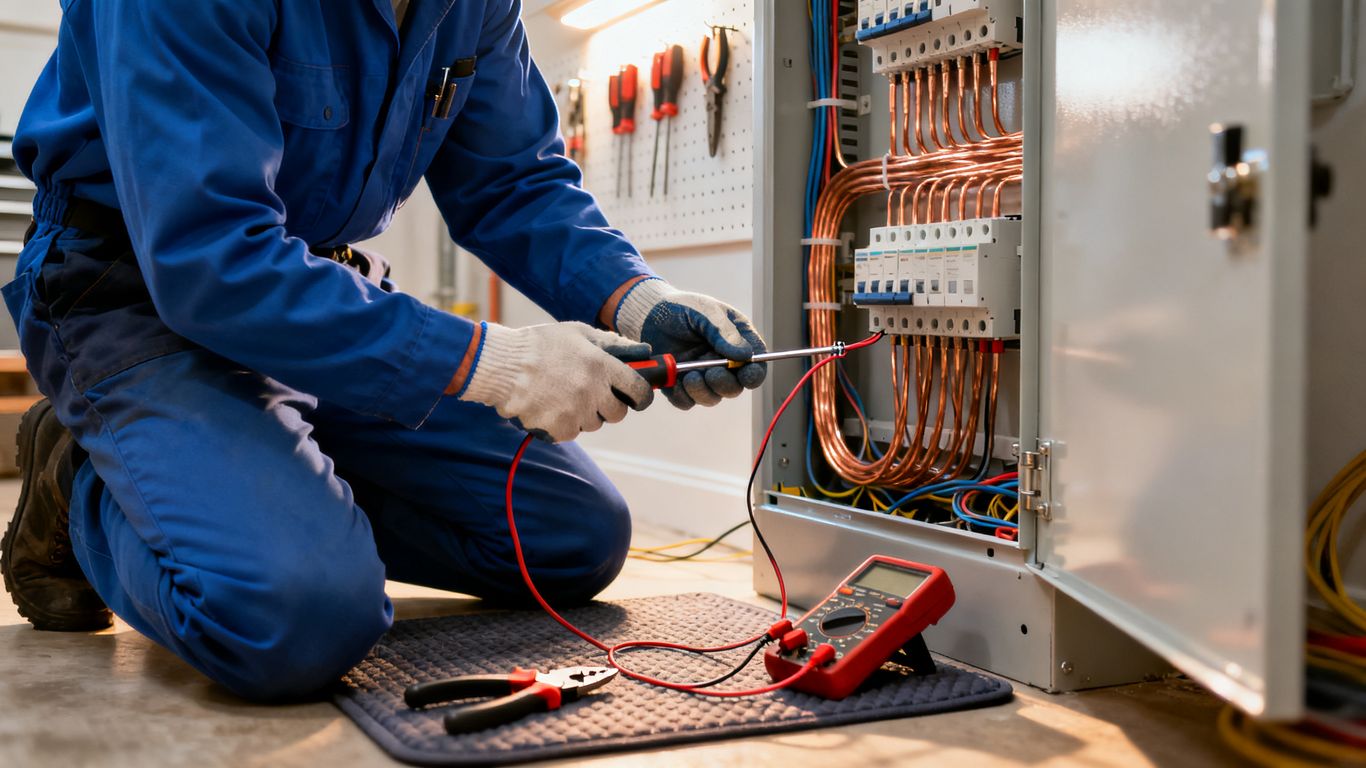
The success of the operation relies on meticulous planning before touching the wiring. As Millennium Digital regularly emphasizes in its data management, any high-performing project requires a clean initial audit. Carrying out your compliance project involves going through crucial validation steps to ensure the durability of the installation.
Performing an Initial Electrical Diagnosis
The electrician begins by identifying the vulnerability points of your current system. This step allows for the evaluation of, among other things, the quality of the grounding.
Design and Sizing of the New Panel
A precise study allows for the definition, based on your actual usage, of the necessary panel size. Free space should be planned on the rows for any future expansion of your home network.
Installation of Circuit Breakers and Residual Current Devices
Components are mounted in a logical order on the panel’s rails. Cable connections adhere to the safety levels required by current regulations.
Continuity Tests and Functional Verification
Once the installation is complete, the tradesperson performs measurements to test the ground resistance and the effective tripping of the residual current devices. This step ensures that the system responds perfectly in case of a fault.
Benefits of Replacing Your Old Electrical Panel
Optimized Occupant Safety
A modern installation drastically reduces common domestic risks. The protection of people and property finally becomes a reality thanks to responsive differential protection.
Better Energy Consumption Management
A recent panel allows for finer circuit segmentation. This facilitates the installation of a load shedding device or an energy manager to optimize your bills.
Increased Property Value for Sale or Rental
A compliant electrical panel is a strong selling point. It reassures the future buyer about the absence of major work needed after the transaction.
Easier Integration of New Connected Equipment
Home automation and electric car charging stations require dedicated and secure circuits. Replacing your panel is essential if you are considering an IRVE type charging station for your vehicle.
Financial Aid and Legal Framework
Safety Upgrade Obligations for Owners
Landlords are obligated to rent out properties with electrical installations that do not endanger the safety of tenants. This legal framework is essential to avoid any liability in case of an accident.
Subsidies and Energy Renovation Aid
In some cases, aid may be available depending on your tax situation to offset the cost of bringing your electrical panel up to standard.
Importance of Using a Qualified Electrician
Using a professional is mandatory to ensure compliance. Only a certified electrician can attest that the work meets the latest national technical regulations.
Warranties and Insurance Covered by the Professional
Work carried out by a registered company benefits from the ten-year warranty. This is essential protection for any intervention affecting the solidity or functioning of your installation.
In Conclusion
Replacing an obsolete electrical system is a strategic investment aimed at ensuring your daily safety while preparing your home for the technological uses of tomorrow. By taking the time to conduct a professional diagnosis and plan for compliant upgrades, you enhance your property’s value while durably protecting your family from the risks associated with untreated obsolescence.
Frequently Asked Questions
When do I know if I need to change the panel?
It is recommended to change your panel as soon as circuit breakers trip too often, if you notice burnt wires, or if the installation is over 20 years old without ever having been modernized.
Is it possible to do it myself?
While theoretically possible for an expert DIYer, it is strongly discouraged to change a panel yourself due to the risks associated with high voltage and strict compliance requirements.
How long does the intervention take?
A complete electrical panel replacement generally takes between one and one and a half days, depending on the complexity of your home’s wiring.
Do all wires need to be changed when replacing the panel?
Not necessarily, unless the existing wires are cracked, too thin for modern uses, or do not comply with the colors and cross-sections required by current standards.
Does the Linky meter change the need for renovation?
No, the Linky meter is independent of the protection devices in your electrical panel; it does not secure your domestic circuits in case of overvoltage or current leaks.
What are the benefits of home automation?
Home automation integrated into a modern panel allows for programming lighting or heating scenarios, significantly optimizing your total electricity consumption over the year.
What is the warranty after the work?
Installation by a professional entitles you to their ten-year warranty, covering defects or poor workmanship related to the installation for ten years after completion.