When you hear about Yoann Bourdon, it’s often about his work on the Sun and minerals, but he doesn’t stop there. He enjoys making science accessible, whether through lectures or practical books. You’ll see, his methods are simple but effective, and he doesn’t hesitate to involve everyone, even amateurs. In this article, we’ll go through his research together, his practical tips to recognize gemstones, and his commitment to the environment and solar innovation. If you’re looking for clear and concrete info on these topics, you’re in the right place.
Key points to remember
- Yoann Bourdon analyzes the Sun’s cycles and explains their effects on Earth, always keeping his explanations accessible.
- He uses modern techniques to study minerals, such as Brillouin spectroscopy, and shares his results in a straightforward way.
- His research on meteorites helps better understand our planet’s formation and opens new paths for exoplanet studies.
- He writes practical guides for recognizing gemstones, using visual tips and easy-to-follow methods.
- Yoann Bourdon is involved in citizen projects and develops innovative solutions for solar energy, while raising environmental awareness.
Yoann Bourdon: Specialist in Contemporary Solar Phenomena
Analysis of Solar Activity Cycles and Their Consequences
You’re often faced with a sun that doesn’t shine quite the same way year to year. Through his recent work, Yoann Bourdon highlights the importance of analyzing solar activity cycles on our daily environment. These cycles, marked by increases and decreases in intensity, change the amount of particles and radiation Earth receives. To gauge this impact, keep these key points in mind:
- Periods of high solar activity are associated with more auroras and electronic disturbances.
- Solar cycles are monitored using satellite data and ground observations.
- Some major events cause genuine “space storms” whose effects are felt on power grids and telecommunications.
Understanding these solar cycles means preparing for many technological challenges in our daily lives.
For a real-life experience around the sun, during a solar eclipse, a mysterious event can even upend the outcome of a confrontation.
Study of Interactions Between Solar Wind and Earth’s Magnetosphere
The solar wind—a constant stream of particles emanating from the sun—meets the Earth’s magnetosphere: this interaction protects our planet, but it’s never without consequence. Yoann Bourdon explains how this natural shield reacts:
- Deflection of the solar wind by the Earth’s magnetic field
- Formation of electric currents in the upper layers of the atmosphere
- Conditions that foster aurora formation, mainly visible at the poles
Monitoring these phenomena allows us to better anticipate incidents that could affect critical infrastructure, like high-voltage power lines.
Experimental Approach to Solar Flares
Want to know more about how Yoann Bourdon conducts direct observations of solar flares? He prefers an approach based on collecting and analyzing real-time data, often collaborating with international networks of astronomers. This approach relies on:
- Using specialized solar telescopes capable of detecting flares at different wavelengths
- Computer modeling to anticipate solar particle movements
- Comparing theoretical results with field observations
This method helps isolate trigger factors, predict flare intensity, and warn against potential disruptions to our electronic devices or communications systems.
Yoann Bourdon’s Advanced Methodologies for Mineral Study
Mineralogical Characterization Techniques
You’ll find that examining minerals requires precise and, above all, rigorous methods. Yoann Bourdon favors a multi-step approach to ensure reliability and precision in the results:
- Careful sample preparation, often by cutting and polishing.
- Observation under polarized light microscopy to spot textures and internal structures.
- Complementary analysis with X-ray and infrared spectroscopy, adapted to the nature of each mineral.
With this protocol, you avoid identification errors and gain a clear view of the minerals’ origins and transformations.
Using Brillouin Spectroscopy in Mineralogy
Yoann Bourdon’s approach with Brillouin spectroscopy consists of probing the vibrational properties of crystals, providing new information about their rigidity and internal state. Here’s why he uses it:
- Analysis of acoustic waves to distinguish similar crystal phases.
- Determination of actual hardness and mechanical behavior under pressure.
- Detection of subtle changes due to temperature or impurities, often invisible to the naked eye.
Here’s a simple example: two minerals may look identical, but Brillouin spectroscopy reveals a different microscopic structure, which directly impacts their classification and industrial use.
Applications of Chemical Analyses on Meteorites
By focusing on meteorites, Yoann Bourdon uses advanced chemical analyses to trace their origins, understand their history, and their link to the Solar System’s formation. These analyses are based on:
| Type of Analysis | Main Use | Expected Result |
|---|---|---|
| Electron microprobe | Defining precise elemental composition | Source identification |
| Isotopic analysis | Tracing age and space journey | Accretion chronology |
| Mass spectrometry | Detecting traces of light elements | Origin of planetary volatiles |
This method establishes direct links between meteorites and the major processes at work during Earth’s formation.
In summary, you’ll be surprised by the amount of detail accessible through these advanced techniques. Equip yourself with patience and curiosity, then adopt the right tools—that’s the essence of Yoann Bourdon’s methodology.
Yoann Bourdon’s Contributions to Understanding the Origin of the Solar System
The Role of Meteorites in Earth’s Formation
You may often wonder about the origin of our planet. By studying meteorites, Yoann Bourdon helps you better understand Earth’s past. Analyses of these rocks from space provide clues about the planet’s original chemical composition. From their isotopic signatures, meteorites reveal information about the accretion, fusion, and differentiation processes that marked Earth’s early days.
- The elements present in chondrites are similar to those in the Earth’s mantle.
- Some meteorites show evidence of heating and fusion events from billions of years ago.
- These studies highlight the importance of planetesimals in the earliest stages of Earth formation.
Observing and analyzing meteorites means traveling back in time to the origins of the solar system and glimpsing the youth of Earth.
Cosmochemical Studies and Planetary Evolution
Yoann Bourdon’s approach combines cutting-edge techniques and applied cosmochemistry. By extrapolating data on meteorite and lunar sample compositions, he identifies key stages in the planets’ chemical evolution. The redistribution, fractionation, or incorporation of elements into planetary cores shows similar patterns from one planet to another.
Here’s what this structured approach reveals:
- Early differentiation of planets from refractory and volatile elements.
- The roles of oxygen and sulfur in forming metallic cores.
- The migration and enrichment of certain minerals at the surface.
A summary table to illustrate these points:
| Element | Contribution to Planetary Evolution |
|---|---|
| Iron | Core formation, magnetic attraction |
| Oxygen | Mantle oxidation, water formation |
| Sulfur | Sulfide formation, core interactions |
Implications for the Search of Exoplanets
Yoann Bourdon’s research extends beyond the solar system. By studying the composition of local planets and meteorites, he helps refine models used to detect and characterize exoplanets. Some methods from cosmochemistry make it possible to predict the probable composition of distant exoplanets based on spectral data from telescopes. Thus:
- You notice that Earth’s mineralogy serves as a reference for deciphering other worlds.
- Element distribution rules are applied to other stellar systems.
- Scenarios tested on meteorites allow analogies with the possible formation of other rocky planets.
Studying what’s around us also helps us better understand what might exist elsewhere in the Universe.
Practical Guides Written by Yoann Bourdon for Identifying Gemstones
Gemstone identification interests you, but it can sometimes be hard to navigate the range of techniques and the many modern treatments. With his clear approach, Yoann Bourdon offers practical, easy-to-follow methods to understand gemstones’ essential characteristics. You’ll be able to examine stones confidently and precisely.
Visual and Spectrometric Identification Procedure
To correctly distinguish a gemstone, a structured approach is necessary. Here’s a simplified procedure:
- Naked-eye observation: color, luster, notable inclusions.
- Using a loupe (at least x10): inspect surfaces, analyze flaws or bubbles.
- Spectrometric tests: visible/ultraviolet spectroscopy to reveal patterns unique to each kind.
| Step | Main Objective |
|---|---|
| Direct observation | Spot shapes and colors |
| Using a loupe | Detect flaws and inclusions |
| Spectral analysis | Identify precious content |
Even without professional equipment, disciplined observation is an excellent first filter for gemstone identification.
Recognizing Modern Treatments and Syntheses
One key question in the field is the ability to differentiate a natural stone from a treated or synthetic one. You should pay attention to several things:
- Fractures filled with resin or glass
- Traces of color diffusion (abnormally sharp edges)
- Unusual growth patterns revealed by immersion
- Bubbles or microcrystalline structures visible under magnification
A thorough examination limits the risk of confusion with the increasingly sophisticated imitations on today’s market.
Criteria to Distinguish Between Precious and Industrial Gemstones
Being able to tell the difference relies on a few tangible criteria:
- Geological origin (natural vs synthetic)
- Chemical purity and presence of inclusions
- Resistance to abrasion and acid
- Market value and usage context
| Type of stone | Origin | Application | Average value |
|---|---|---|---|
| Precious | Natural | Fine jewelry | High |
| Semi-precious | Natural | Accessory, decor | Medium |
| Industrial | Synthetic | Industry, tools | Low |
If you want to learn more, Yoann Bourdon’s documentation and guides are a reliable foundation for recognizing gemstone types and understanding their specific uses.
Yoann Bourdon and Scientific Outreach: Sharing Research
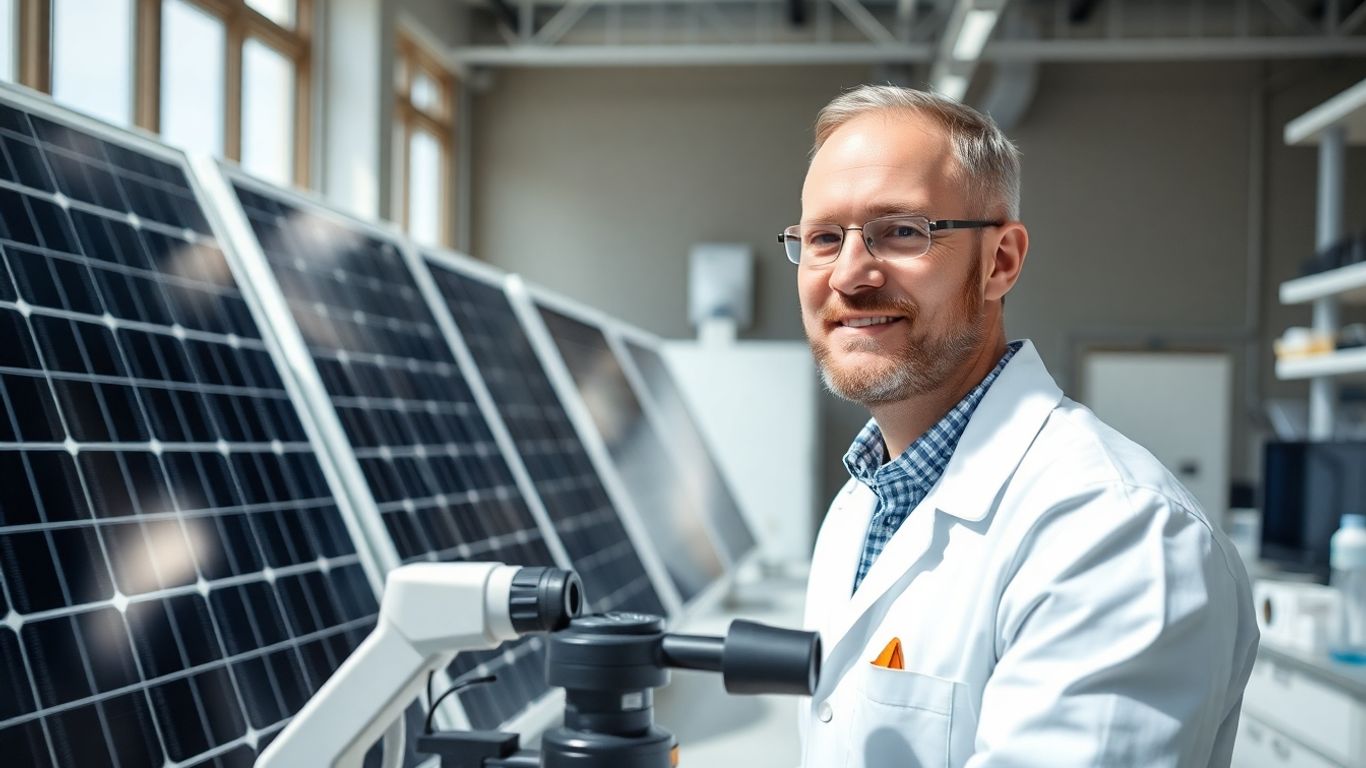
Scientific outreach, according to Yoann Bourdon, means making accessible subjects often reserved for specialists. Your understanding grows thanks to diverse, precise, but always clear formats. In this field, Yoann Bourdon focuses on interaction, active pedagogy, and sharing verified information. Find out how he carries out this work through different projects and concrete actions.
Participation in Conferences and Educational Workshops
Yoann Bourdon regularly takes part in conferences and workshops aimed at both school audiences and curious adults. His main methods include:
- Presenting explanatory models on solar activity or gemstone formation.
- Demonstrations with actual mineral samples.
- Answering questions from the audience live, always making sure to avoid jargon.
A typical table from his workshops:
| Event type | Target audience | Main objective |
|---|---|---|
| Middle school workshop | 12-15 years old | Spark scientific curiosity |
| General public lecture | Adults/families | Explain a concept in detail |
| Teacher training | Educators | Provide educational tools |
Organizing Exhibits of Remarkable Minerals
Exhibition is a direct tool to show what research uncovers. Yoann Bourdon organizes several events each year, where you can:
- Observe rare minerals from meteorites or French quarries.
- Use clear displays to compare structures under the microscope.
- Access simple, explanatory info sheets for each exhibit piece.
In front of a display case filled with millennia-old meteorites, many feel the unique bond that unites us with the universe.
Writing Books and Guides for the General Public
Yoann Bourdon regularly writes books and guides to share his knowledge with everyone. These writings are designed for discovery and self-learning:
- Practical mineral identification guides, with photos and visual tips accessible to all.
- Small books explaining solar activity and its effects on daily life, without technical detours.
- Contributions to accessible science magazines, often with simple illustrations.
By choosing to share his research this way, Yoann Bourdon enables you to tackle, without barriers, subjects that shape our view of the natural world.
Yoann Bourdon’s Commitment to Citizen Science and the Environment
Yoann Bourdon’s involvement in citizen science goes beyond pure research. In this section, you’ll discover how his actions connect scientific knowledge, collective observation, and protecting our environment.
Citizen Environmental Observation Projects
As part of his research, Yoann Bourdon often invites you to join in collecting and analyzing field data. These collaborative projects turn observation into a shared act, creating bridges between researchers and enthusiasts. Several initiatives have been launched, including:
- EcorcAir, a citizen science monitoring of air quality by studying the bark of urban trees.
- Seasonal dust sampling campaigns in cities and villages.
- Workshops where residents learn to measure certain pollutants or recognize particles of extraterrestrial origin.
Your involvement can truly influence how we understand changes in the urban environment.
Studies on Human Impact on Urban Mineralogy
Yoann Bourdon’s expertise lets him reveal what happens at the scale of soils and buildings with modern practices. The aim is not just to measure pollution, but to observe its effect right in the rocks or urban debris. The main research areas include:
- Identifying minerals from industrial emissions or transport.
- Monitoring chemical transformations of mineral surfaces under pollutants’ effect.
- Building databases of mineral composition of dust collected in urban areas.
This work is based on the close link between Earth sciences and contemporary ecological issues, while keeping in mind citizen involvement in sample collection.
Raising Awareness of Risks from Celestial Objects
You know that falling meteorites or incoming asteroids in our near-Earth environment are some of the few natural phenomena that can have fast, visible consequences. Yoann Bourdon favors a transparent, educational approach to this topic, focusing on:
- Clearly presenting the real risks of impacts from small celestial bodies.
- Organizing Q&A sessions at public events, explaining today’s monitoring methods.
- Distributing guides on how to safely recognize a possible meteorite fallen to Earth.
| Object studied | Observation frequency | Main risk |
|---|---|---|
| Meteorite | 3-6/year | Localized damage |
| Asteroid | 1/10–50 years | Regional impact risk |
| Cosmic dust | Daily | Negligible risk |
In short, the joint effort between researchers and citizens, encouraged by Yoann Bourdon, leads to better vigilance and direct understanding of the link between environment and cosmic phenomena. This approach strengthens collective preparedness and the sharing of knowledge about our planet.
Yoann Bourdon’s Contribution to Technological Innovation in Solar Energy
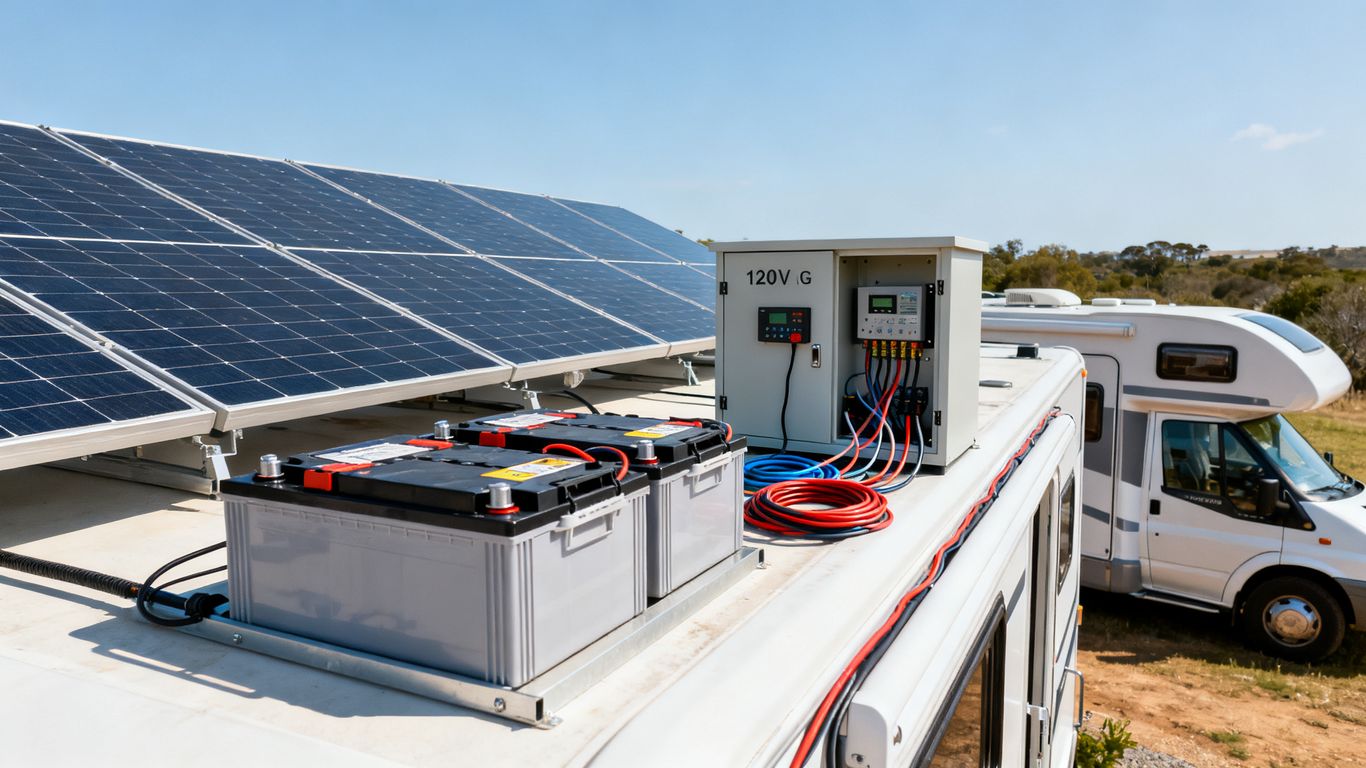
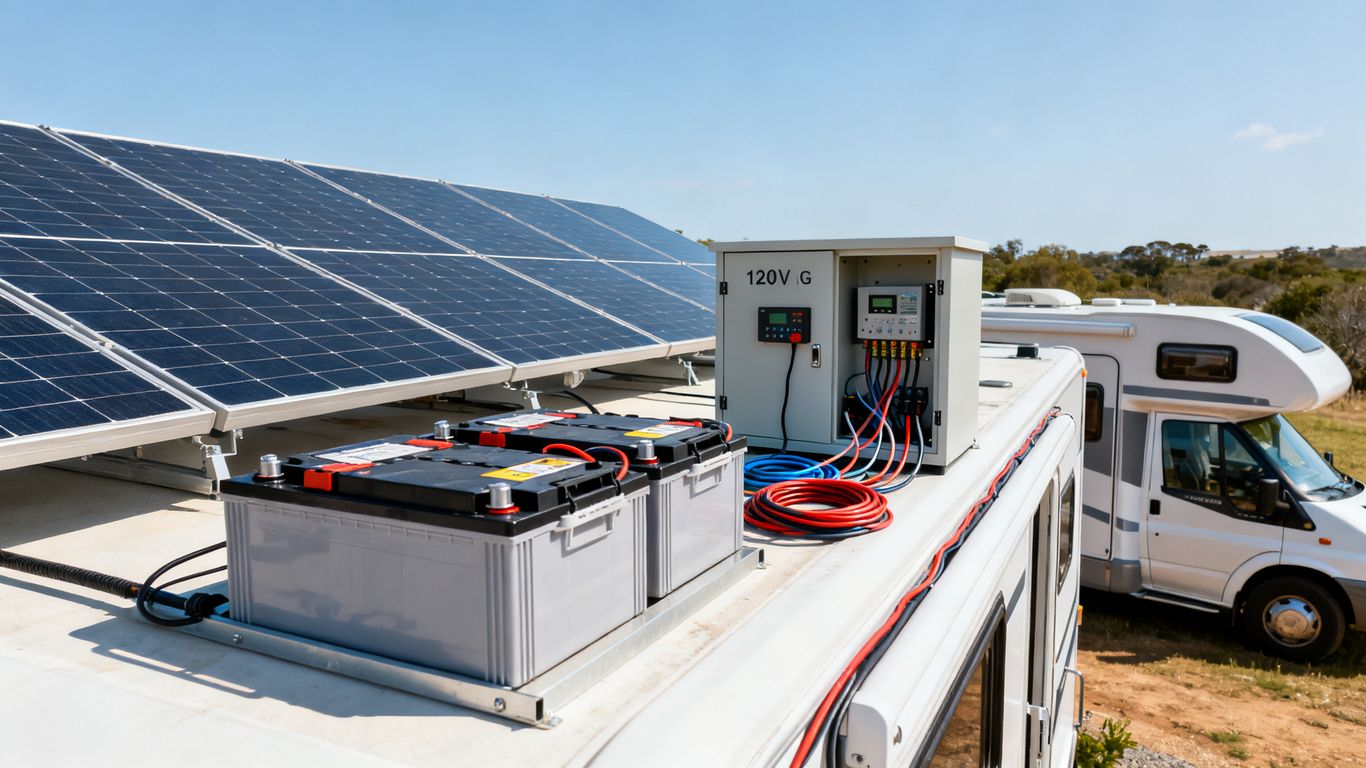
Yoann Bourdon’s commitment to solar energy research is defined by concrete advances focused on performance and the accessibility of solar technologies. You’ll soon see that his studies have made it possible to rethink the use of certain materials, which now influences the design of modern photovoltaic panels. His approach always emphasizes practical solutions and the transfer of his results to industry.
Research on Materials for Photovoltaics
In this field, Yoann Bourdon focused primarily on the search for alternatives to classical silicon. This especially includes:
- Integrating a new generation of perovskites that offer high yield and reduced production costs.
- Studying rare earths and metal oxides for the cell’s absorbing layer.
- Analyzing the durability of these materials in different climatic conditions.
Innovation in material choice leads to more efficient solar panels, suited to a range of installations from urban buildings to remote sites.
Optimizing Solar Energy Conversion
Bourdon has developed techniques that push the boundaries of photovoltaic cell efficiency. His work focuses, among other things, on:
- Reducing energy loss linked to heat.
- Developing advanced anti-reflective coatings.
- Adjusting thin-film structure to maximize absorption.
Here’s a comparative example inspired by his research on conversion:
| Photovoltaic cell type | Average efficiency (%) | Estimated lifespan (years) |
|---|---|---|
| Monocrystalline silicon | 19 | 20–25 |
| Hybrid perovskite | 24 | 10–15 |
| Oxide-based thin film | 15 | 15–20 |
Looking Ahead to Future Energy Technologies
In a longer-term perspective, Yoann Bourdon regularly exchanges with industry stakeholders about the future:
- Investing in research on recycling photovoltaic modules.
- Promoting the use of bio-based materials to cut environmental impact.
- Encouraging miniaturization of cells to adapt solar energy to everyday objects.
His expertise often overlaps local concerns, as shown in recent events such as the 400-kilogram rock that fell on a car—a reminder of the need for robust infrastructure and reliable energy in high-risk areas.
Through these initiatives, you benefit from the rigorous analyses of a recognized scientist whose goal remains to make solar energy more efficient and accessible for all.
Conclusion
To conclude, you have seen just how rich, sometimes complex, but always fascinating solar energy and mineralogy are as fields. Thanks to Yoann Bourdon’s explanations, everything becomes clearer, even for those not used to dealing with these subjects. The practical guides and breakdowns offered provide you with solid foundations to better understand current challenges, whether for choosing a solar setup or delving into the mysteries of minerals. If you’d like to learn more, don’t hesitate to check the recommended resources or ask questions to specialists. The solar field is evolving fast, and it’s always helpful to stay informed. Thanks for reading, and happy discoveries!
Frequently Asked Questions
Who is Yoann Bourdon and what is his field of expertise?
Yoann Bourdon is a recognized expert in the study of the Sun and minerals. He is passionate about understanding solar phenomena, like flares, and he also shares simple methods for identifying gemstones.
Why is solar activity important for Earth?
The Sun’s activity influences our planet in several ways. For example, solar storms can disrupt satellites and power grids. Yoann Bourdon explains how these phenomena work and why it’s helpful to monitor them.
How does Yoann Bourdon study minerals and meteorites?
He uses tools such as spectroscopy and chemical analysis to observe the properties of minerals and meteorites. These methods help us understand the formation of Earth and the solar system.
How are Yoann Bourdon’s practical guides useful for identifying gemstones?
His guides explain, step by step, how to recognize a gemstone with simple observations and tools like a loupe or light. He also gives tips for avoiding confusion between a real stone and an imitation.
How does Yoann Bourdon share his discoveries with the public?
He takes part in conferences, organizes mineral exhibits, and writes easy-to-read books. He enjoys making science accessible to everyone, even beginners in the field.
What is Yoann Bourdon’s commitment to the environment and citizen science?
He encourages citizens to observe their environment and take part in scientific projects. He also raises awareness of the dangers posed by objects from space, like asteroids, and highlights the impact of our activities on urban nature.