At a time when electricity bills are rising and we are all looking to be a little more self-sufficient, ‘plug and play’ solar panels seem like an interesting solution. The idea is to be able to produce your own electricity simply by plugging a kit into an outlet. No need to be a DIY expert or do major work. But before you dive in, there are a few points to understand. Let’s look together at what you need to know to make the right choice.
What to know before buying a plug and play solar panel review
- Understand how it works: These kits convert sunlight into electricity using a micro-inverter that directly feeds the current into your home. It’s a simple way to start producing your own energy.
- Choose the right kit: You need to consider the power needed for your requirements. Kits come in different sizes, from small ones for charging devices to larger ones to help power your home. Also, think about the type of panel for better efficiency.
- Easy installation and maintenance: The connection is supposed to be quick, often to an existing outlet. Maintenance is generally limited to occasional cleaning. This is a strong point for those who want a hassle-free solution.
- Advantages and limitations: The main advantage is simplicity and potential savings. However, there are regulatory and technical constraints to be aware of, and it’s not always as efficient as professional installation.
- Financial aspects and returns: The purchase cost is more affordable than a large installation, with a return on investment that depends on your consumption. User reviews often highlight ease of use, but it’s good to read feedback to identify points of caution.
Understanding how a plug and play solar panel works
Considering installing a plug and play solar panel? It’s a great idea to start producing your own green electricity without complications. But before you jump in, it’s good to know how these small systems work. It’s not magic, just clever technology designed to simplify your life.
Principle of solar energy conversion
The heart of your plug and play solar panel is its ability to convert sunlight into usable electricity. Photovoltaic panels are made up of cells that, when struck by sunlight, release electrons. This movement of electrons creates a direct current. It’s a bit like a small miniature power plant that activates as soon as the sun shines.
The role of the micro-inverter
The electricity produced by solar cells is direct current, but your home runs on alternating current. This is where the micro-inverter comes in. This device, usually attached under the panel, has a very specific mission: to convert this direct current into alternating current compatible with your home’s electrical system. It is essential for the electricity produced to be directly consumed by your appliances. Without it, solar energy would remain unusable for your home.
Direct injection into the home grid
Once the micro-inverter has done its job, the electricity produced is ready to be used. The plug and play system is designed to inject this energy directly into your home electrical grid. This means that as soon as the sun shines and your panel produces electricity, it is first consumed by the appliances running in your home (refrigerator, television, lights…). Only if you produce more electricity than you consume is the surplus potentially fed back into the public grid, according to local regulations. It is this direct injection that allows you to immediately reduce your electricity bill, as you draw less energy from the traditional distribution network.
The main advantage of these kits lies in their simplicity. They are designed to be plugged into a standard electrical outlet, without requiring complex installation work or the intervention of a qualified professional. This makes them accessible to a wide audience eager to take a first step towards energy self-consumption.
Choosing the right plug and play solar panel for your needs
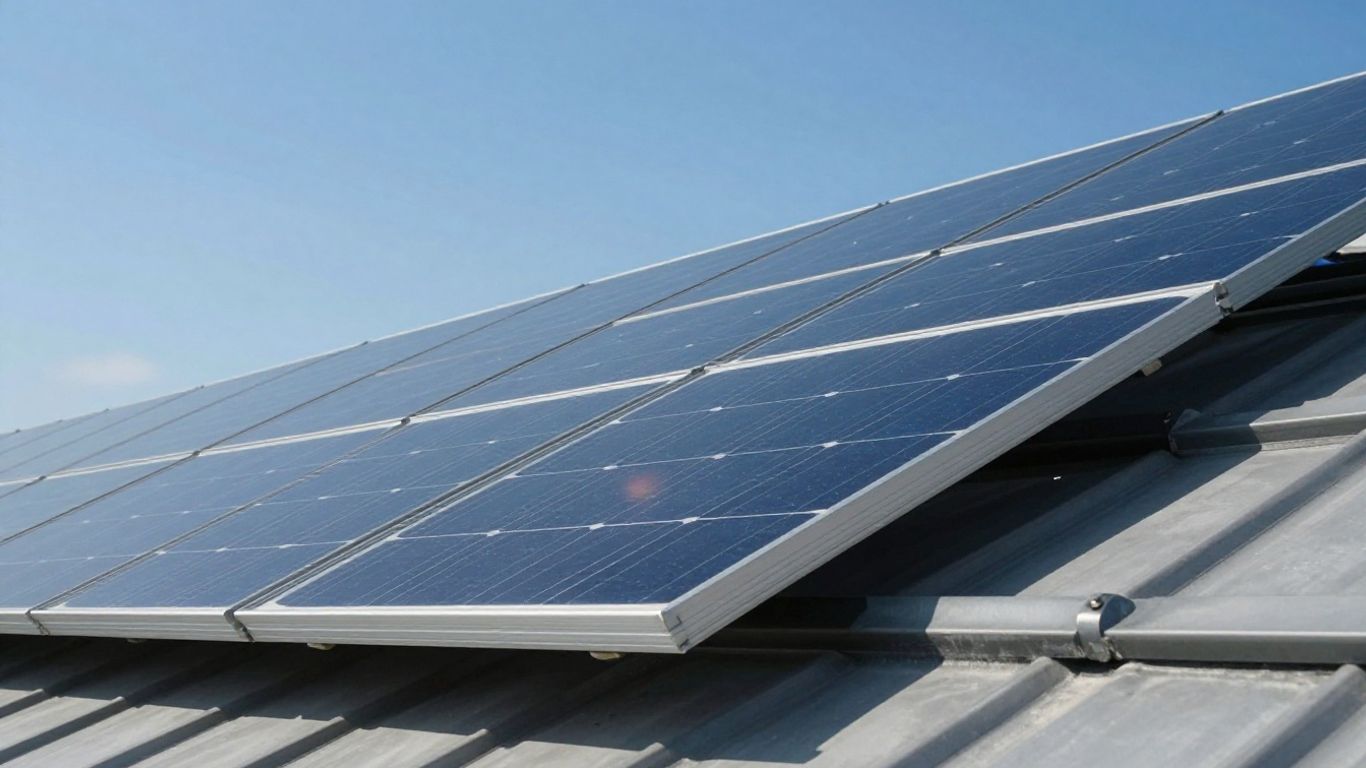
To choose your plug and play solar panel wisely, you first need to look closely at what you actually consume. It’s not just about raw power, but rather about how you use electricity in your home. Think about all the appliances you use at the same time, especially during peak hours. This is what will determine the power you need.
Assessing the necessary power
It is important to assess your electricity consumption. Take a piece of paper and list the appliances you use most often and their respective power consumption. For example, an internet router consumes about 10-15W, a refrigerator can reach 150W when running, and a laptop around 50W. If you use several of these appliances simultaneously, the energy demand increases.
- Internet router: 10-15 W
- Refrigerator: 100-200 W (when running)
- Laptop: 50-80 W
- LED lighting: 5-10 W per bulb
The goal is not to completely replace your electricity provider, but to reduce your bill by producing a portion of your consumption. A plug and play kit will not make your home completely self-sufficient, but it can cover a significant part of your needs, especially for low-consumption appliances or those used during the day.
Types of solar panels available
There are several types of plug and play solar panels, which differ in their power and format. You will find smaller kits, often portable, ideal for charging devices outdoors or for a balcony. These models generally have a power output ranging from 400 to 500 W.
For slightly higher needs, such as powering an internet router, a television, or small household appliances, intermediate kits from 600 to 1,200 W are more suitable. They can often be supplemented with batteries to store the energy produced.
Finally, for those looking to cover a more significant portion of their consumption, high-capacity systems (1,600 to 3,000 W) are available. These are often designed for households with higher electricity consumption and can be paired with portable power stations for better energy management.
Selection criteria for optimal performance
To choose a plug and play solar panel that will be both reliable and cost-effective over time, several points need to be considered. Power is a key element, of course, but you also need to look at the panel’s efficiency. This is measured by its ability to convert sunlight into electricity, even in less ideal conditions like a slightly cloudy sky.
The quality of the materials used for the panel and micro-inverter is also a guarantee of durability. A good panel will better withstand the elements and maintain its performance for longer.
Here are some criteria not to overlook:
- Peak power (Wp): Indicates the maximum power the panel can produce under ideal conditions.
- Panel efficiency: Expressed as a percentage, it shows the effectiveness of solar conversion.
- Panel technology: Monocrystalline or polycrystalline, each technology has its advantages in terms of performance and cost.
- Warranty: Check the duration of the warranty on the product and the panel’s performance.
Simplified installation and maintenance
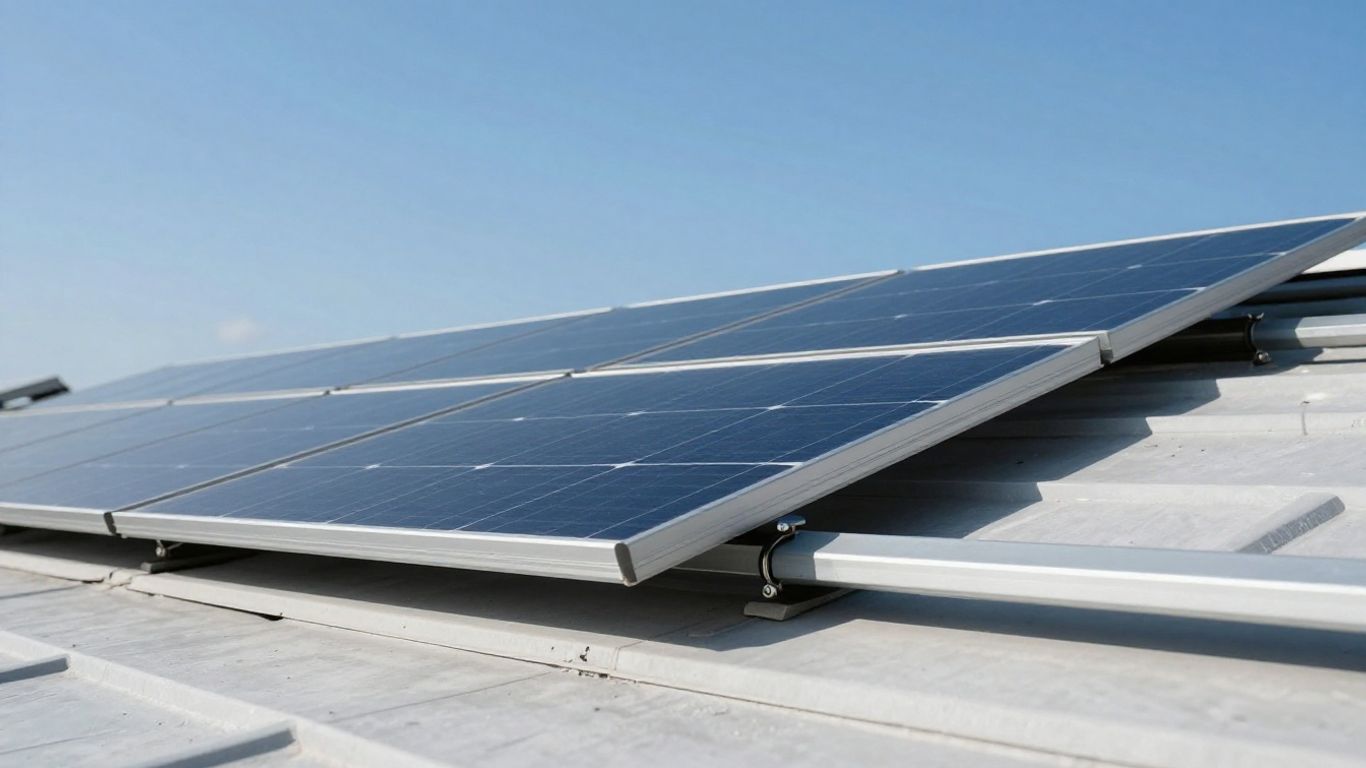
One of the major attractions of plug and play solar panels is their ease of installation and maintenance. These systems are designed to be accessible to as many people as possible, even without extensive technical knowledge.
Quick connection procedure
The physical installation of your solar kit is designed to be as simple as possible. The MC4 cables connecting the panels to the micro-inverter are often pre-assembled. For kits with multiple panels, you may need to connect the second panel to the first yourself, an operation that requires no special tools. Simply plug the connectors together until you hear a ‘click’ confirming a proper connection. The connector design prevents any connection errors. Then, you need to connect the ground wire to the micro-inverter, a step done by pinching the stripped part of the wire onto a designated clip. Once the plug is connected, your installation begins to produce electricity. You can check its proper functioning via a green LED on the micro-inverter, although a wattmeter can provide a clearer indication of real-time production, especially in full sunlight.
Suitable mounting and supports
For ground installation, stability is paramount. Plug and play kits generally require ballast to withstand the elements. This is often done using concrete slabs, for example, six 15 kg slabs per panel. These slabs must be purchased separately from hardware stores. It is important to position them correctly to avoid damaging the cables. The entire physical setup, if done carefully, can be completed in about 40 minutes.
The simplicity of connection and the design intended for novice users mean that the promise of a ‘for dummies’ installation is generally met. Software configuration, however, may require a bit more patience.
Routine maintenance and cleaning
Maintenance of these panels is minimal. On a daily basis, simple monitoring via the dedicated app is usually sufficient. Rain takes care of most of the cleaning. From time to time, a wipe with a damp cloth can be useful, especially on the edges of the panels where dust can accumulate. If your panels are installed on the ground, this cleaning operation is even easier. Modularity is also a strong point: it is possible to add panels later, up to four per outlet, although it is often more sensible to determine the appropriate power from the outset to optimize costs.
Advantages and limitations of plug and play solar kits
Benefits in terms of savings and autonomy
Plug and play solar kits offer a direct approach to reducing your electricity bill. By producing your own energy, you decrease your dependence on traditional suppliers. It’s a concrete way to save money, especially if you consume the electricity produced during the day. Energy independence, even partial, thus becomes more accessible. You actively participate in the energy transition while seeing your bills decrease. It’s a solution that appeals to more and more households concerned about their budget and environmental impact.
Regulatory and technical constraints
It is important to know the rules. In France, if the power of your installation remains below a certain threshold (often 800 Wp for grid injection), administrative procedures are simplified. However, you should always check the agreements with Enedis, as rules can change. On the technical side, safety is paramount. Connecting to a standard electrical outlet must be done with care. It is often recommended to have a dedicated circuit breaker to avoid any risk of overload or overheating. Also, remember that the power of a plug and play kit is limited; it cannot power all your appliances, especially the most energy-intensive ones like heating or water heaters.
Comparison with professional installation
Choosing a plug and play kit means opting for simplicity and a lower initial cost compared to a complete photovoltaic installation carried out by professionals. The installation is quick, does not require major work, and you can do it yourself. On the other hand, professional installation generally offers higher power, better architectural integration, and the possibility of selling surplus electricity produced. Plug and play kits are perfect for getting started or for modest needs, while a larger installation will be more suitable if you aim for greater energy independence.
Here is a comparison table to visualize better:
| Characteristic | Plug and Play Kit | Professional Installation |
|---|---|---|
| Initial Cost | More affordable | Higher |
| Installation Complexity | Very simple, DIY | Requires professionals |
| Power | Limited (often < 800 Wp) | Variable, often higher |
| Administrative Procedures | Simplified | More complex |
| Autonomy | Partial, for targeted needs | Potentially more complete |
| Sale of surplus | Generally not possible | Possible |
| Mobility | Possible (depending on model) | Fixed |
Financial aspects and warranties
Acquisition cost and return on investment
Purchasing a plug and play solar kit represents an initial investment. Prices vary considerably depending on the panel’s power, brand, and included components. It is possible to find entry-level kits for a few hundred euros, while more powerful systems or those from recognized brands can cost more. It is important to consider the total cost, including any mounting accessories or installation fees if you are not doing it yourself.
The return on investment depends on several factors: the cost of your current electricity, the amount of energy your panel will produce, and available financial aid. Generally, a plug and play kit aims to reduce your electricity bill by covering a portion of your consumption, particularly the base load (energy consumed by standby devices). For basic kits, payback can be between 3 and 5 years, depending on your location and the price per kWh. Remember that since October 1, 2025, a reduced VAT rate of 5.5% applies to photovoltaic installations of up to 9 kWp, which can reduce the acquisition cost [31d4].
Manufacturer warranties and lifespan
Manufacturers generally offer extended commercial warranties for their solar panels and micro-inverters. It is not uncommon to see warranties of 10, 12, or even 25 years on panel performance, and similar warranties on the micro-inverter. However, it is important to be vigilant: some warranties may be shorter, for example, 12 years for the panel itself, even if the manufacturer is reputable. Ensure that the invoice clearly states the serial numbers of the equipment to be able to claim the warranty if needed. The lifespan of a solar panel is generally estimated at 25-30 years, or even more, with a gradual and minimal loss of performance over time.
Comparison of market offers
The plug and play solar kit market is increasingly competitive. You will find offers on online platforms, from specialized distributors, and even in some large retail chains. It is advisable to compare not only the price but also the quality of the components, the proposed power, and especially the after-sales service. Some companies stand out for their support with administrative procedures, often complex, with the town hall or Enedis. Others focus on the quality of their components, sometimes of French origin, or on aesthetic « full black » designs.
Here are some points to consider when comparing:
- Panel power: Corresponds to the amount of energy it can produce.
- Micro-inverter type: Its performance and compatibility.
- Warranties: Duration and scope of coverage.
- Customer service: Availability and assistance with procedures.
- Origin of components: Prefer certified and reliable products.
It is essential not to focus solely on the lowest price. A slightly more expensive product with better technical support and solid warranties may prove more advantageous in the long run. Reliability and durability are key aspects for an energy investment.
User experiences and reviews
General user satisfaction
User feedback on plug and play solar panels is generally positive. Many users express satisfaction with the ease of installation and the reduction observed in their electricity bills. The promise of greener energy and a certain degree of autonomy seems to be met for many. Review platforms and dedicated forums are full of testimonials highlighting the ease of implementation, often completed in less than an hour. This accessibility particularly appeals to those who want to start self-consuming without committing to complex work.
Testimonials on ease of use
What stands out most often is how easily these kits can be integrated into daily life. The idea of being able to plug in a panel and start producing your own electricity is particularly attractive. Mobile apps provided with some kits allow you to monitor production in real-time, adding an interactive and rewarding dimension. One user mentioned, for example: « I installed my panel on the balcony and, in less time than it takes to say it, I was already seeing my consumption decrease on the app. It’s truly amazing. »
Points of caution raised by consumers
Despite this general satisfaction, some points deserve your attention. The power of plug and play kits remains limited. They are ideal for covering the « base load » (energy consumed by standby devices like the refrigerator or internet router), but will not be sufficient to power energy-hungry appliances. It is also important to note that the connection must be made to a dedicated outlet, ideally protected by a specific circuit breaker, and not to a power strip. Electrical safety is paramount, even with systems designed to be simple.
Here are some recommendations often shared by experienced users:
- Check the compatibility of your existing electrical system.
- Prefer a direct connection to a secure wall outlet.
- Inquire about any local administrative procedures, even for a small kit.
- Clearly understand the power of your kit and what it can realistically cover.
Self-consumption with a plug and play panel is an excellent first step to reduce your carbon footprint and your energy expenses. However, it is essential to remain realistic about production and to follow safety instructions for a serene and effective experience.
In summary: your first step towards solar energy
There you have it, we’ve covered what you need to know about plug and play solar panels. It’s a solution that has the merit of making solar energy more accessible, without hassle. If you’re looking to take a first step towards energy independence and see a small difference on your bills, these kits are an interesting option. They are simple to install, and frankly, the idea of producing your own electricity, even in small quantities, is quite motivating. Don’t forget to carefully examine the specifics of each model and ensure everything is in order at your home before you start. It’s a good beginning, but keep in mind that for larger production, other solutions exist.
Frequently Asked Questions
What exactly is a plug and play solar panel?
Imagine a solar panel that plugs in like a lamp! That’s a plug and play panel. You place it, plug it into a normal electrical outlet, and voilà, it starts producing electricity for your home. It’s super simple, no need to be an expert.
Can I really install this myself?
Absolutely! The main idea behind these panels is precisely their ease of use. You don’t need to do any major work. You just need to fix it securely (on a balcony, wall, or on the ground) and plug it in. It’s really designed so that anyone can do it.
How much electricity can these panels produce?
It depends on the size and power of the panel you choose. A small panel can help power your internet router or your refrigerator. If you install several, you can reduce a portion of your electricity bill. It’s a good way to start saving money.
Do I need to declare anything to the authorities?
Yes, you generally need to make a small declaration to your local town hall or the electricity grid operator (like Enedis in France). It’s often a simple procedure that allows you to report that you are producing your own electricity. Sellers usually explain how to do it.
What happens if the sun doesn’t shine?
When there’s no sun, the panel doesn’t produce electricity. In that case, your home uses electricity from the grid, as usual. These panels are designed to supplement your power supply, not to make you completely independent of the grid, especially at night or in bad weather.
Is it financially worthwhile?
It’s a good investment if you’re looking to reduce your electricity bills gradually. The initial cost is lower than a large installation. You start saving money as soon as the panel is plugged in. The panels have a long lifespan, so in the long run, it’s profitable.