Are you interested in gel batteries for your energy storage project? It’s a great idea to look into their pros and cons before making your choice. These batteries, while robust, have their specificities that are good to know. This article guides you in understanding if a gel battery is the ideal solution for your needs, covering its lifespan, charging, and cost.
Key Takeaways
- Gel batteries offer a long lifespan and good cycle resistance, making them a durable choice for fixed energy storage.
- Their sealed, maintenance-free design ensures increased reliability and safety, with simpler installation compared to traditional batteries.
- Be aware that gel batteries are sensitive to charging conditions and temperature; overcharging or extreme temperatures can reduce their longevity.
- For occasional high-power needs, other technologies might be more performant, as gel batteries are better suited for regular, moderate discharges.
- Although their initial cost is higher than some alternatives, their longevity and reliability can offer a good return on investment over time.
Advantages of Gel Batteries for Energy Storage
Extended Lifespan and Cycle Resistance
Gel batteries are known for their impressive longevity. They can often last up to 15 years, which is considerably longer than many other battery technologies. This durability is partly due to their ability to withstand a large number of charge and discharge cycles. We generally talk about 1,350 to 1,550 cycles, while retaining a good portion of their initial capacity, often around 60%. This performance is particularly interesting for solar energy storage, where the battery is used daily. Furthermore, their internal design makes them more resistant to vibrations and shocks, a major asset if you plan to use them in less stable environments, such as recreational vehicles or installations subject to movement. It’s a solution that ensures reliable power over the long term.
Increased Reliability and Safety
The very design of a gel battery greatly contributes to its reliability and safety. Unlike traditional lead-acid batteries, the electrolyte here is in gel form. This means there is no risk of liquid leakage, even if the battery is tilted or handled roughly. This feature makes installation cleaner and safer, especially in living spaces or homes. The risk of corrosive gas release is also minimized during normal use. You can therefore install your energy storage system with complete peace of mind, knowing you have opted for a technology that minimizes potential dangers. This is a significant point when considering the safety of your home or vehicle.
Maintenance-Free and Easy Installation
One of the major attractions of gel batteries is their near-zero maintenance requirement. They are completely sealed, saving you the tedious task of checking electrolyte levels or adding distilled water, as is the case with flooded batteries. This lack of maintenance greatly simplifies their daily use. Additionally, their installation flexibility is a definite advantage. Since the gel prevents any spillage, you can place them in various positions, including on their side, to optimize the available space in your installation. Whether for a residential solar installation or for a vehicle, this ease of installation and management saves you time and energy.
Disadvantages of Gel Batteries: Limitations and Precautions
While gel batteries offer many advantages, it’s important to be aware of their limitations for optimal use. They require particular attention regarding their charging and operating environment.
Sensitivity to Charging Conditions and Temperature
Gel batteries are known for their reliability, but they have a notable sensitivity to charging conditions and ambient temperatures. Inadequate charging can quickly damage the internal structure of the gel, significantly reducing their lifespan. It is therefore essential to use a charge controller specifically designed for this type of technology, capable of maintaining voltages within a precise range. For example, for a 12V gel battery, it is advisable not to exceed 14.2V during the absorption phase. Exceeding this threshold can lead to the formation of gas bubbles in the electrolyte, a sign of irreversible degradation.
Furthermore, gel batteries do not tolerate extreme temperatures well. Below 0°C, their performance drops drastically, limiting their ability to supply energy. Conversely, prolonged exposure to temperatures above 30°C can accelerate their aging. Therefore, care must be taken to install them in a temperate environment, away from direct sunlight or intense heat sources.
Managing charging and temperature is key to preserving the longevity of your gel battery. A preventive approach will save you a lot of trouble and premature replacement costs.
Lower Performance During Power Peaks
Unlike other technologies, gel batteries have slightly higher internal resistance. This means they are less capable of delivering very high currents for short periods. If your installation requires frequent engine starts or powering energy-hungry devices during peak consumption, a gel battery might show its limitations. In such cases, an AGM battery could prove to be more responsive and better suited. Gel batteries excel in slow, regular discharges, typical of autonomous solar systems, but they deplete more quickly when faced with sudden and intense power demands.
Higher Initial Cost Compared to Alternatives
It is undeniable that the purchase cost of a gel battery is generally higher than that of traditional lead-acid batteries, such as flooded batteries. This additional cost is due to the electrolyte gelling technology and the materials used to ensure their sealing and maintenance-free nature. Although their extended lifespan and reliability can offset this investment over the long term, the initial budget may be a barrier for some users. It is therefore important to carefully evaluate the potential return on investment, taking into account the frequency of use and the specific needs of your installation, before making your choice. Advances in lithium batteries have also lowered their prices, making the comparison even more relevant for electric vehicles.
Here is a simplified comparison table of the limitations:
| Characteristic | Gel Battery | AGM Battery | Flooded Battery |
|---|---|---|---|
| Charge Sensitivity | High | Medium | Low |
| Temperature Sensitivity | Medium | Medium | Medium |
| Peak Power Performance | Limited | Good | Good |
| Initial Cost | High | Medium | Low |
Comparison of Gel Battery Lifespan
Cycle Life and Longevity Compared to Other Technologies
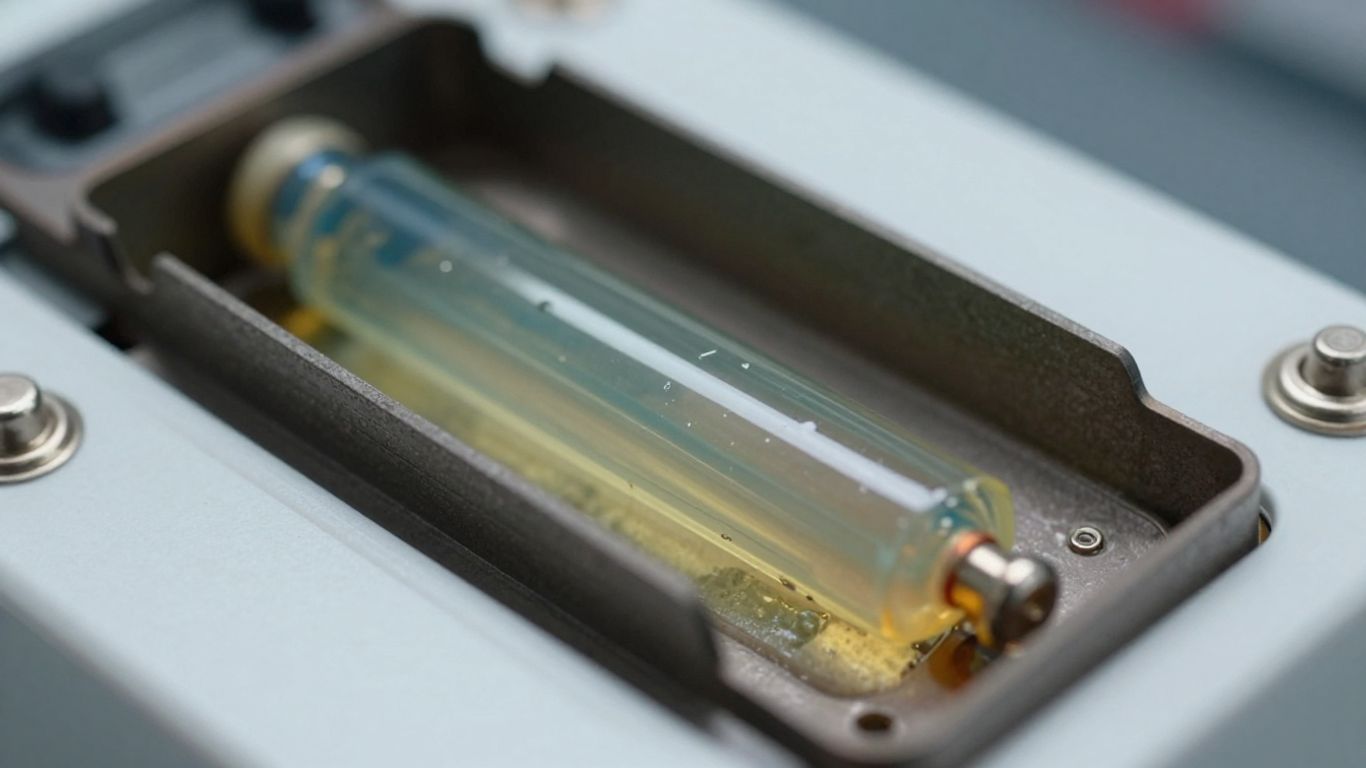
When examining the lifespan of a gel battery, it’s useful to compare it to other energy storage technologies. Gel batteries, which are a form of sealed lead-acid battery, generally offer respectable longevity. They can withstand a significant number of charge and discharge cycles, often between 1,000 and 2,500 cycles, depending on the depth of these discharges. This is a good figure, especially when compared to traditional flooded lead-acid batteries. However, if you look at lithium batteries, such as LiFePO₄ batteries, you’ll find that the latter can offer an even higher number of cycles, sometimes up to 6,000 cycles or more. The calendar life of a gel battery can extend to 5-10 years, or even more under ideal conditions, while some lithium batteries can reach 15 years or more. It’s therefore important to weigh your needs: a more economical solution at purchase, like a gel battery, might prove more expensive in the very long term if your cycle requirements are very high.
Factors Influencing Gel Battery Longevity
The advertised lifespan for a gel battery is an indication, but your actual usage will have a major impact. Several factors can influence your battery’s longevity:
- Depth of Discharge (DoD): Discharging a gel battery too deeply (below 50% of its capacity) significantly reduces its number of life cycles. It’s best to keep it charged as much as possible.
- Operating Temperature: Extreme temperatures, whether too hot or too cold, can damage the battery and reduce its lifespan. A stable ambient temperature is ideal.
- Charging Quality: Using a suitable charge controller and respecting the recommended charging voltages is absolutely vital. Overcharging, even slightly and repeatedly, can cause irreversible damage to the gelled electrolyte.
- Vibrations and Shocks: Although more resistant than conventional lead-acid batteries, gel batteries do not appreciate constant jolts. A stable installation is therefore recommended.
A gel battery is a bit like a reliable old car: it does the job, it’s robust, but it needs to be treated with care to last a long time. Ignoring its needs risks premature breakdown.
In summary, to maximize the lifespan of your gel battery, good charge management and careful attention to usage conditions are paramount. It’s an investment that, well-maintained, can serve you faithfully for many years.
Optimizing Charging for Gel Batteries
To get the most out of your gel batteries’ lifespan and performance, it’s really important to pay attention to how you charge them. It’s not as simple as plugging in any charger; there are rules to follow to avoid damaging them.
Importance of a Suitable Charge Controller
Choosing the right charge controller is the first step to optimal charging. Gel batteries are sensitive to overvoltage. A poorly adjusted charge controller can quickly cause irreversible damage. You need a device capable of precisely managing the different charging phases, especially the absorption and float phases. MPPT (Maximum Power Point Tracking) controllers are often recommended for solar systems because they optimize energy production and adapt well to the charging needs of gel batteries. A suitable charge controller is key to preserving the health of your gel battery.
Recommended Charging Voltages and Risks of Overcharging
Each gel battery has specific specifications regarding charging voltages. For a 12V gel battery, the absorption voltage is generally around 14.1V to 14.2V. Exceeding this threshold, even slightly, can cause overheating and gas formation inside the battery. This phenomenon, called « gassing, » degrades the gel and significantly reduces the battery’s lifespan. Overcharging is one of the most formidable enemies of a gel battery.
It is imperative to consult your battery’s technical data sheet to know the exact voltages recommended by the manufacturer. Overcharging, even occasionally, can have serious and permanent consequences on the battery’s internal structure.
Charging Speed and Impact on Performance
Gel batteries do not like to be charged too quickly. Unlike other technologies, they prefer a slower, more gradual charge. Charging too quickly can lead to heat buildup and poor distribution of the gelled electrolyte, which impairs the battery’s ability to store and deliver energy efficiently. It is therefore preferable to use chargers that allow control of the charging current and opt for longer charging cycles rather than trying to fill the battery as quickly as possible. This helps maintain stable performance over the long term and maximize the number of life cycles [1b2b].
Here is a summary table of good charging practices:
| Charging Phase | Recommended Voltage (approx. for 12V) | Indicative Duration | Objective |
|---|---|---|---|
| Absorption | 14.1V – 14.2V | Variable (up to 80% capacity) | Fill the majority of the capacity |
| Float | 13.5V – 13.8V | Continuous | Maintain charge without overcharging |
| Equalization (rare) | ~15.0V | Short and controlled | Rebalance cells (if necessary) |
Cost Analysis and Amortization of Gel Batteries

Price Positioning Compared to Lithium Batteries
When talking about gel batteries, it’s important to know that they are in an intermediate price range. They are generally more affordable to purchase than lithium-ion batteries, especially LiFePO4 models. For example, a gel battery can cost between €300 and €600 per kWh, while lithium is positioned higher. However, this initial price difference must be put into perspective with the long-term lifespan and performance.
Calculating Long-Term Return on Investment
To truly understand the value of a gel battery, it’s important to look beyond the purchase price. You need to consider its cycle life, meaning the number of charge/discharge cycles it can withstand before losing a significant portion of its capacity. A gel battery can offer between 1000 and 2500 cycles, sometimes more depending on quality and usage. If you compare this to a lithium battery that can go up to 6000 cycles, the cost per cycle becomes a more accurate indicator. A gel battery, while cheaper to buy, could ultimately cost more over time if your storage needs are very high and frequent.
It is essential not to rely solely on the initial cost. A thorough return on investment analysis takes into account longevity, reliability, and performance over the entire period of use.
Cost Per Cycle and Overall Value
To assess the true value of a gel battery, calculate its cost per cycle. Divide the purchase price by the estimated number of life cycles. This will give you a more precise idea of its actual cost of use. For example, a €500 gel battery that lasts 1500 cycles costs about €0.33 per cycle. A €1000 lithium battery that lasts 4000 cycles costs €0.25 per cycle. This shows that, for intensive use, lithium can become more economical despite its higher purchase price. Gel batteries are therefore often an excellent choice for installations where the initial budget is a major constraint, or for less frequent uses, such as in some recreational vehicles.
Here is a simplified comparison table:
| Criterion | Gel Battery | Lithium Battery (LiFePO4) |
|---|---|---|
| Initial Cost | More accessible | More expensive |
| Lifespan | ~1000-2500 cycles | ~3000-6000 cycles |
| Cost Per Cycle | Potentially higher | Potentially lower |
| Ideal Use | Limited budget, moderate use | Intensive use, long term |
You also need to consider maintenance. Gel batteries are maintenance-free, which represents a saving in time and money compared to older flooded lead-acid batteries. This lack of maintenance is a significant advantage that contributes to their overall value.
Applications and Suitable Uses for Gel Batteries
Gel batteries, thanks to their robust design and reliability, are particularly well-suited for a variety of applications where consistent performance and maintenance-free operation are paramount. You will often find them in systems that require a stable energy source over time.
Residential Solar Installations and Autonomy
For homes that rely on solar energy, a gel battery can be an excellent choice. They are designed for repeated charge and discharge cycles, which is perfect for storing solar energy during the day and using it at night. Their ability to withstand deep discharges without major damage ensures good autonomy. Furthermore, their sealed design means you don’t have to worry about maintenance, which is a significant advantage for residential installations.
Recreational Vehicles and Mobile Applications
In motorhomes, boats, or other recreational vehicles, space and safety are often concerns. The sealed nature of gel batteries eliminates the risk of acid leaks, making them safer to install in living or confined spaces. Their resistance to vibrations, common in mobile environments, is another major asset. They can thus provide reliable power for onboard equipment, even when the vehicle is in motion. You can count on them to power your devices during your getaways.
Systems Requiring Maintenance-Free Reliability
Beyond solar and mobile applications, gel batteries are ideal for all systems where access for maintenance is difficult or impossible. Think of uninterruptible power supply (UPS) systems for critical IT equipment, security systems, or even certain medical devices. Their longevity and ability to maintain a stable voltage make them a storage solution you can rely on without regular intervention. Their main advantage lies in the peace of mind they provide.
Here are some key points to consider for these applications:
- Increased Durability: They withstand repeated discharge cycles better than traditional batteries.
- Enhanced Safety: The gelled electrolyte prevents leaks, even when tilted.
- Flexible Installation: Their sealed design allows installation in various positions.
- Low Maintenance: Ideal for hard-to-reach locations.
It is important to note that, while robust, gel batteries require a suitable charger to optimize their lifespan and prevent damage from overcharging or inadequate charging. A well-configured charge controller is therefore essential to get the most out of your investment.
In Summary: A Gel Battery is a Considered Choice
Ultimately, the gel battery presents itself as a solid option for those seeking a reliable and durable energy storage solution, especially if budget is an important factor. It requires careful attention during charging to avoid any damage, and it is not the most performant for high power peaks. However, its longevity and maintenance-free nature make it a wise choice for many installations, particularly solar ones, where stability and regularity are key. Weigh these elements carefully to make the choice best suited to your needs.
Frequently Asked Questions
What is a gel battery and how does it work?
A gel battery is a special type of lead-acid battery. Instead of having a liquid, its ‘juice’ (the electrolyte) is turned into a kind of gel by adding silica. This makes it more stable, less prone to leaks, and more resistant to shocks than conventional batteries.
What is the lifespan of a gel battery and how can I make it last longer?
A gel battery can last quite a long time, often between 10 and 15 years if used properly. To make it last as long as possible, you should avoid discharging it completely too often and, above all, use a suitable charger that doesn’t overcharge it. Also, avoid extreme temperatures, whether too hot or too cold.
Is it true that gel batteries require no maintenance?
Yes, that’s one of their big advantages! Gel batteries are sealed, which means you never need to check the water level or add any. They also don’t release much gas, making them safer to use in enclosed spaces.
Why are gel batteries said to be sensitive to charging?
Gel batteries are a bit delicate when it comes to charging. You need to use a charger that maintains a very specific voltage, generally no more than 14.4 volts. If you charge too strongly or for too long, it can create gas bubbles in the gel and permanently damage the battery, reducing its lifespan.
Can a gel battery deliver a lot of power quickly?
Gel batteries are excellent at providing energy consistently over time, such as powering everyday devices. However, they are less performant if you need a lot of power all at once, for example, to start an engine. In those cases, other types of batteries are more responsive.
What is the price of a gel battery compared to other batteries?
Generally, a gel battery costs a bit more to buy than conventional lead-acid batteries. However, when you consider its long lifespan and the fact that it requires no maintenance, the investment can be very profitable in the long run.